
Transforming Agriculture in Northeast India: NECTAR's Organic Initiative
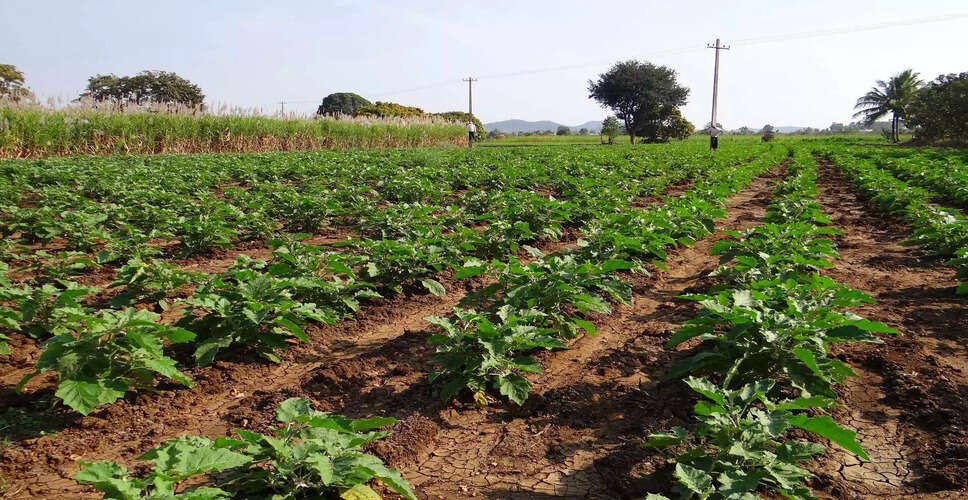
Expansion of Organic Agriculture in Northeast India
GUWAHATI, March 6: The North East Centre for Technology Application and Reach (NECTAR), an autonomous organization under the Department of Science and Technology, Government of India, is launching a significant initiative to promote scientific organic agriculture throughout the Northeast. This project, titled “Promoting Scientific Organic Agriculture in Northeast India,” aims to enhance sustainable farming practices and improve rural livelihoods.
This initiative is part of the PM-DevINE scheme, overseen by the Ministry of Development of the North Eastern Region (DoNER).
Dr. Arun K Sarma, Director General of NECTAR, explained that the three-year project encompasses six key areas and aims to establish 250 organic-certified clusters across the region. The focus is on merging modern scientific techniques with traditional farming methods to boost yields while emphasizing capacity building in organic farming, setting up demonstration farm laboratories, providing certified organic seeds and planting materials, and educating farmers about soil fertility using the rapid Soil Organic Carbon and Soil pH Detection Kit (VASUNDHARA).
NECTAR has commenced the production of these kits at its Shillong facility, with technological assistance from the Bhabha Atomic Research Centre (BARC). As part of the PM-DevINE scheme, 25,000 kits have already been distributed to farmers to enhance soil conditions.
According to Sarma, the kit includes user-friendly components that allow farmers to evaluate soil organic carbon and pH levels in just ten minutes, along with recommendations for bio-inputs to improve soil fertility.
“This initiative not only empowers farmers to become self-reliant but also encourages a significant shift towards adopting scientific agricultural practices,” he noted.
Furthermore, NECTAR is implementing drone-based data management and digital agriculture systems to connect farms directly with markets, thereby supporting livelihoods in underprivileged communities and remote areas.
As part of its core mission, NECTAR is cultivating a new generation of organic farmers. The project aims to develop human resources by training 250 master trainers from six Northeastern states: Assam (88), Meghalaya (57), Arunachal Pradesh (15), Mizoram (20), Nagaland (20), and Tripura (50). Each master trainer will be linked to 100 farmers managing a minimum of 100 acres of land. In Assam alone, 88 master trainers will connect with 8,800 farmers across at least 8,800 acres.
The master trainers will acquire vital skills in organic farming and are expected to lead demonstration farming activities on their own farms within each cluster (100 farmers), utilizing the demonstration farm labs to create a network of trainee farmers nearby. This training model aims to develop and mentor 25,000 trained farmers throughout the region, converting at least 25,000 acres into organic-certified land.
In its pilot program, NECTAR is integrating digital organic agriculture with practical applications by installing 19 Internet of Things (IoT) devices to gather real-time data on climate, environment, and soil conditions. These devices have been set up in the Assam Lemon and Banana Cluster in Chirang district, identified as a priority area for smart agriculture initiatives.
Sarma mentioned that this pilot intervention is supported by a sophisticated Management Information System (MIS), hosted on the NECTAR server, which ensures continuous monitoring and provides a reliable and secure framework for enhancing project outcomes.