
Transformative Knee Surgeries in Punjab Under Chief Minister Health Scheme
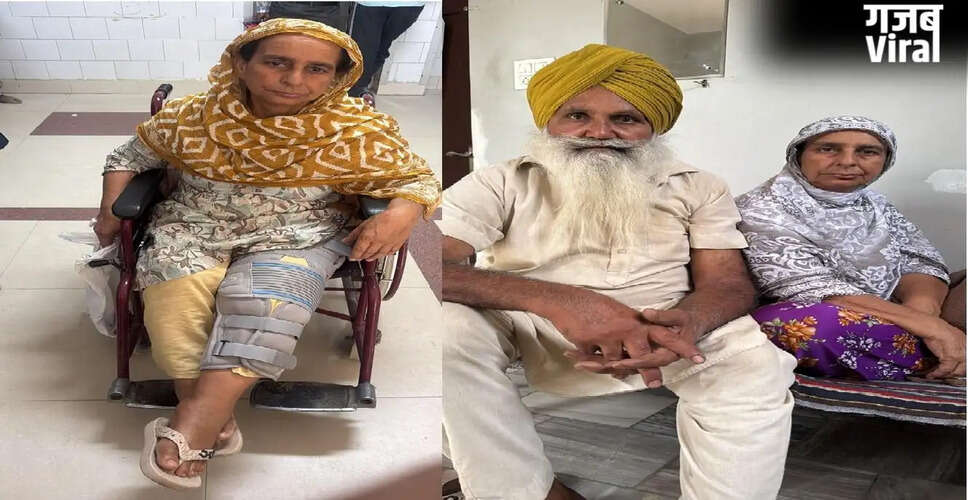

Significant Relief for Patients in Punjab
Chandigarh: For many, walking is a routine activity, but for some, even taking a few steps can feel like a daily battle. In Punjab, this struggle is gradually turning into relief as thousands suffering from knee pain are undergoing life-changing surgeries through the Chief Minister Health Scheme. This initiative is making modern treatments free and widely accessible.
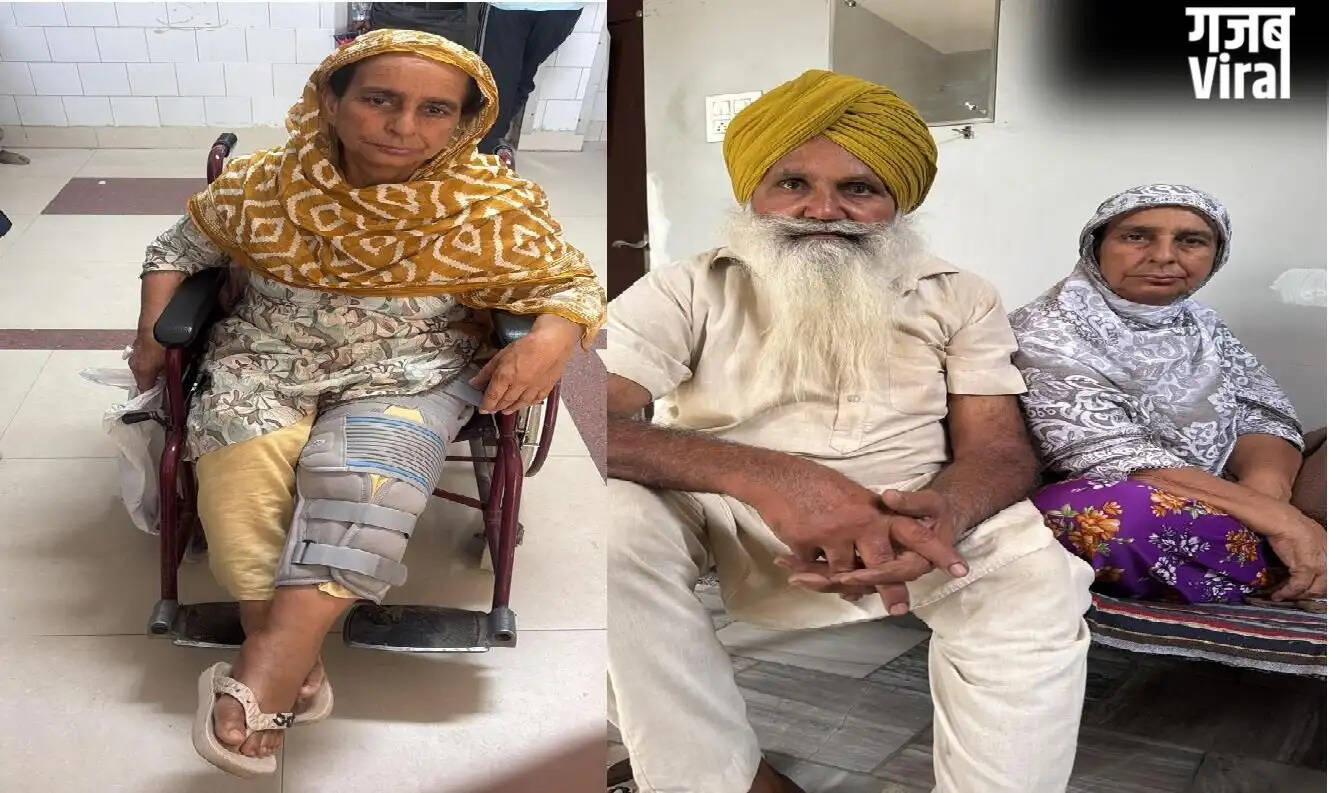
For senior citizen Sukhwinder Kaur, the change has brought immediate relief. She shared, “I had knee pain for two to three years. There were days when I couldn’t walk at all. Now, after the surgery, I am very happy. The health card has given me my life back. I can walk without pain now.”
Sixty-seven-year-old Parmjeet Kaur found walking nearly impossible until recently. Moving from one room to another was painful, and standing for even a few minutes became a challenge. Her life was limited by pain and restricted mobility for nearly a year due to osteoarthritis.
The turning point came when her son, Jaswinder Singh, learned about the scheme through social media. He explained, “I found out about the Chief Minister Health Scheme online. I prepared the documents in a few days. After registering, the surgery was done. The doctors were very supportive, and now my mother is doing much better.”
Today, Parmjeet Kaur is among the thousands who have regained their freedom of movement through free knee replacements. In just three months, approximately 4,600 knee surgeries have been performed under this scheme, reflecting the growing number of patients who previously postponed surgery due to high costs.
Doctors have noted a visible change in hospitals. Dr. Karan Chopra, an orthopedic surgeon at Barnala Civil Hospital, stated, “We are seeing a surge in knee and hip replacement cases. Most patients suffer from osteoarthritis, which damages cartilage and causes stiffness and severe pain.”
He explained that knee replacement surgery involves replacing the damaged joint with metal and plastic components, improving mobility and reducing pain. “Previously, we performed about 80 surgeries a month; now that number has increased to 120 to 130,” he added.
The primary reason for this increase is the affordability and accessibility of treatment. Previously, knee replacement costs ranged from 50,000 to 100,000 rupees, causing many to delay surgery for years. Dr. Chopra noted, “People hesitated due to expenses. Now, with the Aadhar, voter ID, and health card, treatment is entirely cashless. Patients do not have to make any payments.”
Such stories are emerging from across Punjab. In Bathinda, Randhir Singh underwent surgery at AIIMS, while Rajwinder Kaur received treatment at a district hospital in Tarn Taran under the same scheme. Their families expressed that the financial relief enabled them to seek treatment without hesitation. Rajwinder's daughter, Sahajpreet, remarked, “My mother was in a lot of pain and couldn’t do any household work. Thanks to the health card, we didn’t have to worry about expenses. We are grateful to the government for this scheme.”
The changes observed in Punjab are not just about the increase in surgeries but also a shift in mindset regarding pain—where treatment is no longer postponed due to costs, and the freedom to move is no longer a distant dream. In hospitals, the sounds of despair are being replaced by the footsteps of those who can walk again.