
Tragic Loss of Journalists in Gaza Highlights Dangers of Reporting
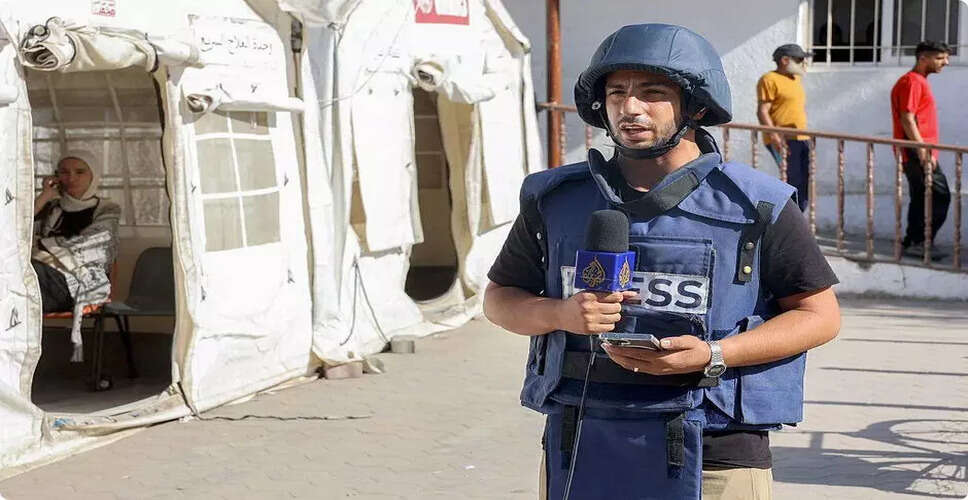
The Perils of Journalism in Conflict Zones
The recent murder of five journalists from Al Jazeera, including renowned reporter Anas al-Sharif, underscores the perilous nature of journalism, especially in war-torn regions like Gaza. This tragic incident also claimed the lives of Al Jazeera correspondent Mohammed Qreiqeh, along with camera operators Ibrahim Zaher, Mohammed Noufal, Moamen Aliwa, and freelance journalist Mohammed al-Khaldi.
Given the severe actions taken by the Benjamin Netanyahu administration in Gaza, it is understandable that they would seek to silence those revealing such atrocities. The Israeli government has barred foreign journalists from entering Gaza, aiming to obscure the brutal realities occurring there. Consequently, the presence of Al Jazeera reporters has become a significant concern for the Israeli military, leading to the targeting of prominent figures like Anas al-Sharif, who is unjustly treated as if he were affiliated with Hamas.
Al Jazeera has condemned the brutal killings of its journalists, stating that these acts occur amidst the devastating impacts of the ongoing Israeli offensive in Gaza, which has resulted in widespread civilian casualties, forced starvation, and the destruction of entire neighborhoods. The network emphasized that the assassination order for Anas al-Sharif and his colleagues represents a desperate effort to silence those who are documenting the looming threat of Gaza's occupation.
The conflict in Gaza has emerged as one of the deadliest for journalists in recent history, with a reported toll of 270 since the onset of hostilities 22 months ago. Research from Brown University’s Costs of War project indicates that more journalists have lost their lives in Gaza than during the US Civil War, both World Wars, the Korean War, the Vietnam War, the conflicts in the former Yugoslavia, and the post-9/11 war in Afghanistan combined.
In contrast, the Russia-Ukraine conflict has seen 104 media personnel killed since its start in February 2014, with 15 fatalities occurring while on assignment. This comparison highlights the extreme risks journalists face in active conflict zones.
Even in regions not currently experiencing active warfare, journalists encounter significant dangers that surpass those faced by many other professions. For example, in India, journalists are often targeted by mobs, political supporters, and various groups, including law enforcement and security forces. The perpetrators of violence against journalists include government entities, political party affiliates, religious groups, and local criminal organizations.
The brutal assassination of journalist-activist Gauri Lankesh in Bengaluru in 2017 serves as a stark reminder of the risks associated with fearless journalism in India. Ironically, journalism remains one of the least compensated professions in the country.