
Tragic Eruption of Mount Dukono Claims Lives of Three Hikers in Indonesia
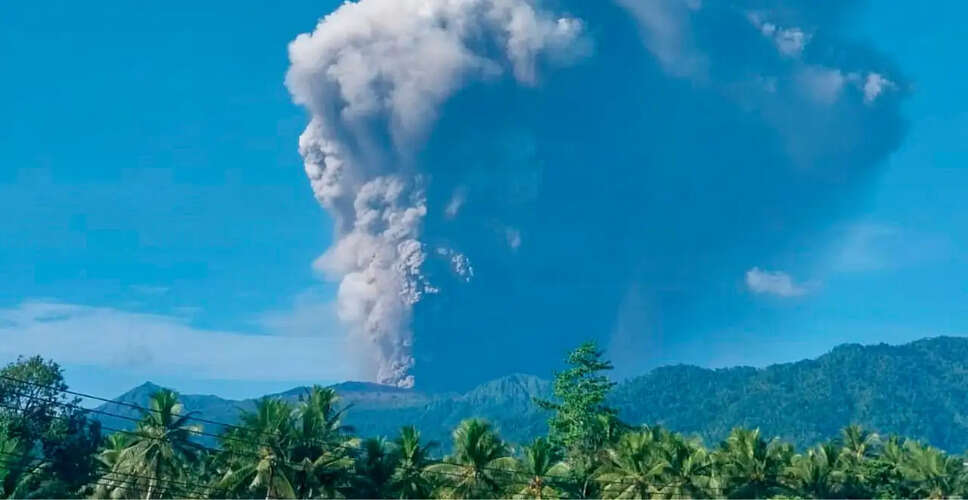

Fatal Eruption on Halmahera Island
Authorities reported that a sudden eruption of Mount Dukono on a secluded Indonesian island resulted in the deaths of three hikers. On Thursday, approximately 20 climbers disregarded safety warnings and attempted to scale the nearly 1,355-meter (4,445-foot) volcano located on Halmahera Island, according to North Halmahera police chief Erlichson Pasaribu. The climbers found themselves trapped when the volcano erupted at 7:41 a.m. local time, releasing a massive ash plume that ascended around 10 kilometers (6.2 miles) into the atmosphere. The eruption was detected on seismographs for over 16 minutes, as reported by Indonesia’s Geological Agency.
Pasaribu stated in a television interview that the climbers were aware of the climbing ban due to the volcano's high alert status but chose to proceed anyway. Following an emergency signal from the area, rescue teams were dispatched. Tragically, three individuals—two from Singapore and one Indonesian—were confirmed dead at the site. By Friday afternoon, 14 climbers, including seven foreigners, had been successfully rescued, although five of them sustained injuries. Efforts to locate other climbers still believed to be descending continued.
Rescue operations faced challenges as ongoing eruptions and hazardous conditions hindered access to the area where the bodies were located. The Center for Volcanology and Geological Hazard Mitigation has long prohibited activities within a 4-kilometer (2.5-mile) radius of Dukono’s crater due to risks such as volcanic bombs, ashfall, and toxic gases. Officials suspect that the hikers were within this restricted zone during the eruption.
Despite warnings shared on social media and posted signs, Pasaribu noted that many individuals remain eager to climb, motivated by the desire to capture content for online platforms. Mount Dukono is recognized as one of Indonesia’s most active volcanoes, having erupted almost continuously since 1933. Indonesia is situated along the Pacific “Ring of Fire,” an area known for significant seismic and volcanic activity, housing over 120 active volcanoes.
Authorities have also cautioned about potential secondary hazards, such as volcanic mudflows, particularly during heavy rainfall, which could flow along rivers descending from the volcano. The volcanic activity at Dukono is currently at a heightened level, with officials indicating it is at the second-highest alert status. Since late March, there has been a notable increase in explosive eruptions, with nearly 200 recorded since March 30, averaging about 95 eruptions daily.
Lana Saria, head of Indonesia's Geology Agency at the Energy and Mineral Resources Ministry, remarked that Friday’s eruption was among the most powerful in this recent period. She noted that ash clouds, varying in color from white to gray and black, were being blown northward. Saria warned that ashfall could impact nearby communities, including Tobelo, posing health risks and disrupting transportation and daily activities. Officials urged residents, tourists, and climbers to remain calm, adhere to official instructions, and avoid restricted zones as monitoring of Mount Dukono continues.