
Tragic Deaths Highlight the Dangers of Chhaupadi Tradition in Nepal
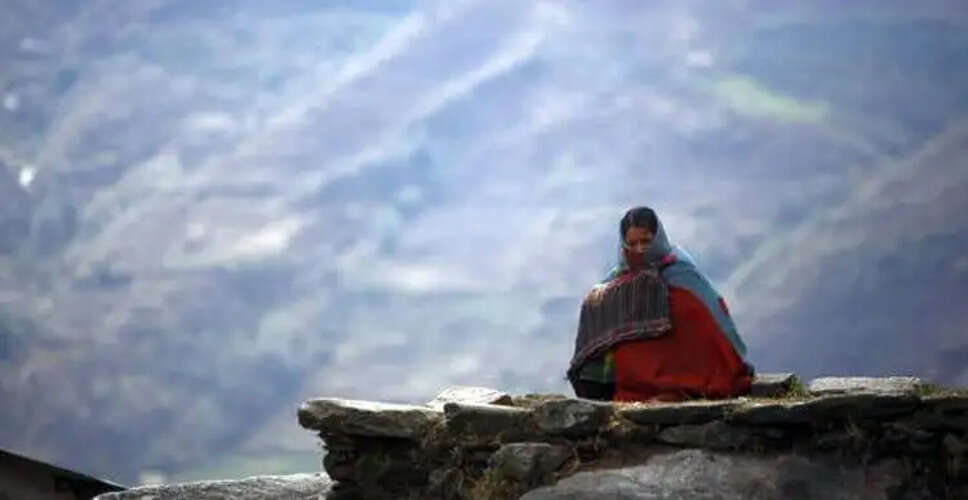

A Heartbreaking Incident in Bajura, Nepal
Bajura District, Nepal. In a small hut, Amba Bohra was found dead alongside her two sons. When family members opened the door in the morning, they discovered the tragic scene. The blankets they had used for warmth had caught fire, leading to severe burns on Amba's legs.
It is believed that Amba and her children died from suffocation, as they had been sleeping in a confined space without any windows. The smoke from the fire likely filled the hut overnight.
However, one might wonder why a mother would choose to sleep outside with her children in such cold weather. The answer lies in the fact that Amba was experiencing her menstrual period.
In the western regions of Nepal, where the Hindu population is significant, the Chhaupadi practice is still prevalent. This tradition forces women and girls who are menstruating to be isolated in huts.
Understanding the Chhaupadi Tradition
- According to this tradition,
- Unmarried girls must stay in a hut for six days.
- Married women with both sons and daughters are required to stay for five days.
- Those with only daughters must remain in the hut for seven days.
These huts can be communal or separate for individual households. In lower-income areas, multiple families may share a single hut, while some homes lack the space to build a separate structure. In such cases, girls and women are often relegated to a secluded corner within their homes during their menstrual periods.
Moreover, women experiencing their periods are prohibited from touching any household items, cooking, or using the toilet. There is a widespread belief that their presence indoors would anger the deities.
Despite the ban on Chhaupadi in Nepal's laws, the practice continues to persist. Violators face fines of up to three thousand rupees and/or three months in jail. Yet, many still adhere to this tradition without fear of repercussions.
An NGO named Be Artsy has been distributing menstrual cups to girls affected by Chhaupadi in western Nepal. Many girls reported that using menstrual cups allowed them to be considered clean by their families, enabling them to sleep indoors. Since menstrual cups do not require frequent disposal and do not produce odor, girls found it easier to attend school and live comfortably at home.