
Tragic Clashes in Somalia: Over 30 Lives Lost Amidst Resource Struggles
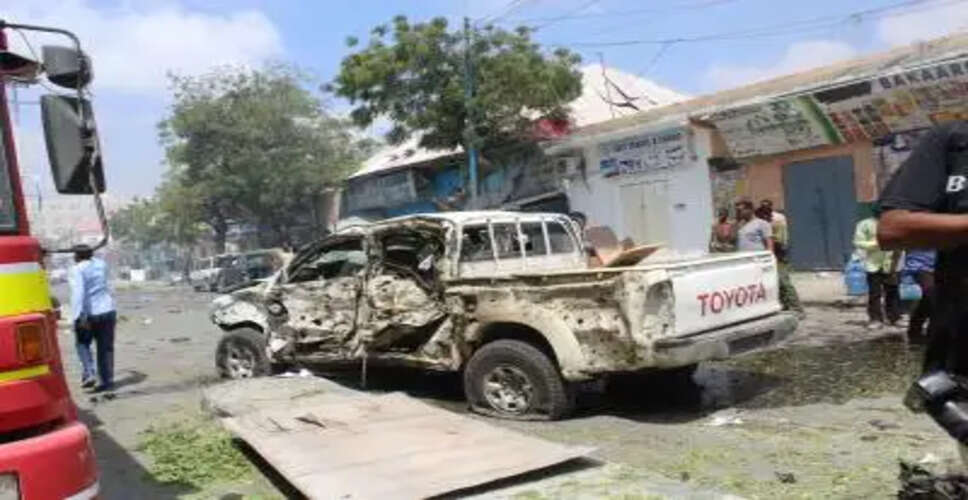

Violence Erupts in Laashimo Valley
Mogadishu: Recent inter-clan violence in the Laashimo Valley of northern Somalia has resulted in the deaths of at least 31 individuals, with 30 more sustaining injuries, as confirmed by the United Nations High Commissioner for Refugees (UNHCR) on Monday.
The clashes, which took place between May 6 and 7, have led to the displacement of around 9,000 people, predominantly women and children, according to the latest report from UNHCR.
The UN agency highlighted that the severity of the violence has instilled widespread fear among local pastoral communities, significantly heightening the risks to civilian safety. There are increasing worries about potential further displacements.
The conflict was ignited by disputes over access to vital water resources and grazing lands, exacerbated by ongoing drought conditions that have intensified competition for limited resources among pastoralist groups, as reported by Xinhua.
Additionally, the UNHCR noted that these recent hostilities were also driven by long-standing unresolved grievances related to revenge killings.
Access to the Laashimo Valley has been severely restricted due to years of conflict and a minimal aid presence, leaving the security situation precarious despite ongoing peace initiatives led by the government and local elders.
Despite facing limited resources, host communities have demonstrated remarkable generosity in providing shelter to those affected. However, the influx of internally displaced persons is straining the already fragile support systems, risking resource depletion if the situation remains unresolved.
In response to the escalating tensions, the Puntland regional government deployed military forces and established a base on May 9 to help mitigate the conflict.
Efforts are underway, with government officials, community elders, and traditional leaders striving to mediate disputes and encourage dialogue between the conflicting parties.