
Tornado Touches Down in California's Central Valley, Prompting Warnings
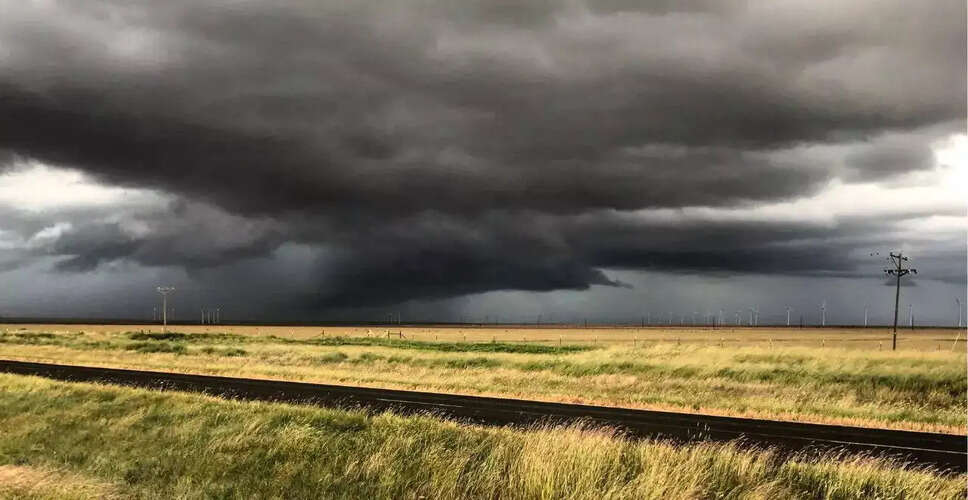

Tornado Sighted Near Fresno
A tornado has been reported in California's Central Valley, leading to alerts from meteorological authorities. The National Weather Service confirmed that a funnel cloud was observed near Biola, located approximately nine miles west of Fresno, on Tuesday afternoon. Meteorologist Nick Daer from the Hanford office stated that a local resident notified emergency services about the sighting at 2:12 p.m. The tornado was tracked moving northeast at about 15 miles per hour and remained on the ground for over ten minutes after its initial sighting. Following this report, the National Weather Service issued a tornado warning, urging residents in the vicinity to be cautious of flying debris. Forecasters are en route to the area to evaluate any potential damage.
Cellphone video captured by Alfredo Guerra shows a funnel cloud near Shaw Avenue and Highway 99 on Tuesday afternoon. A tornado warning was issued for parts of Fresno and Madera, but has since expired. THE LATEST: https://t.co/7XzEA0YkTy pic.twitter.com/AX5ntgykWS
— ABC30 Fresno (@ABC30) April 21, 2026
Tornado occurrences are relatively rare in California, although they do happen from time to time. Since 1950, Golden Gate Weather Services has documented 487 tornadoes in the state. The last significant tornado in the Fresno region was recorded in January 2019 in Clovis, rated as a level one on the Enhanced Fujita scale. According to Daer, the tornado's formation was due to a mix of moist air and rising temperatures. Earlier in the day, a storm system from the Pacific Ocean had brought rainfall to the area, followed by clearer skies in the afternoon. He explained, “This combination of a humid atmosphere and warming air set the stage for the tornado's development.”