
Three Arrested for Alleged Espionage for Pakistan's Intelligence Agency
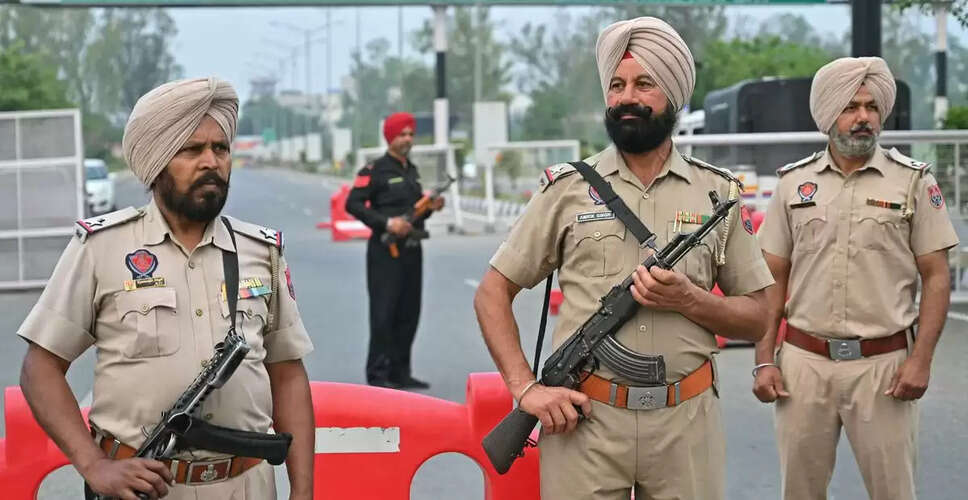
Espionage Arrests Amid Rising Tensions
Authorities have detained three individuals—two from Punjab and one from Uttar Pradesh—on charges of espionage for Pakistan's intelligence agency, with allegations of leaking sensitive information regarding Operation Sindoor.
This development occurs during a period of increased strain between India and Pakistan. Over the last fortnight, more than ten individuals have been apprehended in Punjab and Haryana for similar espionage activities.
On Monday, Punjab's Gurdaspur Police arrested two suspects for allegedly transmitting critical military information to Pakistan's Inter Services Intelligence (ISI), as stated by Director General of Police Gaurav Yadav.
Yadav shared on social media that credible intelligence received on May 15 suggested that the accused, Sukhpreet Singh and Karanbir Singh, were relaying classified information, including troop movements and strategic locations in Punjab, Himachal Pradesh, and Jammu and Kashmir, to the ISI.
In a significant counter-espionage operation, #Gurdaspur Police thwarts an attempt to compromise national security by apprehending two persons involved in leaking sensitive military information.
— DGP Punjab Police (@DGPPunjabPolice) May 19, 2025
On 15th May 2025, credible intelligence inputs indicated that Sukhpreet Singh &…
Yadav asserted that forensic analysis of their mobile devices corroborated the intelligence findings, with police recovering three phones and ammunition from the suspects.
It was further claimed that the two men were in direct communication with ISI handlers in Pakistan.
A case has been filed against them under the Official Secrets Act at the Dorangala police station.
Additionally, the Uttar Pradesh Anti Terrorist Squad arrested a man named Shehzad from Rampur for allegedly spying for the ISI and participating in activities deemed anti-national.
Shehzad is accused of endangering India's sovereignty, unity, and integrity, as reported by local media.
According to police reports, Shehzad had been secretly traveling between India and Pakistan for years, smuggling cosmetics, clothing, and spices across the border. These trips were allegedly used to collaborate with the ISI, maintaining regular contact with their agents and sharing sensitive security information.
Furthermore, Shehzad is said to have recruited individuals from Rampur and surrounding areas to work for the ISI, with Pakistani agents managing their travel documents. He reportedly provided Indian SIM cards to ISI operatives to facilitate their espionage efforts.
Relations between New Delhi and Islamabad intensified on May 7, when the Indian military executed strikes—dubbed Operation Sindoor—targeting what it identified as terrorist camps in Pakistan and Pakistan-occupied Kashmir.
These strikes were a response to a terror attack in Pahalgam, Jammu and Kashmir.
In retaliation, the Pakistan Army engaged in shelling Indian villages along the Line of Control, resulting in the deaths of at least 22 Indian civilians and seven military personnel.
On May 10, both nations reached an agreement to cease hostilities following a four-day conflict.