
The World's Top 5 Fastest Missiles: A Comprehensive Overview
Exploring the Fastest Missiles in Modern Warfare
In the competitive landscape of contemporary military technology, speed is a critical factor. The fastest missiles globally embody advanced defense innovations, capable of targeting with incredible speed and accuracy. These weapons, ranging from hypersonic glide vehicles to intercontinental ballistic missiles (ICBMs), are transforming warfare dynamics, making detection and interception increasingly challenging. Below is a detailed examination of the five fastest missiles worldwide, each representing a pinnacle of aerospace engineering and military strategy.
1. Avangard: A Hypersonic Breakthrough from Russia
Source: Sputnik India
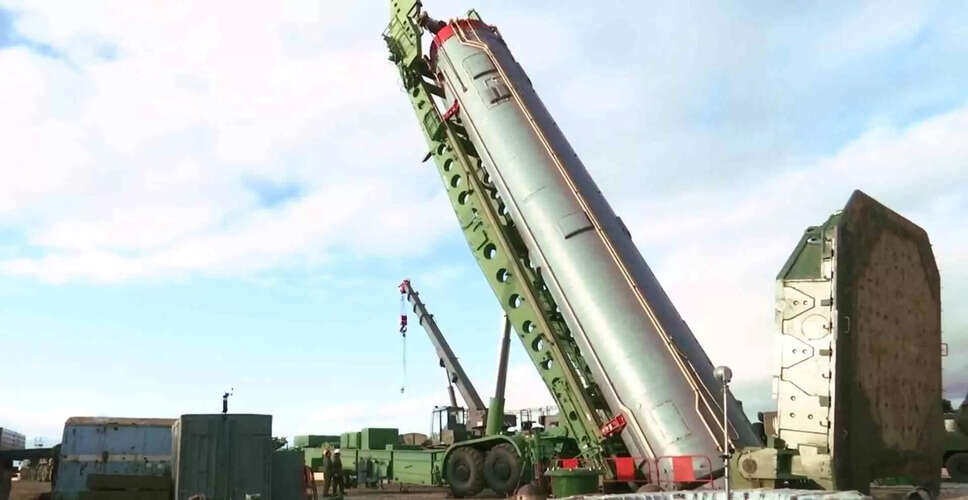
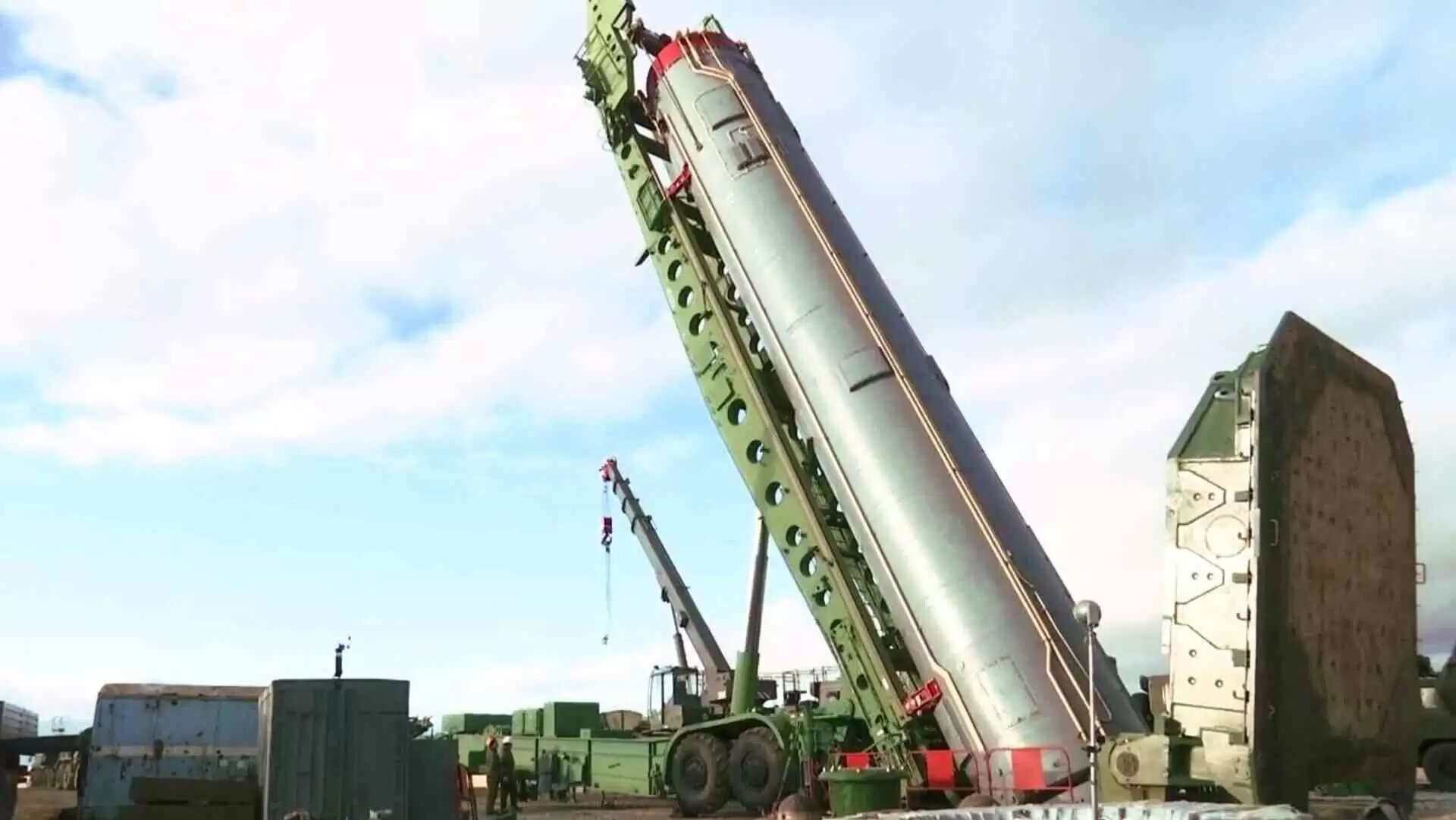
The Avangard is a revolutionary hypersonic glide vehicle developed by Russia, marking a significant advancement in strategic weaponry. Introduced in 2018 and currently operational, it can exceed speeds of Mach 20 while executing sharp maneuvers, making it nearly impossible to intercept with current missile defense systems. Launched atop ICBMs like the UR-100N or RS-28 Sarmat, the Avangard glides towards its target at extraordinary speeds, capable of carrying both nuclear and conventional warheads. This technology signifies a pivotal shift in military balance and heralds a new era in hypersonic warfare.
Key Features of Avangard
- Speed: Mach 20–27 (over 24,000 km/h).
- Manoeuvrability: Evasive maneuvers during glide phase.
- Launch Platform: ICBMs like UR-100N and RS-28 Sarmat.
- Range: Intercontinental, exceeding 10,000 km.
- Warhead Capacity: Capable of carrying nuclear and conventional warheads.
- Material Technology: Advanced heat-resistant composites for extreme conditions.
- Operational Status: Active since 2019 with the Russian Strategic Rocket Forces.
- Strategic Impact: A game-changer in nuclear deterrence.
2. DF-41: China's Strategic Missile
Source: The War Zone
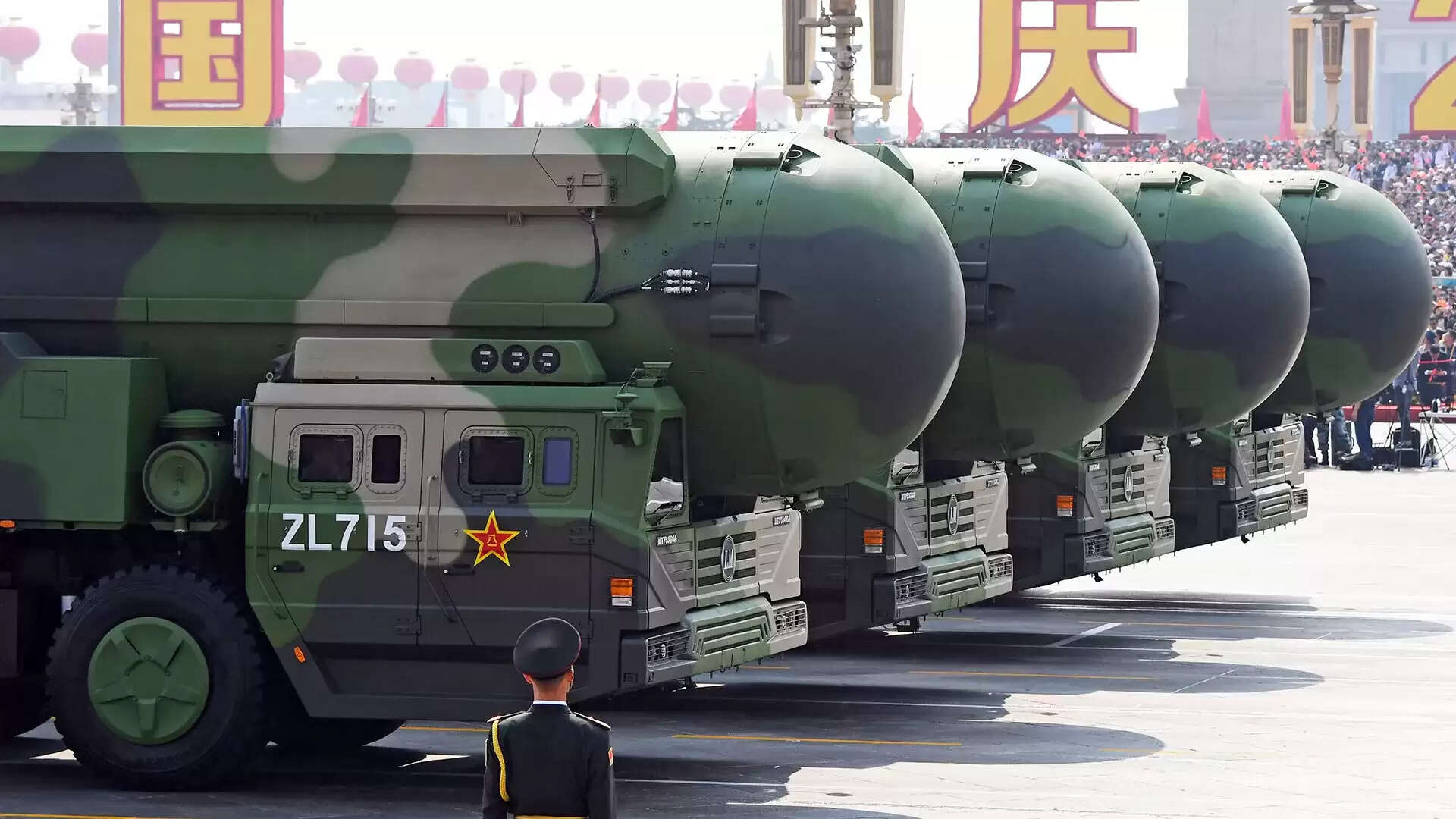
The DF-41, known as Dong Feng-41, is China's most sophisticated ICBM and a vital element of its nuclear deterrent strategy. Developed by the People's Liberation Army Rocket Force, it boasts the longest range of any ICBM, capable of reaching targets worldwide, including the continental U.S. Unveiled during the 2019 National Day Parade, this missile enhances China's nuclear modernization efforts. Its mobility allows for launch from road-mobile platforms, increasing its resilience against preemptive attacks. Equipped with Multiple Independently Targetable Reentry Vehicles (MIRVs), the DF-41 can engage multiple targets or saturate missile defenses, reflecting China's focus on strategic parity.
Key Features of DF-41
- Range: 12,000–15,000 km, covering any global location.
- Warhead Capacity: Up to 10 MIRVs, each independently targetable.
- Launch Platform: Road-mobile TELs and potential rail systems.
- Speed: Terminal speeds exceeding Mach 25.
- Deployment Time: Quick launch capability due to mobility.
- Accuracy: Circular Error Probable (CEP) of 100–150 meters.
- Fuel Type: Solid-propellant for rapid readiness.
- Status: Operational since around 2020.
- Strategic Purpose: Enhances second-strike capability.
3. Trident II D5: Precision from the Sea
Source: Missile Threat – CSIS
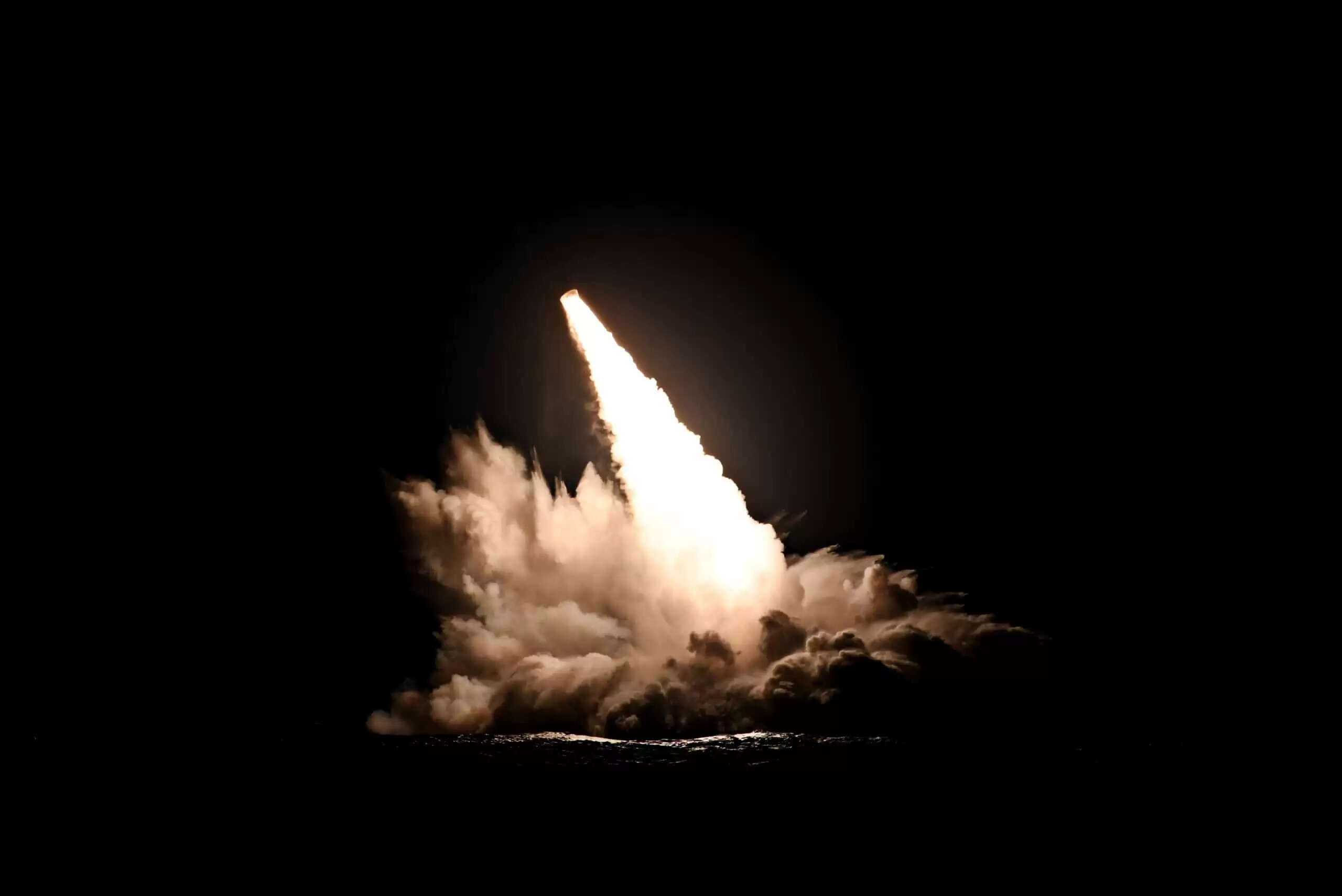
The Trident II D5 serves as the cornerstone of the nuclear deterrent for both the United States and the United Kingdom. This submarine-launched ballistic missile (SLBM) is renowned for its accuracy and reliability. Deployed on Ohio-class and Vanguard-class submarines, it ensures a stealthy second-strike capability. Since its introduction in the 1990s, the Trident II has undergone continuous upgrades, with the D5LE version expected to remain operational into the 2040s. Its precision and range allow it to deliver multiple nuclear warheads with independent targeting, making it a formidable asset in nuclear deterrence.
Key Features of Trident II D5
- Range: Over 12,000 km (with reduced payload).
- Warhead Capacity: Up to 12 MIRVs, typically with 4–8 warheads.
- Launch Platform: Ohio-class (USA) and Vanguard-class (UK) submarines.
- Accuracy: CEP < 90 meters, among the most precise SLBMs.
- Guidance System: Inertial and stellar navigation.
- Fuel Type: Three-stage solid propellant for reliable ignition.
- Speed: Reentry vehicles exceed Mach 20.
- Deployment: Active since 1990, with ongoing upgrades.
- Strategic Impact: Key component of the U.S. and UK nuclear triad.
4. Minuteman III: America's Land-Based ICBM
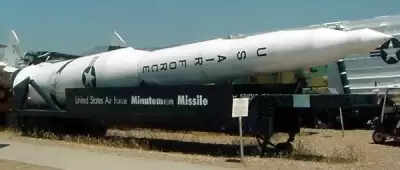
The Minuteman III is the sole land-based ICBM currently in service with the United States Air Force, having been a key element of America's nuclear deterrent since 1970. Despite its age, it has undergone significant modernization, enhancing its propulsion, guidance, and targeting systems. Deployed in fortified underground silos, the Minuteman III offers rapid-response capabilities as part of the U.S. nuclear triad. Originally designed with MIRVs, current treaties have limited it to a single warhead per missile. Plans are underway to replace it with the LGM-35A Sentinel in the early 2030s, but it remains a vital deterrent in the U.S. arsenal.
Key Features of Minuteman III
- Range: Over 13,000 km (approx. 8,000 miles).
- Warhead Capacity: Originally up to 3 MIRVs, now 1 warhead (under New START).
- Launch Platform: Underground silos across U.S. bases.
- Speed: Terminal reentry speed of Mach 23–24.
- Accuracy: Estimated CEP of 120–200 meters.
- Guidance System: Inertial navigation with software upgrades.
- Fuel Type: Three-stage solid propellant for quick readiness.
- Deployment: Active since 1970, with ongoing life extension programs.
- Strategic Role: Provides a credible land-based deterrent.
5. RS-28 Sarmat: Russia's Heavyweight Missile
Source: Sputnik India
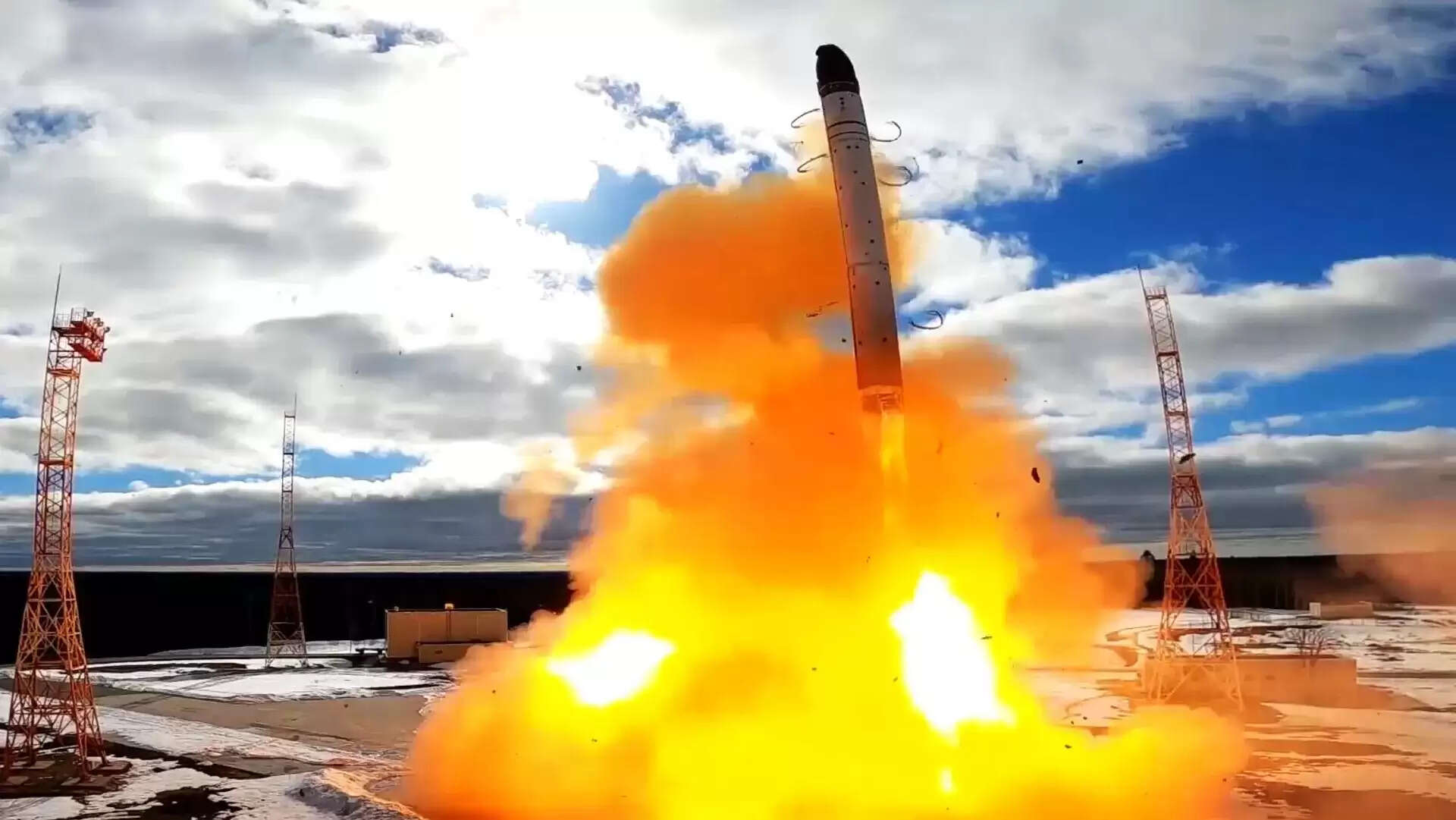
The RS-28 Sarmat, also referred to as 'Satan II', is Russia's latest ICBM designed to succeed the aging R-36M2. Part of Russia's strategic modernization efforts, the Sarmat is a liquid-fueled missile capable of carrying a substantial payload, including hypersonic glide vehicles like the Avangard. Engineered to bypass current and future missile defenses, it features complex trajectory planning and unpredictable flight paths. With the longest range and heaviest payload capacity of any missile in service, the RS-28 can carry multiple MIRVs and advanced decoys, reinforcing Russia's nuclear doctrine and its position in modern strategic deterrence.
Key Features of RS-28 Sarmat
- Range: Estimated over 18,000 km, capable of global reach.
- Warhead Capacity: Up to 10 heavy MIRVs or 15 lighter warheads.
- Launch Platform: Silo-based with modern infrastructure.
- Speed: Reentry vehicles can exceed Mach 20.
- Fuel Type: Liquid propellant for higher payload capacity.
- Accuracy: Estimated CEP of 10–50 meters.
- Payload: Up to 10 tons, including decoys.
- Deployment: Initial operational deployment expected in 2023–2024.
- Strategic Significance: Designed to counter U.S. missile defenses and ensure retaliatory power.
Conclusion: The Future of Missile Technology
As countries strive to outpace one another in missile technology, the emphasis is increasingly on hypersonic capabilities and defense-evading technologies. These missiles are not merely displays of military strength; they underscore the pressing need for diplomacy, deterrence, and global stability in an evolving arms race.