
The Versatile Sadabahar Plant: Benefits and Uses
Introduction to Sadabahar
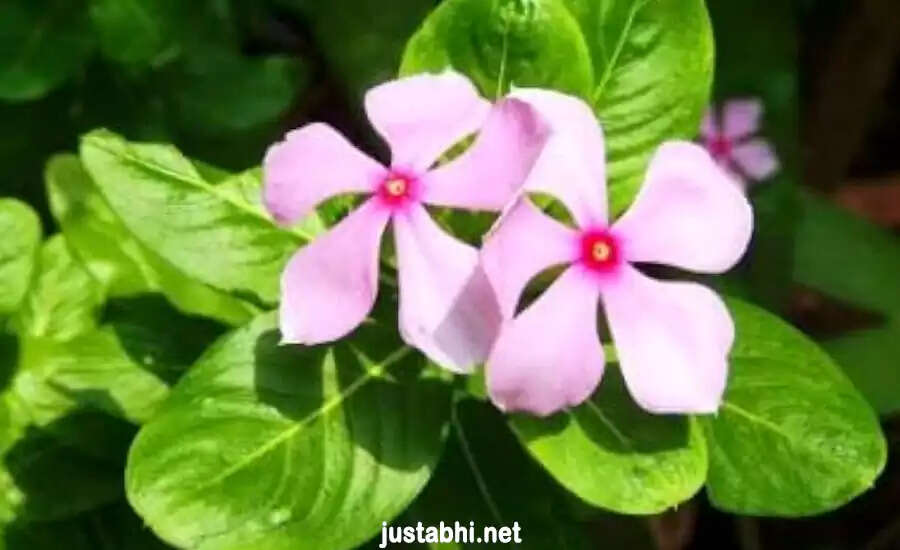
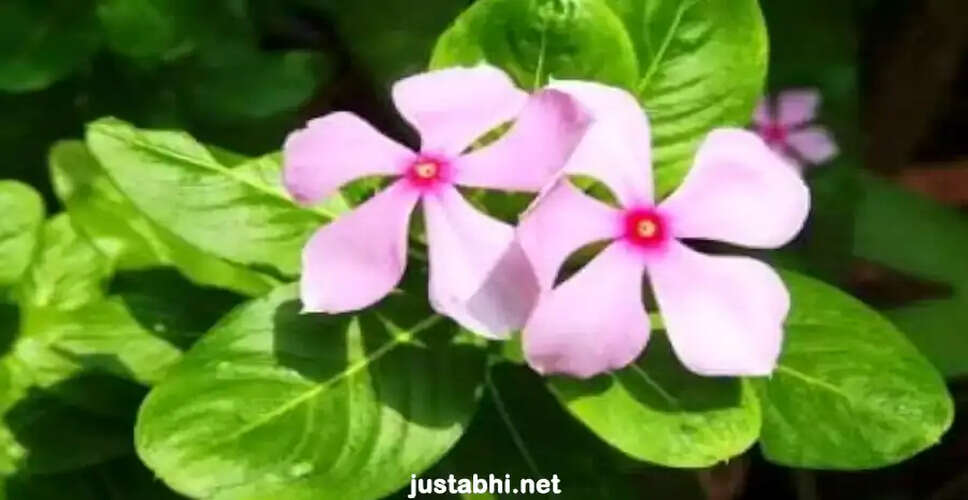
The Sadabahar is a perennial shrub. Its round leaves are elongated, glossy, and smooth. Once established, this plant encourages the growth of other plants around it. The flowers bloom in various colors, including white, pink, purple, and mauve, with five petals each.
Characteristics of the Plant
The leaves and fruits have a slightly thick texture. Due to the smooth and thick nature of its leaves, water evaporation is minimized, requiring less water, allowing it to thrive in various conditions. This quality has led flower enthusiasts to name it Nayan Tara or Sadabahar. Even when cut, the flowers remain fresh throughout the day and are commonly used in temple offerings.
Medicinal Uses of Sadabahar
There are documented uses of this plant in treating ailments. In India, natural healers recommend that diabetes patients consume the white flowers on an empty stomach in the morning. This plant belongs to the Apocynaceae family, which includes other popular shrubs and trees like Nerium, Plumeria, and others.
Home Remedies with Sadabahar
1. When wounds occur on the skin, indigenous people mix the juice of its leaves with milk and apply it, believing it helps the wound to mature and pus to drain quickly.
2. Chewing three to four tender leaves of Sadabahar (Sadaphuli) and sucking the juice can provide relief from diabetes. Soak three fresh pink flowers in half a cup of warm water for five minutes, then remove the flowers and drink the water on an empty stomach. Repeat this for 8 to 10 days and check your sugar levels; if they decrease, you can repeat the process after a week.
3. The milky sap that oozes from the leaves can be applied to relieve itching and rashes. It should be applied at least twice a day to the affected area.
4. Chewing four clean leaves of Sadabahar on an empty stomach and drinking two sips of water afterward can help reduce diabetes. This should be done for at least three months.
5. Applying the sap from the leaves to wounds prevents infections and promotes faster healing.
6. Crushing the leaves and flowers and applying them can provide quick relief from hemorrhoids, especially when done before bedtime.
7. Applying the juice of Sadabahar flowers and leaves on acne can lead to noticeable improvements within days. The paste should be applied at least twice daily.
8. The sap from the leaves is effective against stings from wasps or bees, providing quick relief. It also aids in the healing of wounds and alleviates skin irritations, redness, or allergies.