
The Unusual Tradition of Using Frogs to Preserve Milk
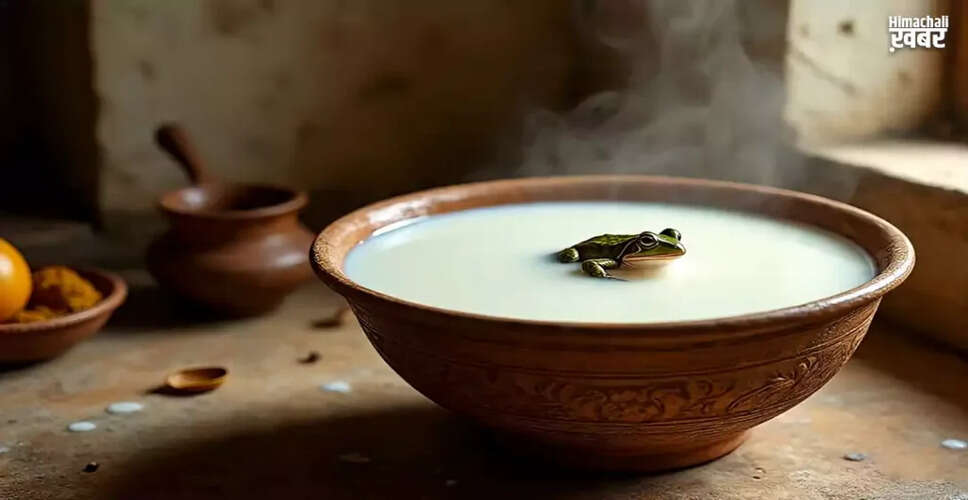

An Unconventional Method of Milk Preservation
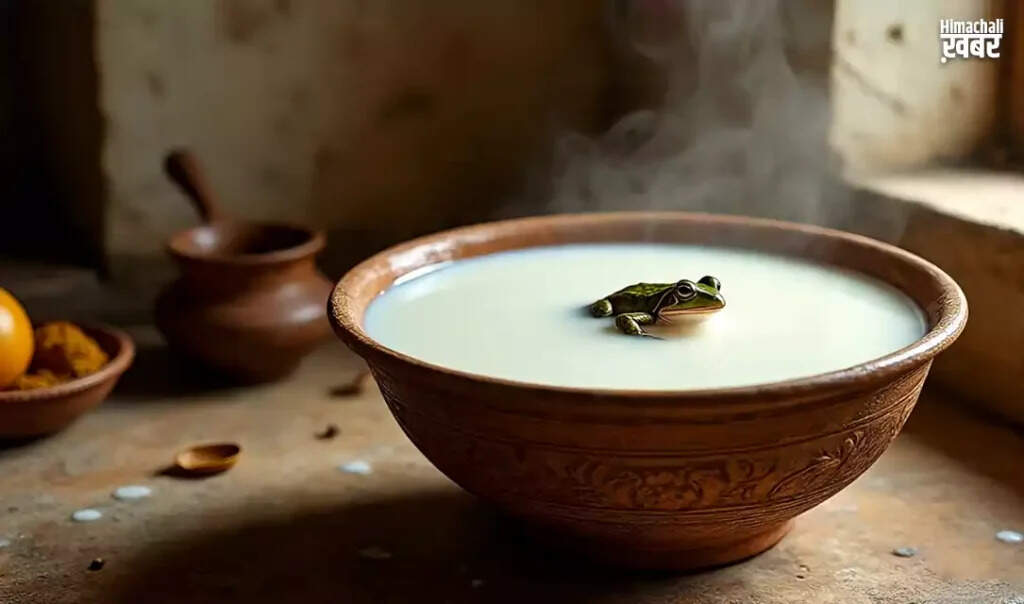
Imagine this:
You’ve just milked a cow, but instead of storing it in a cool place, you place it in a container with... a frog!
This might sound like a tale from the past, yet in cold regions like Russia and Finland, this was once a common practice.
The Connection Between Frogs and Milk
Before the invention of refrigerators, keeping milk fresh was quite a challenge. In countries like Russia and Finland, where temperatures often remain low, milk could spoil within hours. To combat this, locals adopted a unique method based on traditional knowledge — they would place a live frog in the milk container.
Scientific Insights into the Tradition
Recent studies by scientists have revealed that certain substances secreted by frog skin possess natural antibiotic properties. These properties help eliminate harmful bacteria in milk, allowing it to stay fresh for a longer period.
Researchers from the University of Helsinki in Finland discovered around 76 different antimicrobial peptides from frog skin that can prevent milk spoilage.
Natural Preservation Without Refrigeration
This method of using frogs in milk demonstrates that ancient people had a scientific mindset, even without the modern labs and technology we have today. They found solutions from natural sources, which were also environmentally friendly.
Is This Method Applicable Today?
Not really! Because now we have:
- Refrigerators and deep freezers
- Packaged milk that is processed
- New standards of hygiene
The frog method does not meet today’s health and ethical standards. However, it certainly highlights how creative and experimental our ancestors were.