
The Untold Story of Ravindra Kaushik: India's Black Tiger

A Life Dedicated to the Nation
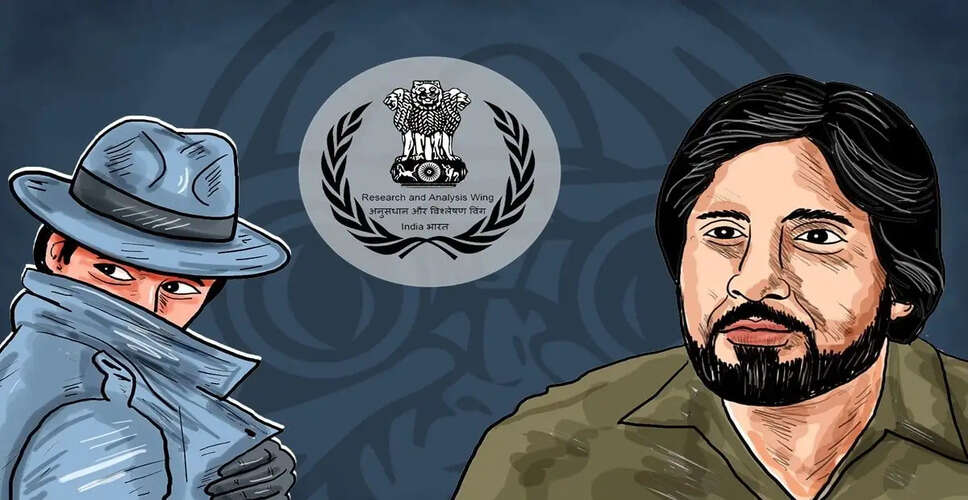
Ravindra Kaushik, a name that remains shrouded in mystery, was a man whose heartbeat resonated with the Indian flag, despite never being wrapped in it. He sacrificed his Hindu identity for the nation, adopting Urdu as his language and embracing Islam, becoming a Pakistani so convincing that he deceived even his enemies. Kaushik was India's most formidable spy, infiltrating the Pakistani army and rising to the rank of Major. His intelligence efforts thwarted numerous attacks on India, saving over 20,000 lives. Yet, he never received the recognition he deserved, remaining an unsung hero who sacrificed everything—his identity, family, and life—for his country. This is the poignant tale of Ravindra Kaushik, honored by Indira Gandhi as 'Black Tiger.' His story is one of danger, betrayal, love, and sacrifice, evoking pride and sorrow among those who hear it.
The Spark of a Spy Career
Born on April 11, 1952, in Sri Ganganagar, Rajasthan, to Amala Devi, Ravindra showed an early passion for acting and mimicry. He participated in numerous plays during his school and college years. At 21, he took part in a national theater festival in Lucknow, where a pivotal moment changed his life. His brother, Rajeshwar Nath Kaushik, recalls that Ravindra portrayed an Indian Army officer who refused to share intelligence with China, catching the attention of intelligence officials. Living near the Pakistan border, his community's culture mirrored that of Pakistan, making it a prime recruitment area for spies.
Training for Espionage
Recognizing his potential, intelligence officers approached Ravindra with an offer to become a spy. With a patriotic spirit ingrained from his father's Air Force background, he eagerly accepted. After completing his graduation in 1983, he informed his family he had secured a job in Delhi, concealing the truth that he was training with the Research and Analysis Wing (RAW). During his two years of rigorous training, he learned Urdu, Islamic customs, and the geography of Pakistan, preparing him for his new identity as Nabi Ahmed Shakir. By 1975, he was fully trained, even undergoing circumcision to solidify his cover before being sent to Pakistan.
Life in Pakistan
Ravindra enrolled at Karachi University, completing his LLB, which was essential for his espionage activities. He prepared to join the Pakistani army, passing the entrance exam and eventually rising to the rank of Major in the Accounts Department. While in Pakistan, he married Amanat, whose father worked as a tailor for the army. Throughout their marriage, Ravindra kept his true identity hidden, with Amanat knowing him only as Nabi Ahmed Shakir. His dedication to espionage was unwavering, providing India with crucial intelligence during a time of heightened tensions between the two nations.
The Origin of the 'Black Tiger' Title
Ravindra's contributions were so significant that he earned the nickname 'Black Tiger' within Indian defense circles, reportedly bestowed by Prime Minister Indira Gandhi herself. His exploits inspired a book titled 'Mission to Pakistan and Intelligence Agents in Pakistan' by former IB Joint Director Malay Krishna Dhar. Bollywood also drew inspiration from his life, with films like 'Ek Tha Tiger' and 'Romeo Akbar Walter' reflecting his story.
The Downfall of a Hero
Ravindra's capture was not due to his own mistakes but rather a failed operation involving another agent, Inayat Masiha, who was tortured and revealed Ravindra's identity. Pakistani authorities set a trap, leading to his arrest in a park at the age of 29. He endured two years of brutal interrogation and was ultimately sentenced to death, later commuted to life imprisonment. He spent 16 years in a harsh prison before passing away in 2001. Tragically, his body was never returned to India, buried in Multan's central jail, with the Indian government never officially acknowledging him as a citizen.
Legacy of the Black Tiger
Despite the lack of recognition, Ravindra Kaushik's name will forever be associated with bravery and sacrifice. His story serves as a reminder of the unsung heroes who dedicate their lives for their country, often without the honor they deserve. The legacy of the Black Tiger will continue to inspire future generations.