
The Surprising Tradition of Polygamy in Rajasthan's Desert Villages

A Unique Cultural Practice
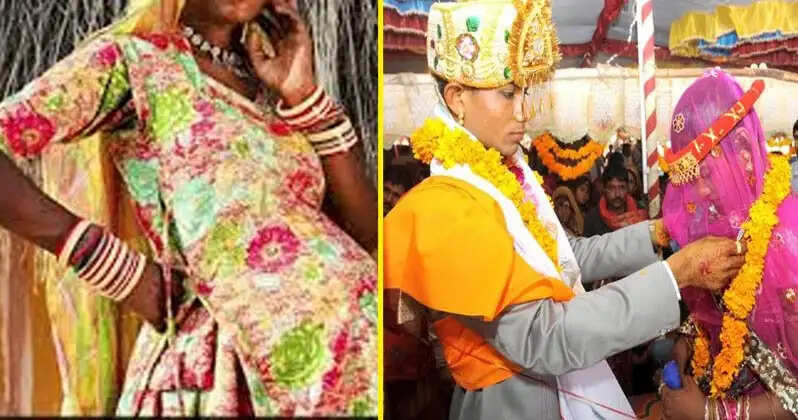
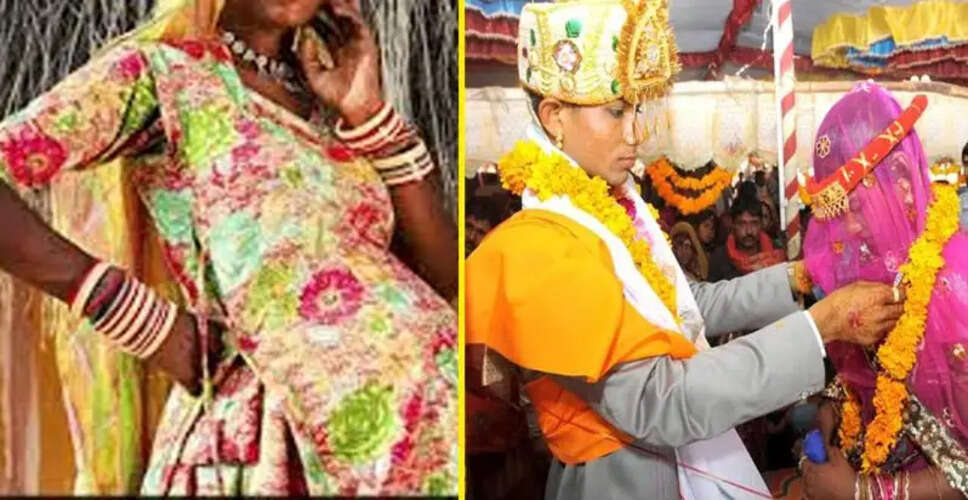
In many cultures, when a wife becomes pregnant, her husband typically showers her with love and care, eagerly anticipating the arrival of their child. However, in certain regions of Rajasthan, India, a shocking tradition unfolds: husbands begin searching for a second wife as soon as their current spouse is expecting. This practice has been observed for decades in the village of Derasar, located in the Barmer district.
It may seem unfathomable that a husband would consider marrying another woman while his wife is pregnant. Yet, in some areas of Rajasthan, it is a common occurrence. Disturbingly, the women in these communities are often aware from the outset that they may have to share their husbands with another wife once they become pregnant.
Despite the progress made in eradicating many social evils, this custom persists in certain regions. In Derasar, it is customary for men to take a second wife before they become fathers. This tradition is rooted in the harsh realities of life in the desert, where women must travel long distances to fetch water, often in extreme weather conditions. Girls are trained from a young age to carry water, and their marriages are often arranged based on their ability to perform this task.
Once a woman becomes pregnant, the burden of fetching water becomes even more challenging. To alleviate this, husbands often marry a second wife to share the responsibility of water collection while ensuring that the first wife is cared for. According to the 2011 census, Derasar has a population of 596, with 309 men and 287 women.
The practice of polygamy is not limited to Rajasthan; similar customs exist in various villages across Maharashtra. In some cases, fetching water can take wives up to twelve hours, as they must traverse multiple villages. In Maharashtra, there are approximately 19,000 villages where second wives are referred to as 'water wives' or 'water brides.'
In the village of Dengamal, men may marry up to three wives, with the rationale that one wife can manage the household while the others gather sufficient water. It is common to see younger women marrying older men, as they are perceived to be more capable of carrying water than their older counterparts.
In these communities, even officials struggle to intervene against polygamy, as such marriages often occur with the consent of the first or second wife. This leaves authorities feeling powerless to enact change.