
The Secrets Behind Japan's Centenarians: What Can India Learn?
Japan's Remarkable Centenarian Population
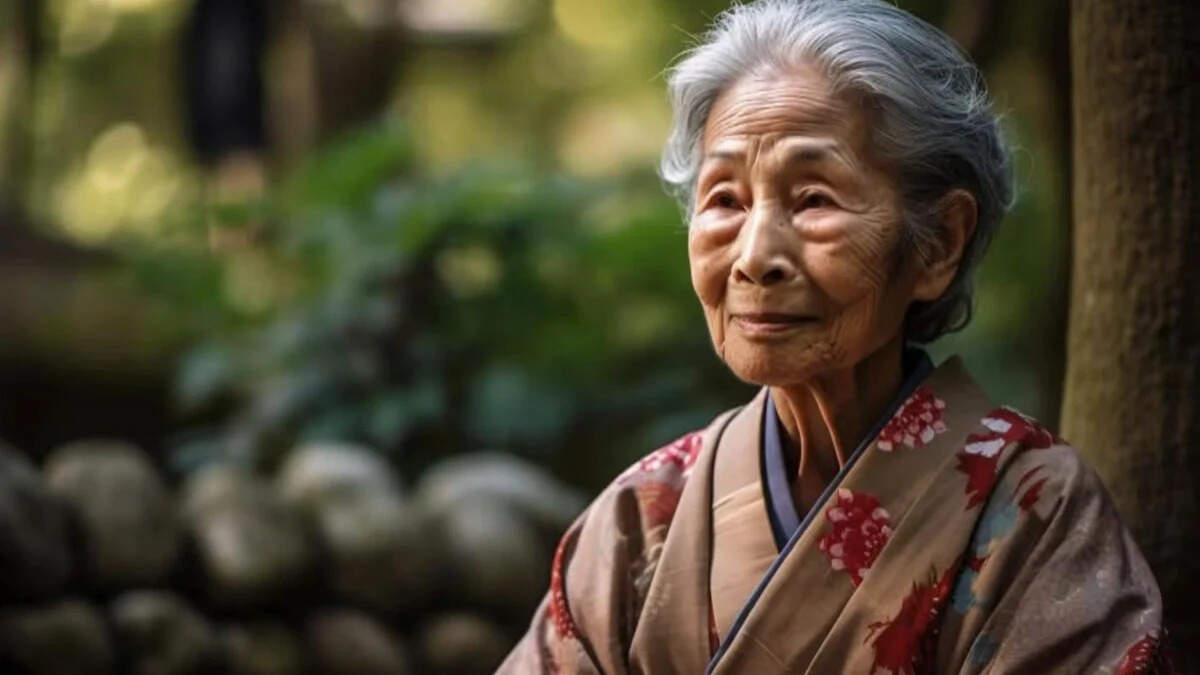
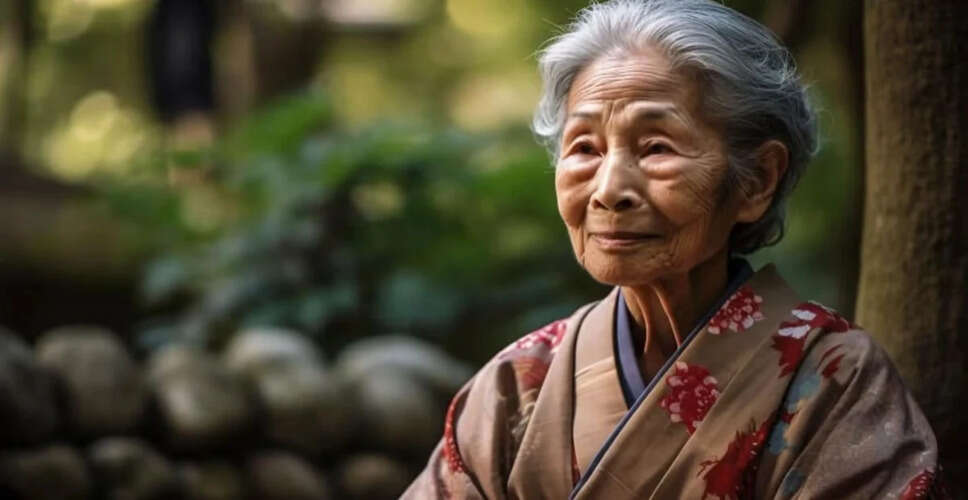
Japan has once again astonished the world. Recent statistics reveal that the number of individuals aged 100 and above in Japan has surpassed 95,000. Notably, 88% of these centenarians are women.
This figure not only highlights Japan's exceptional healthcare and lifestyle but also raises the question of whether India can aspire to such longevity. Let's delve into this mystery and explore if changes in the Indian diet are necessary.
Rising Numbers of Centenarians in Japan
According to Japan's health ministry, by September 2025, there will be 95,119 people aged 100 or older in the country. This marks an increase of 4,900 from the previous year. When these statistics were first recorded in 1963, there were only 153 centenarians. The numbers have been rising annually, particularly among women, with 83,966 women and 11,153 men included in this count. But what is the secret behind the longevity of Japanese women?
The Japanese Secret to Longevity
The secret to Japan's longevity lies in their diet, lifestyle, and social structure. Traditionally, Japanese people consume foods like fish, vegetables, rice, miso soup, and green tea. Their diet is low in processed foods and sugar. Additionally, regular exercise, especially light workouts designed for the elderly, helps maintain their health. Japan also has a strong community support system and care for the elderly, which plays a significant role in their longevity.
Current Situation in India
In contrast, the average lifespan in India is significantly lower than in Japan. According to the World Health Organization, the average life expectancy for men in India is 69 years, while for women, it is 72 years. The high consumption of oil, sugar, and processed foods is a major contributing factor. Moreover, stress, pollution, and a weak healthcare system also impact our lifespan. But can we learn something from Japan? Is it possible for us to become centenarians by altering our diet?
Need for Dietary Changes in India
Taking inspiration from the Japanese diet, we should incorporate more green vegetables, whole grains, and proteins into our meals. Lentils, millet, ragi, and turmeric are traditional components of our diet, but the rising popularity of fast food has overshadowed them. Additionally, ancient Indian practices like yoga and pranayama can help keep us fit. However, the most crucial aspect is awareness and adopting healthy eating habits.
Implementing Lessons from Japan in India
Japan's model teaches us that longevity is not solely the result of a good diet but also a healthy lifestyle and social support. If India embraces its traditional diet, distances itself from processed foods, and incorporates regular exercise into daily life, we too might celebrate reaching the age of 100. The government should also focus on improving healthcare and community support systems for the elderly.
So, are you ready to make changes to your diet and lifestyle? The centenarians of Japan remind us that the secret to a long life lies not just in our plates but also in living a healthy and happy life.