
The Secret Behind the Taj Mahal's Timeless Beauty
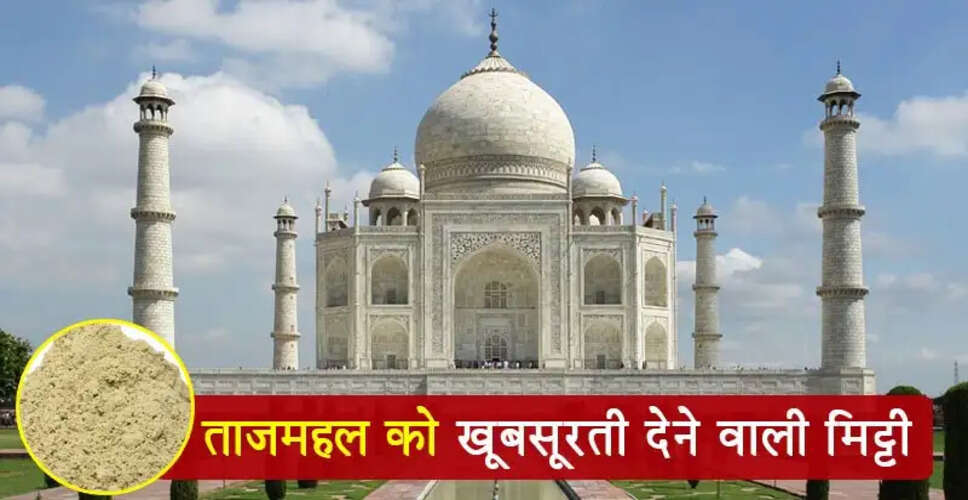

Unveiling the Taj Mahal's Enduring Charm
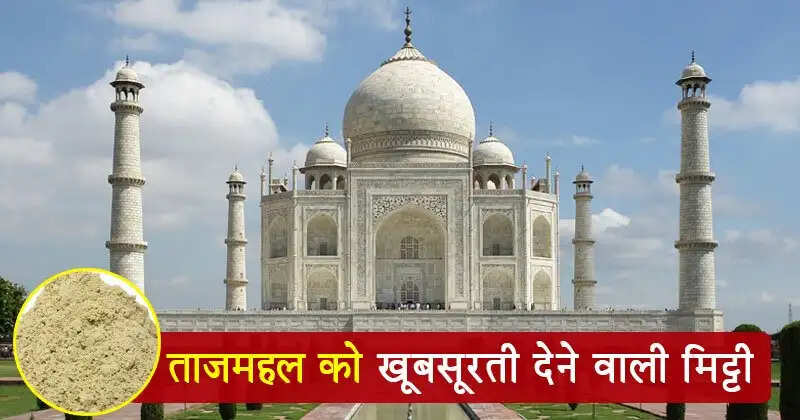
The Taj Mahal, recognized as one of the Seven Wonders of the World, has maintained its stunning beauty for centuries. Visitors continue to be mesmerized by its grandeur. The secret behind the Taj Mahal's allure, which stands resilient against the elements of sun, rain, and cold, is quite remarkable. Constructed from white marble, this monument presents a breathtaking sight from afar. While paradise is often described in words, the Taj Mahal embodies a celestial beauty that transcends mere imagination. Interestingly, the maintenance of this iconic structure involves a unique cleaning process that incorporates materials sourced from Pakistan, which plays a crucial role in preserving its luster. Today, we will reveal the secrets behind its beauty.
The allure of the Taj Mahal in Agra is well-known. To protect this architectural marvel, special treatments have been applied for over 350 years, and this year is no exception. As summer approaches, a special mud pack made from Multani soil is prepared, mixed with chemicals to protect the stones and eliminate discoloration. This process, known as 'mud packing,' not only shields the Taj from harsh sunlight and heat but also significantly reduces the yellowing of the stones.
The mud packing involves creating a paste from Multani soil. Initially, water is sprayed on the surface, and then workers apply the paste using large brushes throughout the Taj Mahal. This application process takes about three to four months to complete. The unique properties of this clay allow it to absorb dirt, oily pollutants, and other chemicals.
As the clay dries, it captures the dirt particles, which then fall off. This process continues as the clay dries further. Once the clay has fully dried, it is washed off with water, revealing the Taj Mahal's brilliance, which captivates all who behold it. This cleaning method is performed multiple times a year; previously, it was done once, but now it occurs twice annually.
This preservation technique has been in practice for over 350 years, utilizing a special type of soil found in Multan, Pakistan, known as Multani soil. This soil is commonly used by women in India for facial cleansing before makeup. The British facilitated its distribution across India from Sindh. Multani soil is also found in regions such as Britain, southeastern USA, Pakistan, Japan, and Mexico, but in India, it is primarily sourced from Pakistan.
The clay that enhances the Taj Mahal's beauty is referred to as fuller’s earth. It not only cleanses the monument but also revitalizes its color, similar to how it is used on the face. This clay, also known as palygorskite or attapulgite, contains magnesium and aluminum phyllosilicate, with the chemical formula (Mg,Al)2Si4O10(OH).4(H2O). Just as applying Multani soil to the face brings a glow, it does the same for the Taj Mahal.
This Pakistani soil is also regarded as a medicinal remedy for various body ailments. Historically, it has been used for washing hair and is now popular for bathing and facial packs. It holds significant importance in treating skin diseases and keeping the skin soft.