
The Role of Pakistan in Facilitating Iran's Diplomacy in the U.S.
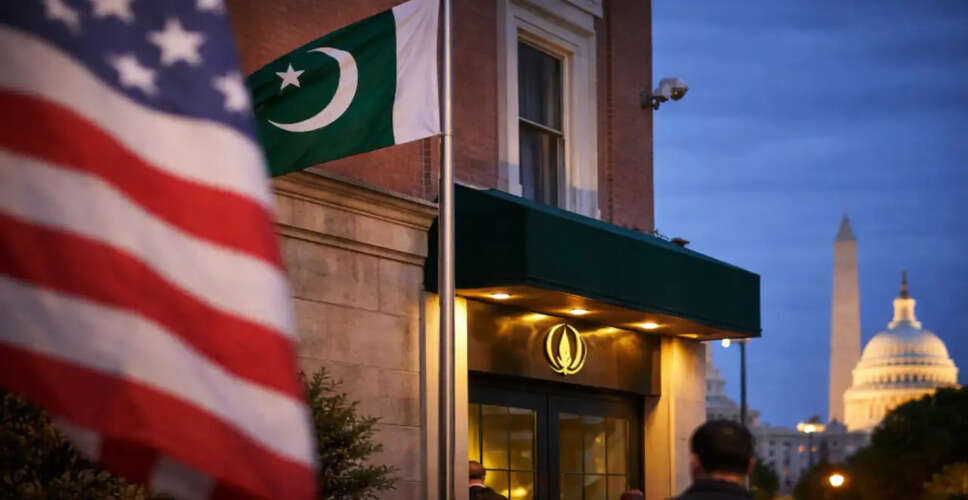
Iran's Diplomatic Presence in Washington
Located at 2209 Wisconsin Avenue NW, the site is officially recognized as the Pakistani Embassy in the United States. However, it has also served a significant diplomatic purpose for decades, acting as Iran’s official channel to Washington. Until 2015, the Iranian Interests Section operated from this location, before relocating to a larger facility at 1250 23rd Street NW, Suite 200. Despite this move, the diplomatic arrangement remained unchanged, with Pakistan continuing to provide legal and diplomatic protection, thus becoming a vital intermediary between Tehran and Washington.
Historical Context of the Diplomatic Arrangement
A Diplomatic Arrangement Born Out of Crisis
This unique diplomatic setup originated after the 1979 Iranian Revolution, which led to the seizure of the U.S. Embassy in Tehran and a 444-day hostage crisis. Following the severance of diplomatic relations in April 1980, both nations sought a workaround through the 1981 Algiers Accords, which allowed each country to maintain an 'interests section' in the other's capital, facilitated by a neutral third party. The U.S. operates in Iran via the Swiss Embassy, while Iran initially had its interests represented in Washington by Algeria. However, in March 1992, Pakistan took over this role after Algeria withdrew its representation.
Pakistan's Role as a Diplomatic Bridge
Pakistan: The Silent Diplomatic Bridge
Currently, Iran’s Office for the Protection of the Interests of the Islamic Republic of Iran continues to function from its address on 23rd Street. Although it has its own entrance and staff, it remains legally associated with the Pakistani Embassy, which provides necessary diplomatic cover and protocol support. This arrangement allows Pakistan to act as a custodian of communication, facilitating even minimal official exchanges between Iran and the U.S. This role is particularly crucial amid ongoing geopolitical tensions, with reports indicating that Pakistan, alongside nations like Qatar and Egypt, has been exploring mediation in regional conflicts involving Iran, Israel, and the U.S.
Operational Aspects of the Iran Interests Section
How the Iran Interests Section Functions
The Iran Interests Section operates similarly to an embassy and consulate, catering to approximately 1.5 million Iranians and individuals of Iranian descent in North America. Its key responsibilities include:
- Issuing and renewing passports and national ID documents
- Registering births, marriages, and divorces
- Managing student and legal documentation
- Providing notarial services
- Communicating official Iranian government positions
The office also maintains the website daftar.org, which assists Iranian-Americans. Despite rising tensions and military escalations involving Iran, the section has continued its operations, issuing public notices to assure continuity of services.
Staffing and Diplomatic Immunity
Staffing and Oversight
Reports indicate that only the head of the mission enjoys full diplomatic immunity, while other staff members, often dual nationals or U.S. residents, perform strictly consular functions. This arrangement has faced scrutiny, with allegations of misconduct and isolated disciplinary actions against staff in recent years, yet the overall structure has remained stable.
Strategic Importance of Pakistan's Role
Strategic Leverage for Islamabad
Pakistan’s position as a 'protecting power' provides it with a unique diplomatic advantage, allowing direct and sustained access to Iranian officials in Washington, despite the lack of formal U.S.-Iran relations. This situation enables Islamabad to:
- Maintain relationships with Saudi Arabia, Iran’s regional adversary
- Simultaneously preserve a diplomatic channel for Tehran in the U.S.
The Significance of the Iran Interests Section
An Unassuming Office, A Critical Link
In a city characterized by grand embassies and overt displays of power, the Iran Interests Section remains understated and often overlooked. Nevertheless, it serves as Tehran’s sole official presence in the United States. Even amidst conflict and strained relations, this discreet office continues its essential work, processing documents, assisting citizens, and maintaining a fragile yet vital diplomatic connection.