
The Rising Concern of Internet Addiction in Children
Understanding Problematic Internet Usage
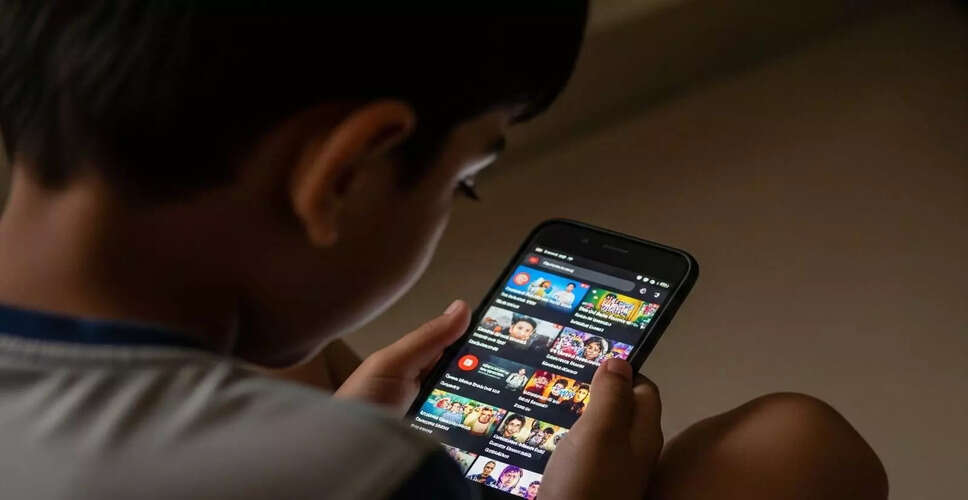
In the current digital landscape, distinguishing between healthy online interaction and internet addiction is becoming increasingly challenging, particularly for children. With screens often acting as substitutes for parental supervision and the internet evolving into a vast playground, many young individuals are succumbing to Problematic Internet Usage (PIU), raising alarms among psychologists, educators, and parents.
PIU encompasses excessive engagement with social media, online gaming, and even compulsive scrolling, and it is alarmingly prevalent among children as young as ten. Experts caution that the likelihood of negative experiences escalates with age and increased access to digital devices.
Parental Insights on Screen Time
Moni Deka, a resident of Nabin Nagar, shared her concerns, stating, “My children are deeply engrossed in their phones and the internet. They enjoy watching shows like Cocomelon and are also active on YouTube and social media. It’s challenging to limit their screen time without facing resistance.”
Psychologists have linked PIU to various psychological and behavioral issues. Children exhibiting signs of PIU are at a higher risk for depression, anxiety, sleep disturbances, attention deficits, and in severe cases, suicidal thoughts.
According to the Kids Rights Index 2025, over 14% of children worldwide are grappling with mental health issues, a situation exacerbated by unchecked digital exposure.
Physical and Social Implications of PIU
Beyond mental health, PIU can lead to physical problems such as musculoskeletal strain, vision impairments, decreased physical activity, and poor sleep quality. Socially, it can result in withdrawal from family interactions, strained relationships, and disruptions in daily life.
As screen time becomes more entrenched in children's routines, experts emphasize the importance of cultivating healthier digital habits and maintaining open lines of communication within families.
Expert Opinions on Screen Time

A 2024 survey conducted by the National Council for Digital Wellbeing revealed that over 62% of Indian children aged 8 to 16 exceed the recommended two hours of daily screen time, with many spending more than five hours online.
Psychologist Anshuman Phukan notes, “While it’s easy to blame technology, it’s essential to recognize that these tools are integral to our lives. However, parental neglect regarding technology exposure during critical developmental years is concerning.”
Dr. Anuj Malhotra, a pediatric ophthalmologist, reports a surge in cases of digital eye strain and early-onset myopia among children, with many as young as seven requiring prescription glasses due to screen-related visual stress.
The Role of Parents in Managing Screen Time
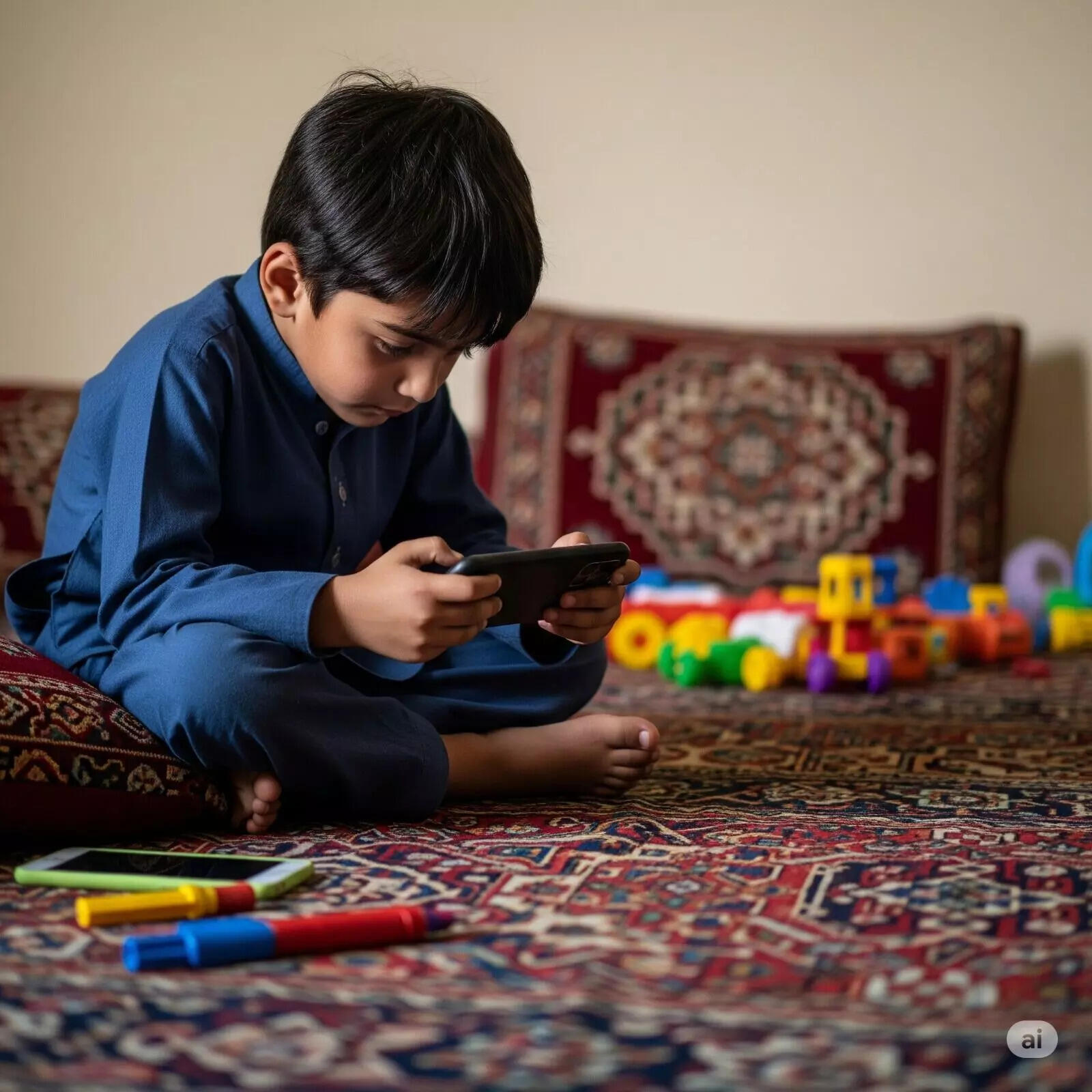
Experts suggest that a significant factor contributing to PIU is not merely parental neglect but a form of digital detachment. Prity Agarwal, a teacher, observes, “Parents are often preoccupied with their screens, leading to a household dynamic where everyone is physically present yet mentally absent.”
Devices are frequently used to pacify children during meals or travel, which, while convenient, can hinder essential cognitive and emotional development opportunities that arise from real-life interactions.
Addressing the Issue of PIU
The repercussions of PIU extend into educational settings, with teachers noting a decline in students’ focus and engagement. Children accustomed to rapid online content may struggle with the slower pace of classroom learning.
Socially, communication skills are deteriorating, leading to concerns about raising a generation that is technologically adept but emotionally stunted. Agarwal warns that excessive screen time can lead to anxiety, attention issues, and disrupted sleep patterns.
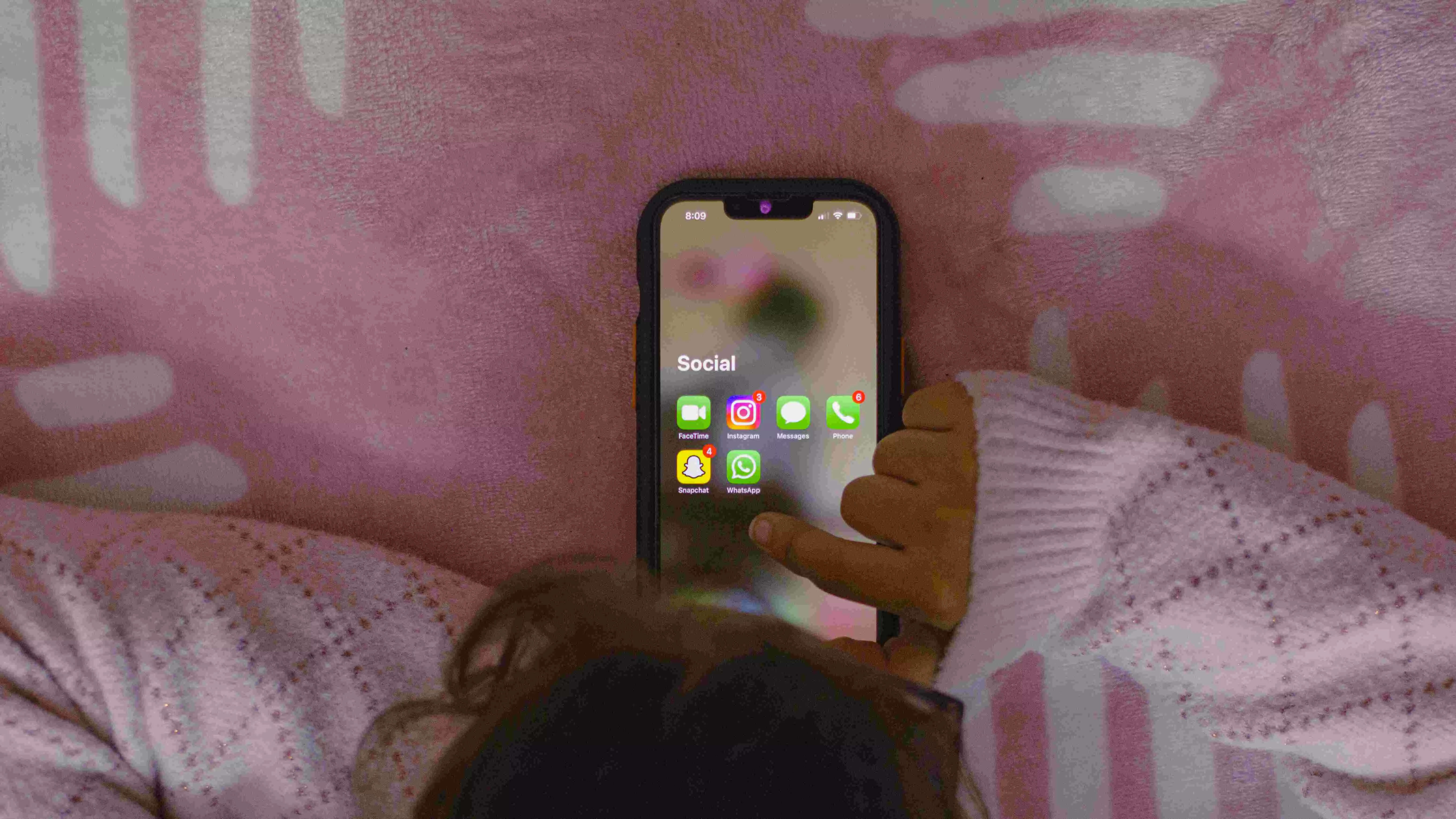
Experts recommend balanced screen time, parental involvement, and structured routines. Dr. Malhotra advocates for the “20-20-20 rule,” suggesting that every 20 minutes of screen use should be followed by a 20-second break to look at something 20 feet away.
Conclusion
Educator Prity Agarwal encourages digital detox weekends and screen-free family time, emphasizing that the goal is not to vilify technology but to promote responsible usage. She stresses the importance of early intervention for children showing signs of withdrawal or irritability when offline.
As Problematic Internet Usage among children continues to escalate, it poses a significant public health challenge intertwined with mental health and family dynamics. The responsibility to protect children’s well-being must start at home, with parents and caregivers taking the lead.
Final Thoughts
Experts highlight the necessity for balanced screen time, active parental engagement, and structured routines to combat the rise of PIU.