
The Rise and Fall of Khaleda Zia: A Political Journey from India to Bangladesh
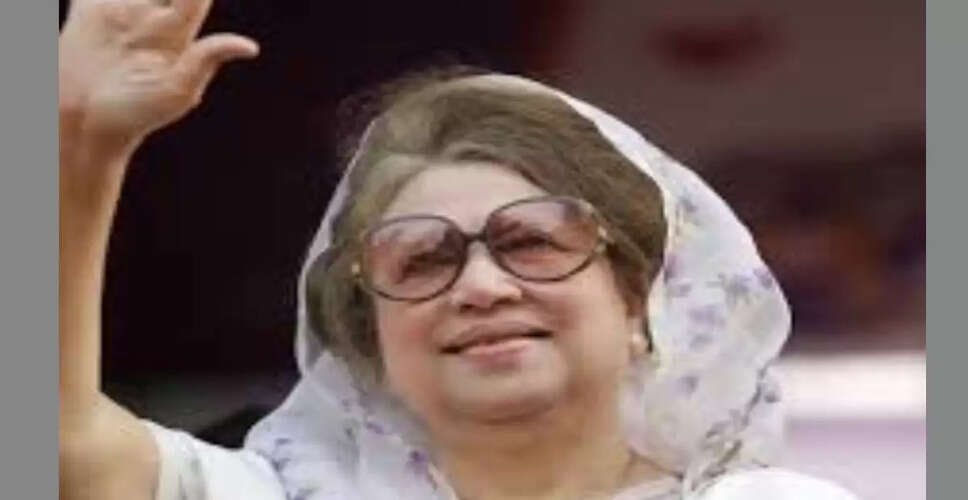
Khaleda Zia: A Political Legacy
Sunil Chadha
The political saga of Khaleda Zia, the former Prime Minister of Bangladesh, mirrors the tumultuous history of the subcontinent. Born in pre-Partition India, she served as the leader of Bangladesh on two occasions before being ousted amid widespread protests and accusations of corruption and authoritarianism.
Her transformation from a modest homemaker to a powerful political figure is one of the most fascinating narratives in South Asia's political landscape.
From Humble Beginnings to Political Power
Khaleda Zia was born in 1945 in the Jalpaiguri district, which was part of West Bengal at the time. Her birth name was Khaleda Khanam ‘Putul’. After the Partition, her family relocated to Dinajpur in what became East Pakistan. In 1960, she married Ziaur Rahman, an army officer whose future presidency would significantly influence Bangladesh's political trajectory.
For many years, Khaleda stayed away from the political spotlight, even after her husband assumed the presidency in 1977, earning a reputation as a reserved First Lady with no apparent political aspirations.
Political Ascendancy and Challenges
Her political journey began in earnest following her husband's assassination, as she took the helm of the Bangladesh Nationalist Party (BNP) to oppose military-backed governments. During her first term as Prime Minister from 1991 to 1996, she implemented market reforms and sought to restore parliamentary democracy, although her relationship with India remained tense.
Her second term from 2001 to 2006 was marked by controversy. With support from Islamist groups like Jamaat-e-Islami, her administration faced backlash for rising extremism and diminishing freedoms, with allegations that Bangladesh was becoming a refuge for anti-India militants.
The Downfall: Protests and Legal Battles
By 2006, widespread protests demanding electoral reforms forced Khaleda to resign, leading to an interim government and new elections. The BNP suffered a significant defeat in 2008 against Sheikh Hasina’s Awami League, a setback from which the party struggled to recover.
Subsequent legal troubles ensued. In 2018, she was convicted on corruption charges and spent years battling health issues while incarcerated. Although she was released on medical grounds and granted a formal pardon following political shifts in 2024, she never returned to the political arena.
Khaleda Zia's exit from power not only marked the end of her government but also signified the decline of a leader who once epitomized Bangladesh's fight against authoritarianism, ultimately undone by the very democratic forces she had once championed.