
The Remarkable Journey of SpaceX: From Doubt to Dominance in the Space Industry
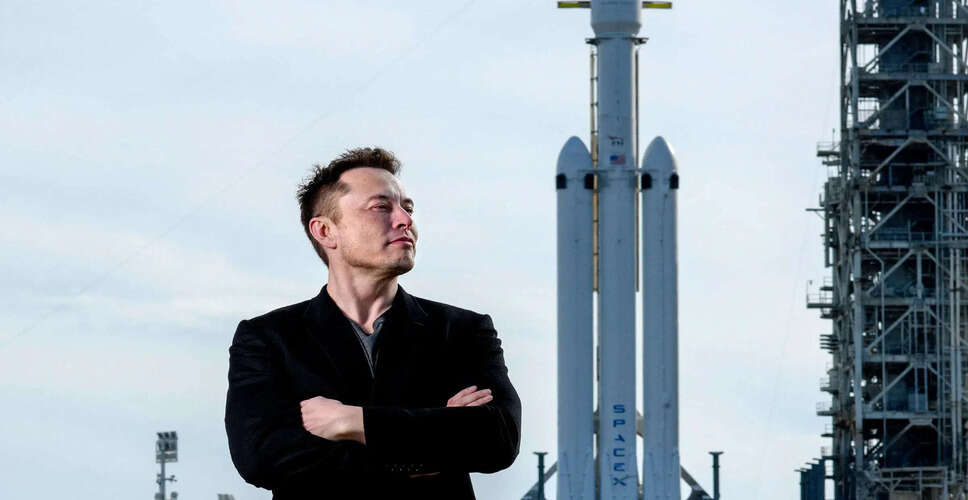

SpaceX's Evolution: A Journey of Innovation
When Elon Musk founded SpaceX in 2002, even his closest allies were skeptical about its survival. Fast forward over twenty years, and the aerospace company has emerged as a powerhouse, boasting a valuation of $2 trillion and solidifying its role in the global space sector. Musk himself acknowledged the daunting odds, recalling that he estimated less than a 10% chance of success at the outset. 'I thought it would probably fail, but it was worth trying,' he stated during a talk at SpaceX’s Starbase in Texas.
Initial Doubts
The inception of SpaceX stemmed from Musk's fascination with space exploration, which ignited after he sold PayPal. He initially contemplated sending a small greenhouse to Mars to spark public interest in space travel. However, upon realizing the exorbitant costs of existing launch vehicles, Musk decided that constructing rockets himself might be a more feasible approach. This choice was met with skepticism from industry veterans who deemed private spaceflight too costly and impractical.
Overcoming Early Challenges
SpaceX encountered numerous hurdles in its formative years. The inaugural rocket, Falcon 1, faced several launch failures, placing immense financial strain on the startup. After multiple unsuccessful attempts that nearly led to its downfall, Falcon 1 finally achieved orbit on its fourth launch in 2008, marking a pivotal moment for the young company. This success opened doors to significant contracts with NASA, including the development of the Falcon 9 rocket and Dragon spacecraft for cargo missions to the International Space Station.
Establishing Market Leadership
In the subsequent decade, SpaceX revolutionized the economics of space travel by drastically reducing launch costs and pioneering reusable rocket technology. The company further expanded its portfolio with Starlink, a satellite internet service aimed at providing global broadband access. Starlink has since become a crucial revenue stream for SpaceX. As its launch capabilities advanced, SpaceX secured a commanding share of the commercial rocket market, becoming a vital partner for both governmental and private space endeavors.
Aiming for Mars
While enhancing its commercial operations, Musk has remained focused on his long-term goal of establishing a human settlement on Mars. In 2016, SpaceX introduced plans for Starship, a fully reusable spacecraft designed to transport astronauts and cargo to the Moon, Mars, and beyond. Although the development has faced delays and technical challenges, recent test flights indicate significant progress toward operational missions. The company is continuously refining the spacecraft through a series of experimental launches to validate its design and functionality.
Shaping the Future of Space Economy
SpaceX’s expansion has significantly influenced the global space industry, fostering new investments and accelerating innovation. Advocates argue that the company is laying the groundwork for a new era of space commerce, akin to how railroads and highways facilitated economic growth on Earth. From a startup that many predicted would fail to a trillion-dollar enterprise, SpaceX’s journey is one of the most extraordinary narratives in business and engineering of the 21st century.