
The Myth of Yama: Understanding the God of Death
This article explores the intriguing mythology surrounding Yama, the God of Death, and his relationship with a devotee named Amrit. It delves into the eternal laws of life and death, illustrating how Yama communicates vital signs of mortality through physical changes. Discover the profound lessons embedded in this ancient tale, which serves as a reminder of the inevitability of death and the importance of recognizing its signs. Join us as we unravel the captivating narrative of Yama and Amrit, shedding light on the deeper meanings of life and death in Hindu beliefs.
| Apr 7, 2026, 10:18 IST
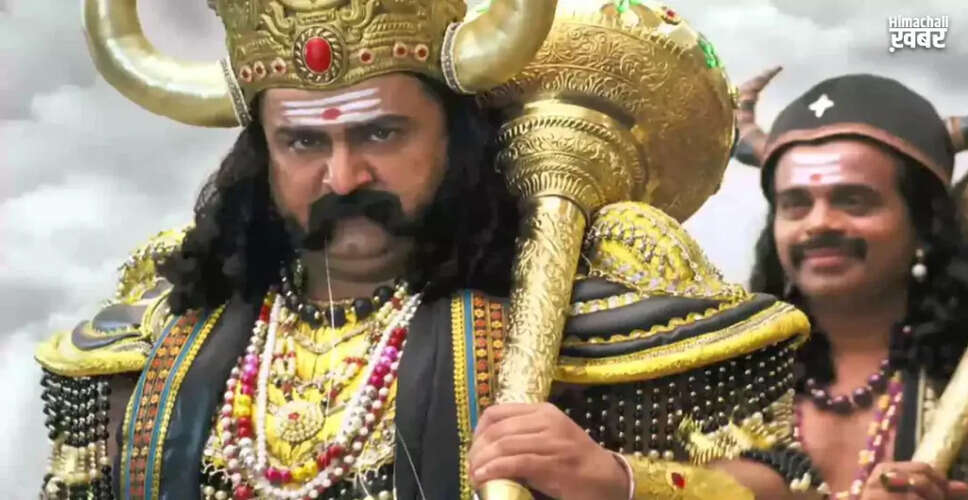
Yama: The God of Death
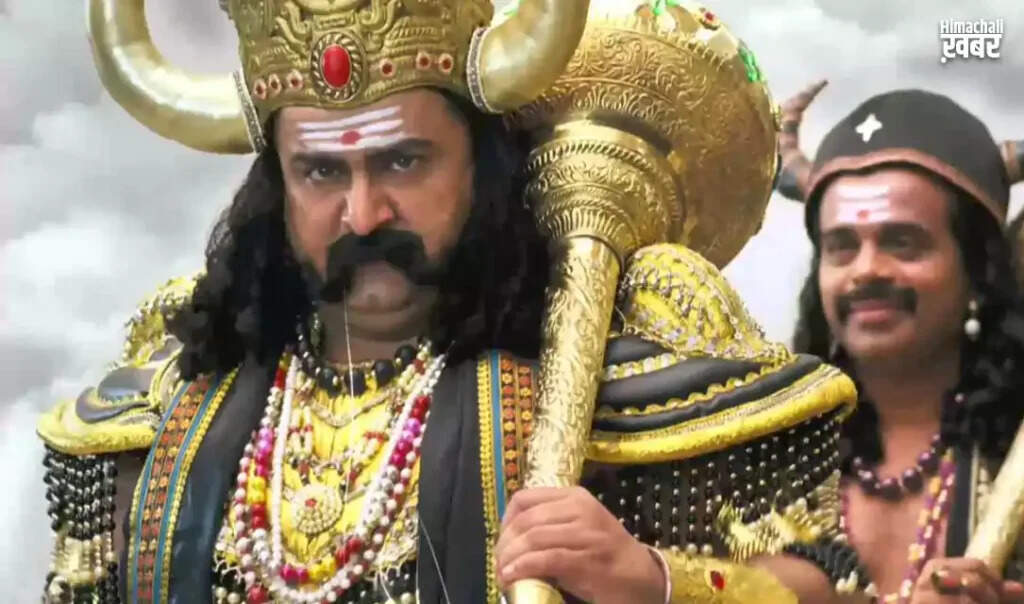
Yama is here – The God of Death
- There are certain rules that everyone must adhere to, regardless of their status, whether they are extraordinary individuals or ordinary people. Just as humans are bound by the laws of creation, even deities must follow these rules. This is why even Lord Ram and Lord Krishna had to be born and die on this earth. In this single life, every person strives to fulfill numerous dreams and desires. Life often gets consumed in the pursuit of these dreams, causing us to forget that death will eventually knock on our door.
- Notably, Yama, the deity of death, is recognized as the guardian of the southern direction in Hindu mythology. According to ancient texts, Yama was the first being to experience death. Based on this precedence, Lord Shiva appointed him as the ruler of the deceased.
- It is believed that during the moment of death, Yama's messengers arrive on Earth to escort the soul to the gates of heaven or hell, where the soul is reprimanded for its deeds. The judgment is based on the good and bad actions performed during its lifetime.
- In Yamalok, Yama decides the fate of souls based on their actions. Ancient scriptures mention that Yama promised his devotee Amrit that he would send a notification before anyone's death, allowing them to complete their unfinished tasks.
The Tale of Yama and Amrit
The Incredible Story of Yama and Amrit
- Once upon a time, there lived a man named Amrit by the banks of the Yamuna. He devoted himself to worshiping Yama day and night, constantly haunted by the fear of death. To keep death at bay, he sought friendship with Yama.
- Impressed by Amrit's devotion, Yama appeared before him. Amrit wished to ask for immortality, but Yama explained that everyone born must eventually die; this is the eternal law. Amrit, grateful for the encounter, requested that if death could not be avoided, he at least be informed when it was near, so he could make arrangements for his family.
- Yama agreed to notify Amrit before his death. In return, Yama asked Amrit to promise that he would prepare for his departure as soon as he received the signal. After this, Yama vanished. Years passed, and Amrit, reassured by Yama's promise, abandoned his austerities and began living a life of luxury, forgetting his fear of death. Gradually, his hair turned white.
- As time went on, his teeth fell out, and his eyesight weakened. Yet, he received no message from Yama. More years passed, and he became bedridden, his body paralyzed. Still, he silently thanked his friend Yama for not sending any message about his death.
The Signs of Death
- First Sign: Hair turning white.
- Second Sign: Teeth falling out.
- Third Sign: Deterioration of senses.
- Fourth Sign: Stooping posture.
- One day, he was astonished to see Yama's messengers nearby. Distressed, he searched his home for a letter from Yama but found none. Upon reaching Yamalok, he saw Yama smiling. He accused Yama of betrayal.
- Amrit exclaimed, 'You deceived me! You promised to inform me before my death, yet I received no message. Aren't you ashamed of betraying your friend?'
- Yama replied humbly, 'I sent you four messages, but your greed and indulgent lifestyle blinded you. You foolishly thought I would send you a written note. Your physical changes were my messages, and time was my messenger. The first sign was when your hair turned white. The second was when your teeth fell out. The third was when you lost your vision, and the fourth was when your body ceased to function. Yet, you failed to recognize any of these signs.'