
The Legacy of Wagh Bakri Tea: A Journey from South Africa to India


Introduction to Wagh Bakri Tea
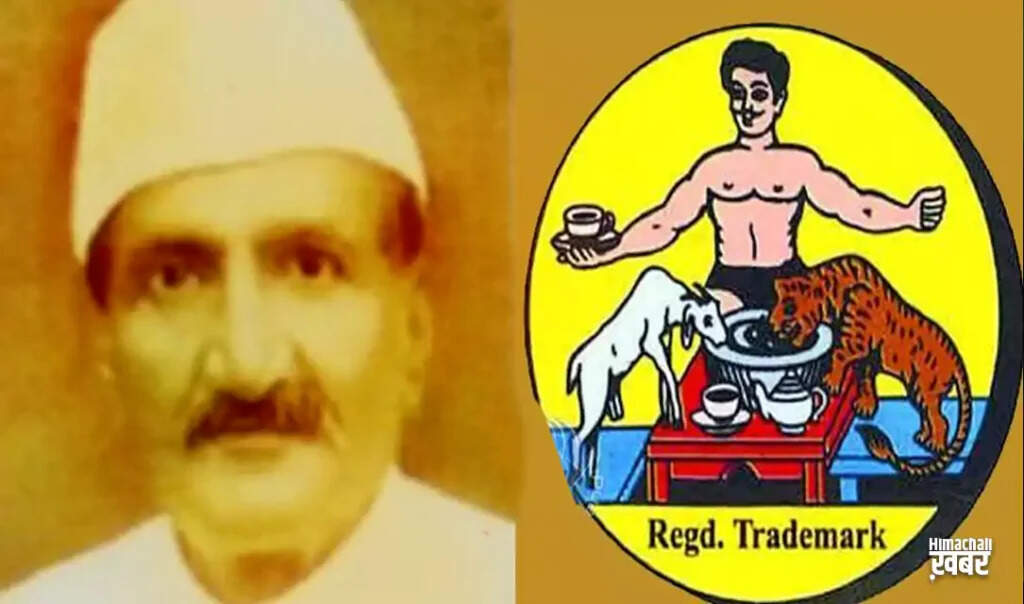
Wagh Bakri Tea is a well-known brand enjoyed by millions across the country. The company was founded in 1934 by Naran Das Desai, who returned to Gujarat from South Africa to establish this tea business. Initially, he ventured to South Africa to engage in the tea trade, where he acquired a 500-acre tea estate. However, due to the oppressive British regime and racial discrimination, he decided to return to India.
Inspiration from Mahatma Gandhi
Naran Das Desai regarded Mahatma Gandhi as his role model. Upon returning to India, he carried with him some belongings and a letter written by Bapu, which served as a certificate. This letter, dated February 12, 1915, praised Desai and acknowledged his success as a tea estate owner in South Africa. It facilitated his entry into the tea business in Gujarat.
Establishment of Gujarat Tea Depot Company
After returning to his home state of Gujarat, Desai re-entered the tea trade. In 1915, he founded the Gujarat Tea Depot Company, which was later renamed Wagh Bakri in 1934. Gradually, this brand gained immense popularity throughout India.
The Iconic Logo
The logo of Wagh Bakri Tea was distinctive and became quite famous. It depicted a tiger and a goat sharing a cup of tea, symbolizing unity and harmony. The term 'Wagh' means tiger in Gujarati, which is why the logo features this term instead of the English word. This emblem represents social unity, showcasing both the upper and lower classes enjoying tea together.
Global Presence and Business Growth
Today, Wagh Bakri operates 15 tea lounges across India, and its products are exported to countries like the USA, Canada, the Middle East, Europe, Australia, New Zealand, Fiji, Malaysia, and Singapore. As of March 2021, exports contributed 5% to the company's total sales.

Currently, Wagh Bakri boasts a turnover exceeding ₹1,500 crores and distributes over 40 million kilograms of tea leaves. From Rajasthan to Goa and Karnataka, Wagh Bakri Tea is consumed across India, employing around 5,000 people and establishing itself as a prominent brand in the country.