
The Legacy of Ranchhor Das 'Paagi': Remembered by a War Hero
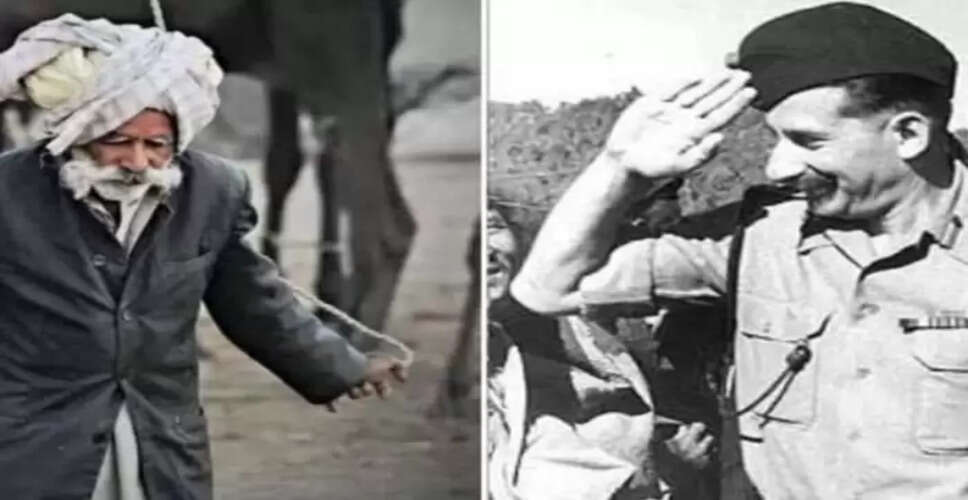

A Tribute to Ranchhor Das 'Paagi'
Ranchhor Das 'Paagi' is a name that resonates deeply with the legacy of General Sam Manekshaw, the former Chief of the Indian Army, who is fondly remembered for his pivotal role in India's victory over Pakistan in the 1971 war. Manekshaw was also a veteran of World War II, and his full name was Hormuzji Framji Jamshedji Manekshaw, though he was affectionately known as 'Sam Bahadur' due to his bravery.
Born on April 3, 1914, in Amritsar, Manekshaw became the first Indian Army General to be promoted to the rank of Field Marshal, a testament to his courage and leadership. His interactions with Prime Minister Indira Gandhi during the war are legendary, particularly his refusal to address her as 'Madam,' opting instead for 'Prime Minister' to maintain a sense of equality.
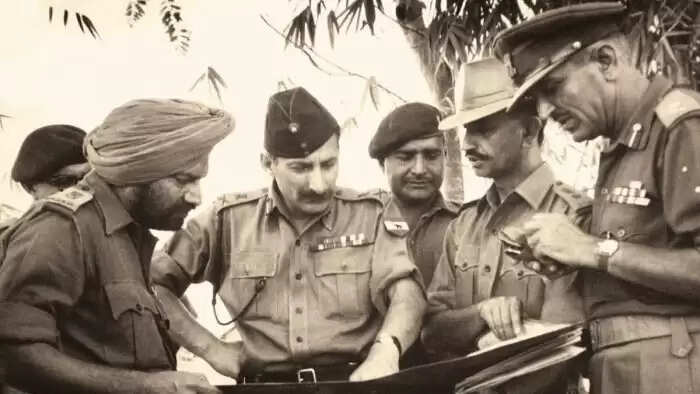
One remarkable story from Manekshaw's life recounts an incident during World War II when he was shot seven times by a Japanese soldier in Burma. He survived thanks to a fellow soldier who carried him to safety.
As Manekshaw reflected on his life in his final days, the name Ranchhor Das 'Paagi' frequently crossed his lips, prompting curiosity about who this individual was and why he held such significance for the General.
The Unique Skills of Ranchhor Das 'Paagi'
Ranchhor Das 'Paagi' was born into a humble family in Gujarat, near the Pakistan border. His family raised sheep, goats, and camels, and he spent his childhood in this environment. At the age of 58, his life took a dramatic turn when he was appointed as a police guide by the Superintendent of Police, Vanraj Singh Jhala, due to his exceptional skills.
Paagi had a unique talent for reading footprints, allowing him to determine the number of people riding a camel and even estimate their weight and age based on their footprints. His accuracy in these assessments earned him a place in the Indian Army as a scout.
Before the 1965 India-Pakistan war, the Pakistani army had occupied several villages in the Kutch region. The Indian Army tasked Paagi with locating the enemy forces, which he accomplished with remarkable success.
Paagi's Contributions to the Indian Army
During his mission, Paagi successfully identified around 1,200 hidden Pakistani soldiers, enabling the Indian Army to reach their destination 12 hours ahead of schedule. General Manekshaw personally selected Paagi for this mission and even created a special title for him, 'Paagi,' which means a guide skilled in reading footprints.
Paagi played a crucial role not only in the 1965 war but also in the 1971 conflict, where he was responsible for guiding troops and transporting ammunition to the front lines. His contributions were instrumental in the victory at 'Palinagar,' where the Indian flag was raised.
In recognition of his service, Manekshaw awarded Paagi a cash prize of 300 rupees from his own pocket, along with several medals, including the Sangram Medal and the Police Medal.
The Final Years of Ranchhor Das 'Paagi'
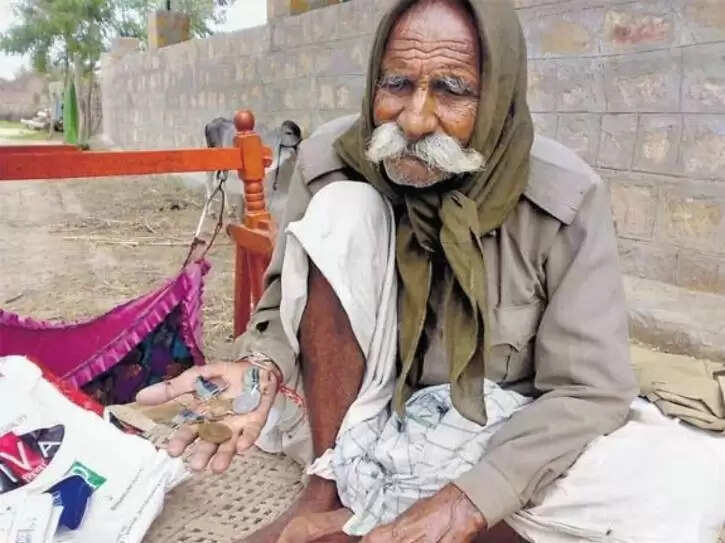
Paagi retired from the army in 2009 at the age of 108, passing away at 112 in 2013. His extensive experience and contributions to the nation are remarkable.
In a historic move, a border has been named after him, the Ranchhor Das 'Paagi' border near Suigram in the Kutch Banaskantha region, where a statue has also been erected in his honor. Despite his significant contributions, it seems that the younger generation has largely forgotten such a revolutionary figure. This is the story of a 'Paagi' who was remembered by a military chief until his last breath.