
The Lasting Impact of the 26/11 Mumbai Attacks on Global Terrorism
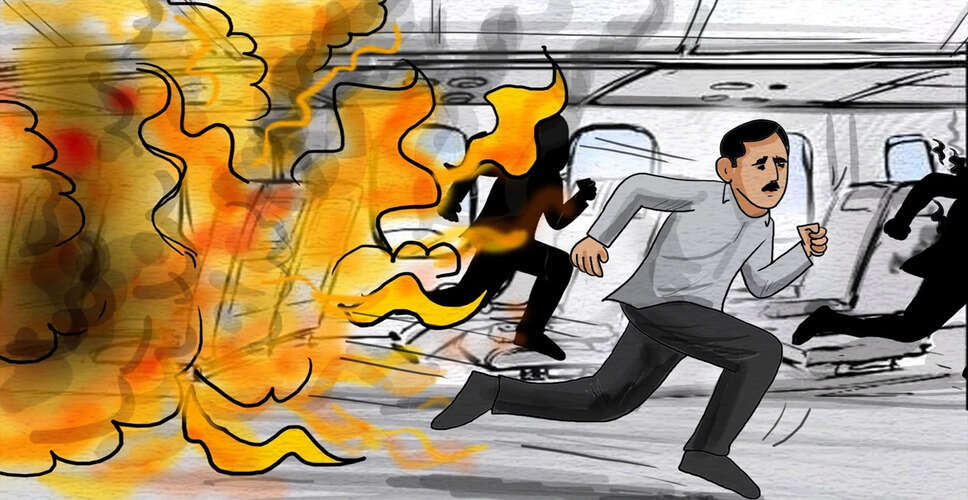
26/11: A Turning Point in Terrorism
Prior to the 26/11 attacks, most terrorist incidents followed a predictable pattern—bombings, shootings, or suicide attacks aimed at causing maximum casualties in a short time. However, the events in Mumbai shattered this norm. The assault was not confined to a single moment; instead, it held the city hostage for nearly 60 hours. Coordinated attacks across various locations created a continuous atmosphere of fear, confusion, and chaos. It became evident that terrorism had evolved to include not just violence but also the timing of attacks as a strategic weapon.
The Night of November 26: A 60-Hour Ordeal
The attacks on November 26, 2008, marked a pivotal moment in the evolution of modern terrorism. This incident was not merely an act of mass violence; it showcased a new operational model. This model transformed small groups of attackers into strategic weapons capable of crippling major cities. In retrospect, the attack not only foreshadowed future assaults in the West but also effectively established a blueprint for urban terrorism worldwide.
From Mumbai to Paris: The Duration of Attacks as a Weapon
Before 26/11, terrorist attacks typically adhered to a set pattern—bombings or shootings aimed at maximizing casualties quickly. The Mumbai attacks broke this mold, as they were not limited to a single moment but instead involved a pre-planned strategy that held the city hostage for almost 60 hours. The simultaneous assaults across different parts of the city maintained a constant state of fear and chaos. This model was later mirrored in Western countries, notably during the 2015 Paris attacks, where cafes, concert halls, and stadiums were targeted, plunging the city into a prolonged security crisis.
A New Formula for Terror: Ten Attackers, One City Paralyzed
The most significant lesson from 26/11 was its lethal efficiency. Just ten attackers, operating in small teams, not only overwhelmed local police but also posed challenges to special forces on multiple fronts. Consequently, the world's attention remained fixated on Mumbai for days. This was a clear message: large networks or hundreds of fighters were no longer necessary for terrorism. The real strength lay in training, coordination, and a clear objective. This approach was later evident in the suicide attacks that occurred in Europe.
Media Coverage: A Double-Edged Sword for Terrorists
The Mumbai attacks also revealed how modern terrorism could exploit live media coverage. Continuous reporting by television channels provided real-time updates on security deployments, casualties, and public reactions. It is believed that handlers located abroad monitored these broadcasts and used them to direct the attackers. Thus, violence was not only occurring on the ground but was amplified through screens, increasing its impact. In subsequent years, similar strategies were observed in terrorist attacks in Paris, Brussels, and other cities.
Targeting Hotels, Stations, and Cafes: A Strategic Choice
The selection of targets during 26/11 was a calculated strategy. Luxury hotels, busy railway stations, cafes, and a religious center were chosen not just for their potential for high casualties but also for their symbolic significance. These locations represented everyday life, global connectivity, and the essence of an open society. By attacking them, the terrorists aimed to convey that even normal life was no longer safe. This strategy later became a hallmark of suicide attacks in Western countries, demonstrating that the goal was not just to inflict damage but to undermine the public's sense of security.
A Prototype of Modern Urban Terrorism
Ultimately, the 26/11 Mumbai attack was not an isolated tragedy confined to India. It served as a prototype for modern urban terrorism, which was replicated across various continents in the years that followed. The strategies observed in the 2015 Paris attacks were not mere coincidences but indicators of an evolving form of terror. The world learned the lessons of 26/11 too late, as the script was written far from Western capitals. This is not the first instance in the history of terrorism; often, warnings are not fully understood until the threat resurfaces in another city.