
The Intriguing Life of Mata Hari: A Notorious Female Spy

The Enigmatic Spy
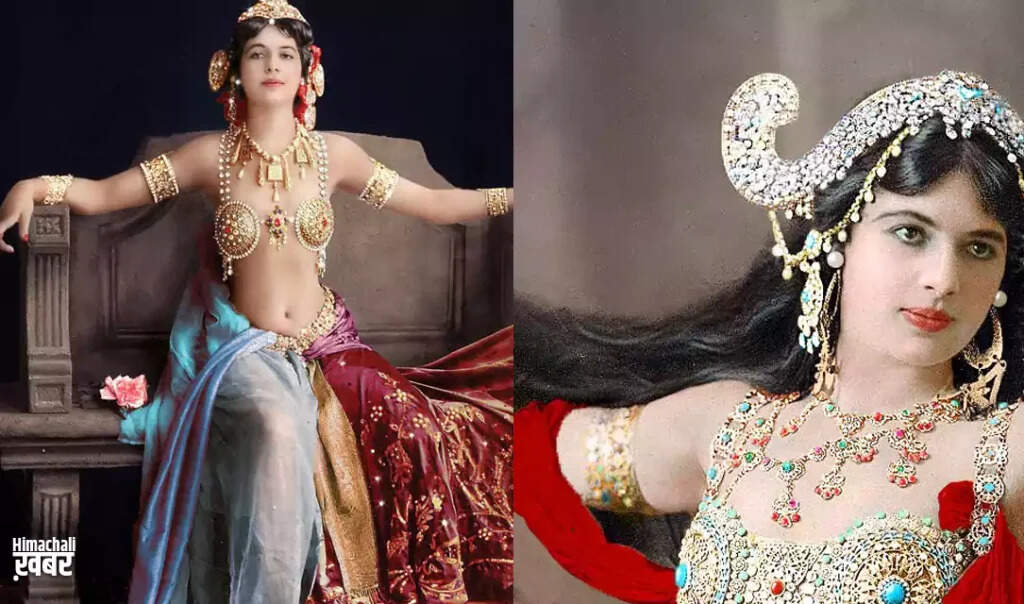
Becoming a spy is no simple task; it requires intelligence and courage. The profession is fraught with dangers, as adversaries can emerge at any moment. While discussions about famous spies often highlight male figures, today we focus on a remarkable woman who made her mark in the espionage world.
When it comes to renowned female spies, one name stands out above the rest. This woman, known for her beauty and sharp intellect, outshone many men in the field of espionage. We are referring to Mata Hari.
Born in 1876 in the Netherlands, Mata Hari was raised in Paris. Her real name was Gertrude Margarete Zelle. Not only was she an exceptional spy, but she was also a talented dancer, captivating many with her stunning looks. At first glance, no one would suspect her to be a dangerous spy.
During World War I, Germany approached Mata Hari with an offer to share intelligence for money, leading her to become a spy for them. However, some believed she operated as a double agent, providing information to both sides.
While traveling to Spain, she was detained by intelligence agencies at the Falmouth port in England, suspected of spying for Germany against France and Britain. Consequently, both French and British intelligence agencies arrested her.
With no solid evidence against her, she was accused of being a double agent and was executed by firing squad in France.
Even after her death, the mysteries surrounding Mata Hari did not fade. Her body was donated to a medical school in Paris for dissection, but her face later ended up in an anatomy museum, only to mysteriously disappear without a trace.
Although Mata Hari did not directly kill anyone, her espionage activities contributed to the deaths of 50,000 French soldiers. Her life inspired a Hollywood film in 1931, featuring actress Greta Garbo in the lead role.