
The Infamous Telgi Stamp Paper Scam of 2003: A Deep Dive
Overview of the Telgi Scam
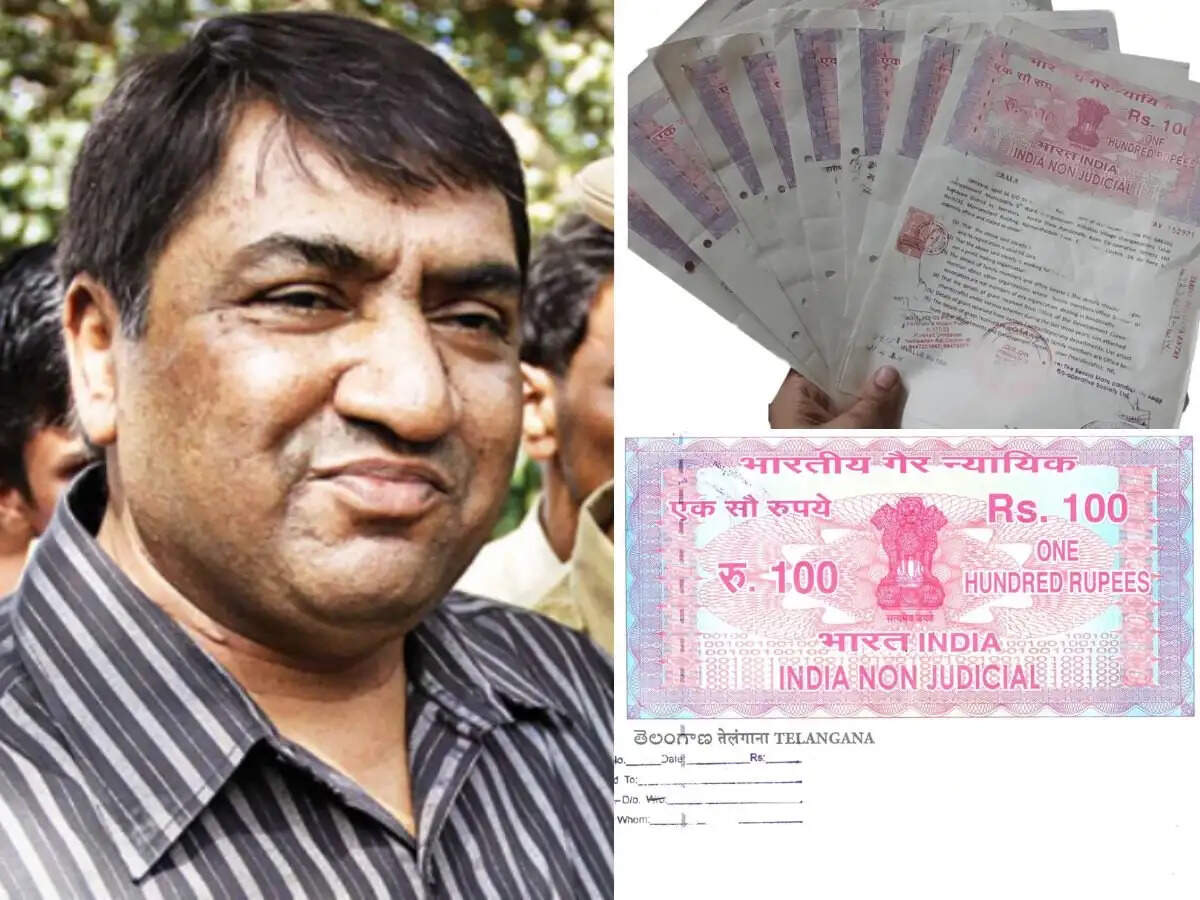
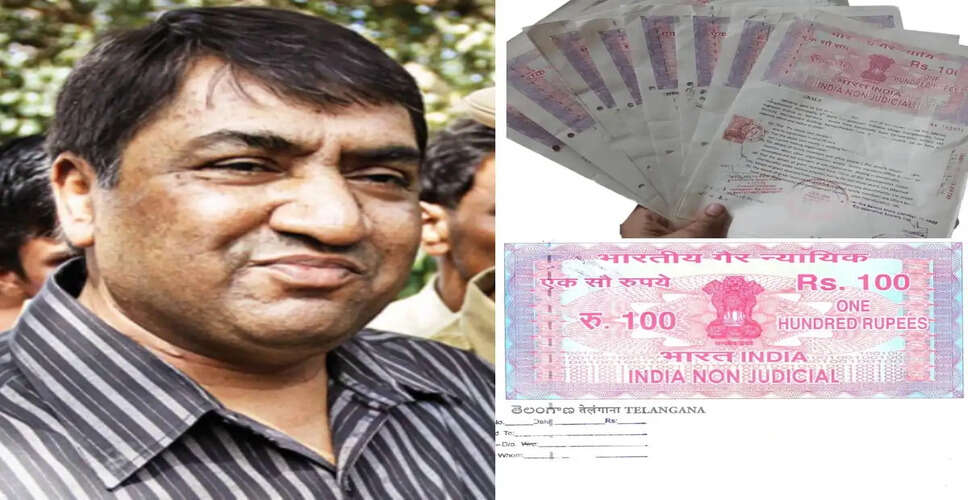
The story of the Telgi scam, which unfolded in 2003, revolves around a man who orchestrated a staggering ₹30,000 crore fraud that shook the Indian economy. Whenever discussions arise about the largest scams in the country, the name of Abdul Karim Telgi and his infamous scheme inevitably comes up. This massive fraud not only alarmed the government but also sent shockwaves through various official departments.
Who Was Abdul Karim Telgi?
Born in 1961 in the small town of Khanapur, Karnataka, near the Maharashtra border, Telgi faced hardships early in life after losing his father, who worked for the railways. To support himself, he took on various odd jobs, including selling food on trains. Eventually, he moved to Saudi Arabia in search of better opportunities, where he began creating fake documents and stamp papers. This venture led him down a path of crime, culminating in his arrest by immigration authorities in 1993. However, prison became a turning point for him, as he met Ram Ratan Soni, a stamp vendor from Kolkata, and together they devised a plan for a major scam.
The Criminal Partnership
Upon his release, Telgi ventured into creating fake passports and resumed his stamp paper forgery. By 1994, he had obtained a stamp vendor license with Soni's help, and they produced numerous counterfeit stamp papers. In India, stamp papers are essential for validating legal documents, sold through registered vendors at various prices. The revenue from these sales goes directly to the government.
The Scale of the Fraud
The 1992 Harshad Mehta scam had created a shortage of stamp papers, which Telgi exploited to his advantage. He began profiting from counterfeit stamps, but by 1995, his partnership with Soni ended, leading to the cancellation of his license. Nevertheless, Telgi continued his operations, hiring 300 MBA graduates and setting up a press on Mint Road. He acquired outdated machinery from the Indian Security Press in Nashik and distributed fake stamp papers across 70 cities in India.
Unraveling the Scam
The scam came to light in 2000 when two individuals were arrested in Bengaluru with counterfeit stamp papers linked to Telgi. He was apprehended in Ajmer in 2001. In response to public pressure, the Maharashtra government established a Special Investigation Team (SIT) to probe the matter. The investigation revealed the extensive nature of Telgi's fraud, implicating several government officials, although their names were never disclosed to the public.
Major Arrests and Legal Proceedings
In 2003, the SIT made significant arrests, including Anil Gote, a legislator from Dhule, and R.S. Sharma, a retired commissioner accused of protecting Telgi. A total of 54 individuals were arrested, including two legislators who faced expulsion from their party due to the allegations. The Central Bureau of Investigation (CBI) took over the case in 2004, filing a comprehensive charge sheet against Telgi later that year.
Sentencing and Death
In 2007, Telgi was convicted and sentenced to 30 years in prison along with a fine of ₹202 crore under the Maharashtra Organized Crime Control Act and Section 120 (criminal conspiracy). The court also sentenced 43 other accomplices, most of whom were individuals he had hired for selling the fake stamp papers. Before the verdict, Telgi reportedly confessed to his crimes after consulting his wife, Shahida.
Telgi suffered from severe health issues, including diabetes and high blood pressure, and passed away in 2017 due to multiple organ failure.