
The Impact of Media Trials on Justice in India: A Critical Examination

A Serious Question on Justice
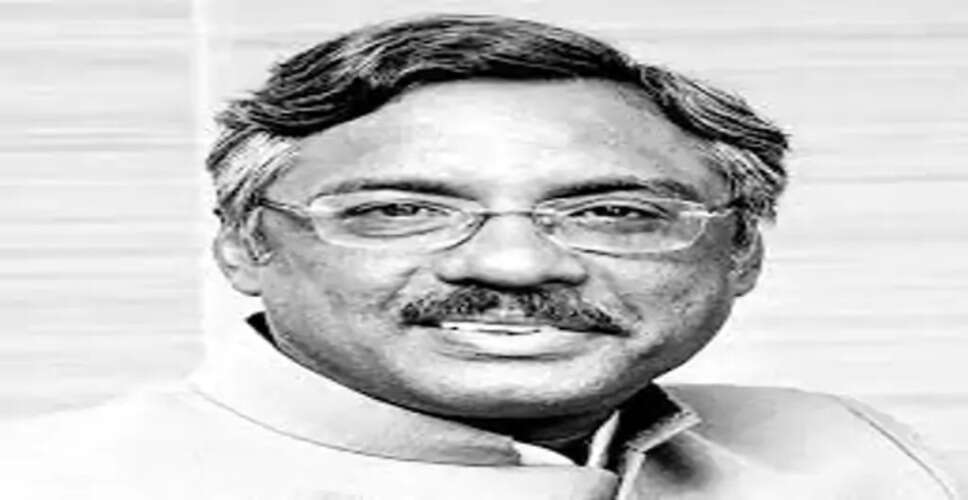
In a recent column, esteemed author, diplomat, and former MP Pavan K. Varma raised a crucial issue regarding the Indian justice system and society—should an individual be deemed guilty before a court has pronounced a verdict? This question transcends legal procedures, directly challenging the rising phenomenon of 'media trials', the mob mentality prevalent on social media, and public perception.
Eroding Lines Between Accusation and Punishment
Varma emphasizes that the cornerstone of democracy is faith in the judicial process. The Indian Constitution clearly states that no one should be considered guilty until proven so in a court of law. However, a troubling trend has emerged in recent years where individuals are labeled criminals the moment allegations are made.
He expresses concern that in many instances, before investigations conclude, television debates, social media trends, and public reactions can irreparably damage an individual's reputation. Often, by the time a court delivers its judgment, the accused has already faced social, political, and professional 'punishments'.
Questioning Media Trials
In his column, Varma also scrutinizes the role of the media. He argues that news channels and digital platforms frequently prioritize sensationalism over factual reporting. Ongoing investigations are often portrayed as if a verdict has already been reached.
Experts concur that the impact of 'media trials' can influence courts, investigative agencies, and societal perceptions, sometimes jeopardizing the integrity of impartial investigations.
Social Media and the Mob Mentality
According to Varma, social media exacerbates this issue. News that goes viral within seconds and incomplete information can shape public opinion. In many cases, individuals are deemed guilty without verifying the facts.
He warns that this 'digital mob justice' poses a dangerous threat to democracy, as emotions often overshadow facts. Once a person's reputation is tarnished, even if they are later acquitted, their social standing may never fully recover.
The Core Principle of Justice
The fundamental principle of the Indian justice system is that 'a person is innocent until proven guilty.' This principle safeguards civil rights and personal freedoms. Varma believes that if society begins to forget this tenet, emotional judgments will replace the rule of law.
He acknowledges the necessity for thorough investigations and stringent actions in serious crimes, but it is equally vital to ensure that an innocent person does not suffer social or mental penalties based solely on allegations.
A Warning for Democracy
Through his column, Varma attempts to convey that democracy is not merely sustained by elections but is strengthened by trust in institutions and processes. If society starts to label individuals as guilty before court rulings, it could undermine the credibility of the justice system.
In an era where news can spark national debates within minutes, it becomes increasingly important to question whether we can maintain the distinction between justice and sensationalism.
Pavan K. Varma's inquiry is not just a legal debate; it calls for serious reflection on the moral and democratic fabric of society.