
The Impact of Keir Starmer's Resignation on UK Politics
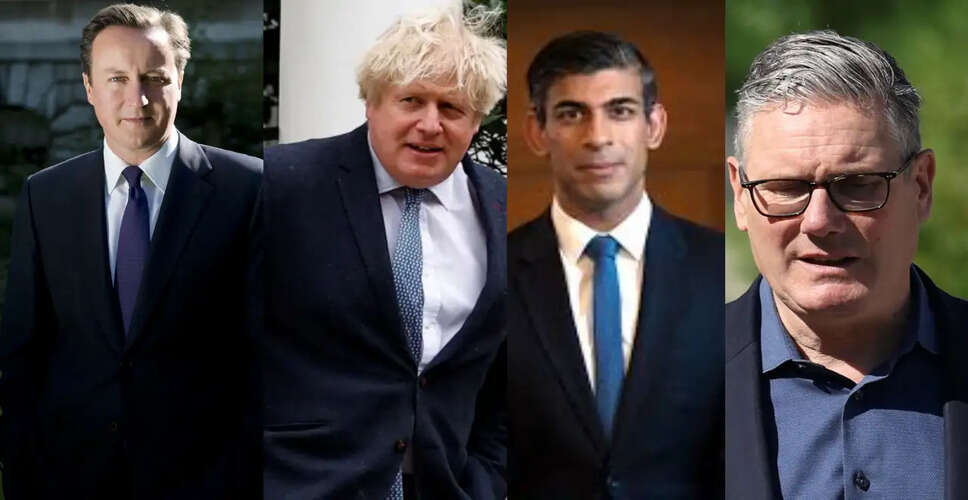

A New Chapter in British Politics
Keir Starmer's recent resignation signifies a pivotal moment in contemporary British politics, as the UK prepares to welcome its seventh prime minister in a decade—a level of political change not seen in recent history. Since the Brexit referendum in 2016, the nation has experienced a rapid succession of leaders from both major parties, reflecting ongoing political turmoil, economic challenges, and widespread voter dissatisfaction.
The Seven Prime Ministers Since Brexit1. David Cameron (2010–2016)
Cameron's time in office ended abruptly following the Brexit vote, which he had campaigned against. He resigned after the public chose to leave the EU on June 23, 2016.
2. Theresa May (2016–2019)
May faced the daunting task of executing the Brexit negotiations. After failing to gain parliamentary support for her proposed deal, she stepped down in 2019.
3. Boris Johnson (2019–2022)
Johnson secured a decisive election victory with a pledge to "Get Brexit Done." However, his tenure was marred by scandals, including the Partygate incident, leading to his resignation.
4. Liz Truss (2022)
Truss's time in office was the briefest in British history, lasting only 50 days. Her economic policies caused market instability and eroded confidence within her party.
5. Rishi Sunak (2022–2024)
Sunak assumed leadership during a period of economic uncertainty, aiming to restore faith after Truss's short term. Nevertheless, the Conservatives faced a significant defeat in the 2024 elections.
6. Keir Starmer (2024–2026)
Starmer brought Labour back to power after a 14-year hiatus, advocating for stability and economic revitalization. However, his leadership faced challenges due to sluggish economic growth and declining popularity, ultimately leading to his resignation.
7. The Next Leader (2026)
Labour is now tasked with selecting a new leader, who will become the seventh prime minister since the Brexit referendum. Notable candidates include Greater Manchester Mayor Andy Burnham, although the leadership race remains open.
In contrast to presidential systems, the UK's parliamentary democracy does not necessitate a general election following a prime minister's resignation. Voters elect Members of Parliament, and the majority party in the House of Commons selects its leader, who then becomes prime minister.
A Decade Marked by Political TurbulenceThe swift changes in leadership underscore the instability that has characterized British politics since Brexit. Since 2016, the UK has experienced leadership struggles, snap elections, economic crises, party dissent, and numerous changes at 10 Downing Street. With another leadership contest on the horizon, the UK is bracing for its seventh prime minister in ten years, marking yet another chapter in a tumultuous era of modern British political history.