
The Hidden Truth Behind Animal Slaughter in India


Overview of Slaughterhouses in India
India is home to approximately 3,600 licensed slaughterhouses, sanctioned by the government. In addition, there are over 35,000 smaller, illegal operations that continue to function without oversight.
Annually, around 40 million animals, including cows, buffaloes, pigs, goats, and camels, are slaughtered. However, there is no record of how many chickens are killed each year.
Products Derived from Animal Slaughter
After slaughter, meat is produced, which is consumed by a significant portion of the population. About 20% of Indians are non-vegetarian and consume various types of meat daily. Another byproduct is fat, known as tallow, which is derived from beef and pork.
This fat is primarily used in cosmetic creams such as Fair & Lovely and Ponds. Notably, a case was won in the Madras High Court against Fair & Lovely, where the company admitted to using pig fat in their products.
Blood and Its Uses
In slaughterhouses, blood is collected after the animals are hung upside down and their throats are cut. This blood is extensively used in the production of allopathic medicines. For instance, a popular medication called dexorange is made from animal blood and is often prescribed to women during pregnancy to address anemia.
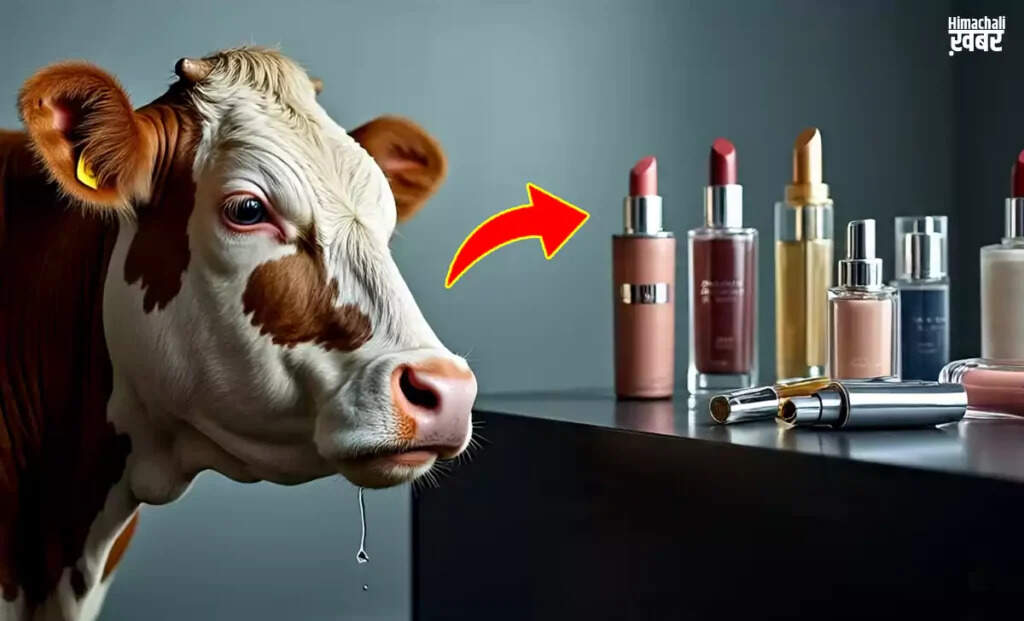
Additionally, blood is used in the production of lipsticks and even in some tea brands, where it is mixed with tea dust to enhance color.
Bone and Skin Utilization
Bones from slaughtered animals are processed into powder and sold to companies that manufacture toothpaste, shaving creams, and talcum powder. The skin is also utilized in making cricket and footballs, with calfskin being particularly favored for its softness.
Leather from these animals is also used in shoes, bags, and belts, contributing to a significant market.
The Broader Impact of Animal Products
The slaughter of animals yields five main products: meat, fat, blood, bones, and skin. These products are sold and used widely, creating a large market in the country.
Moreover, internal parts of animals, such as intestines, are processed into gelatin, which is used in ice creams, chocolates, and various food items, often without consumers realizing it.
Consumer Awareness and Ethical Considerations
Consumers are encouraged to be aware of the products they purchase and the ethical implications of their consumption. Many people may unknowingly consume animal products while identifying as vegetarians.
It is essential to critically evaluate advertisements and avoid products that may compromise personal beliefs or ethics.