
The Hidden Dangers of Your Toothbrush: What You Need to Know

The Importance of Dental Hygiene
Every morning, we begin our day by brushing our teeth, a practice essential for maintaining oral health. However, have you ever considered that the very toothbrush you rely on for cleanliness might pose a risk to your health?
Plastic Toothbrushes: A Risky Choice?
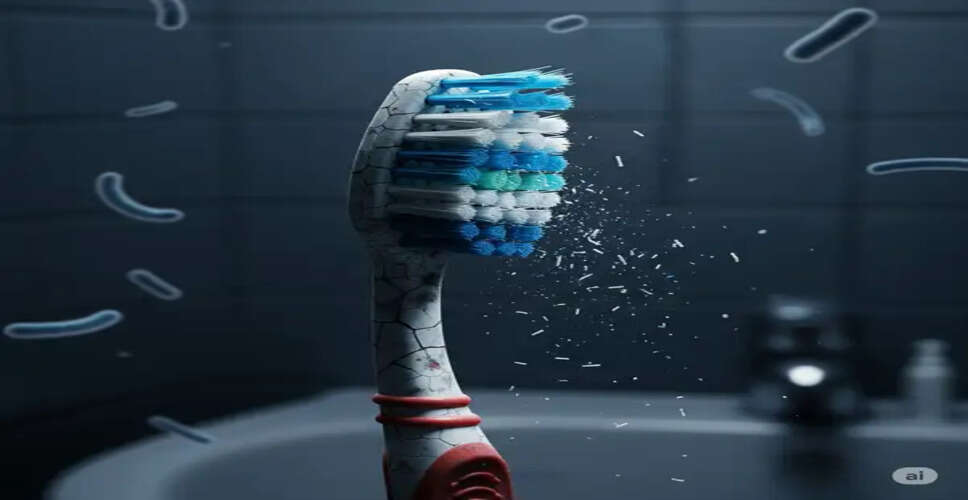
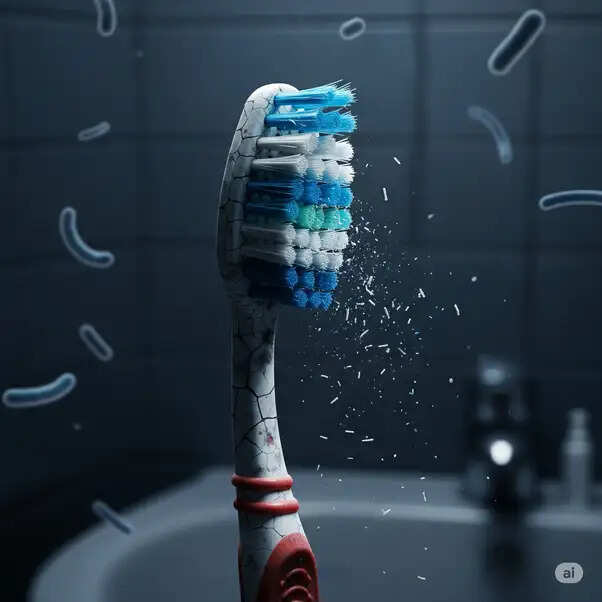
Many individuals opt for plastic toothbrushes due to their affordability and availability. Yet, scientific studies indicate that the bristles of these brushes wear down over time, releasing tiny particles of microplastics.
When these microplastics enter your mouth, they can travel down your throat and into your body. Organizations like the World Health Organization (WHO) recognize microplastic pollution as a significant health concern. Research suggests that the accumulation of microplastics in the body may be linked to hormonal imbalances, inflammation, and even cancer.
Bacteria and Fungi on Your Toothbrush
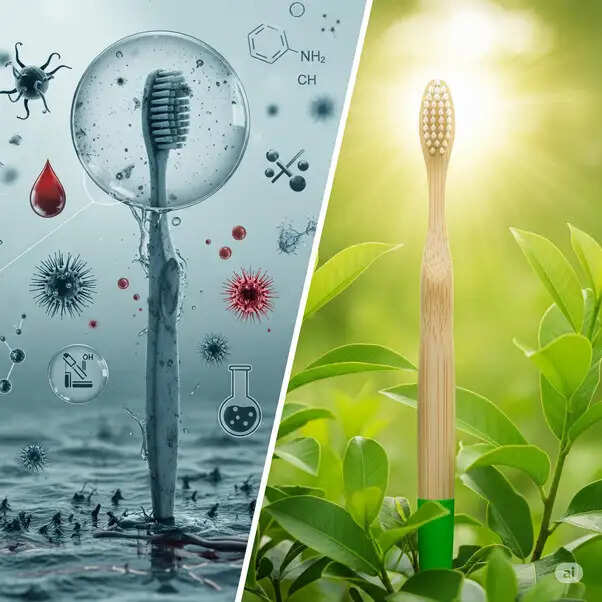
Another serious issue is the buildup of bacteria and fungi on toothbrushes, especially when they are stored in damp bathrooms. The humid environment can foster thousands of harmful microorganisms that can enter your mouth each time you brush.
Studies have shown that these bacteria can lead to dental issues as well as gastrointestinal problems.
How to Stay Safe?
Regular Cleaning and Maintenance of Your Brush
After each use, rinse your toothbrush thoroughly and ensure it is not dripping wet. If possible, let it dry in sunlight to kill bacteria.
Choose the Right Storage Location
Store your toothbrush in a place with good airflow and low humidity. Avoid keeping it near the toilet, as this increases the risk of contamination.
Replace Your Brush Every 2-3 Months
An old toothbrush not only becomes less effective but can also become a breeding ground for bacteria.
Opt for Natural Material Brushes
Today, bamboo or wooden toothbrushes are available, which are not only better for the environment but also possess natural antibacterial properties.
Have You Considered Your Toothbrush's Impact?
While we focus on cleaning our teeth, awareness regarding the quality, cleanliness, and replacement of our toothbrushes is often lacking. Did you know that the toothbrush you use daily can significantly affect your health?
If you care about your health and that of your family, start paying attention to these important factors today.
Share this information and raise awareness, as small habits contribute to a healthier life!