
The Hidden Dangers of Grapes: Chemical Contamination Exposed

Understanding the Risks of Grapes
In the past, purchasing grapes was often a gamble, as they could turn out sour. However, today, consumers can expect sweetness in every bite. What has changed to ensure that grapes are no longer sour? The answer lies in a concerning trend.
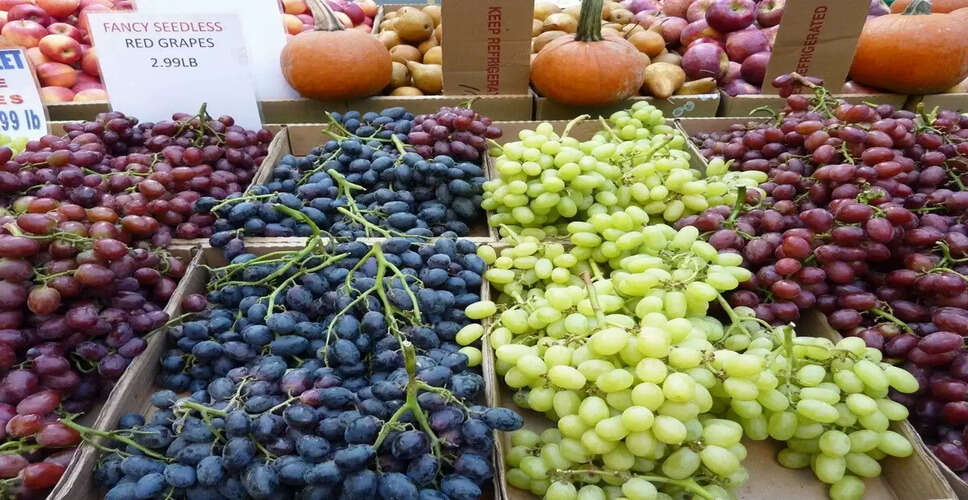
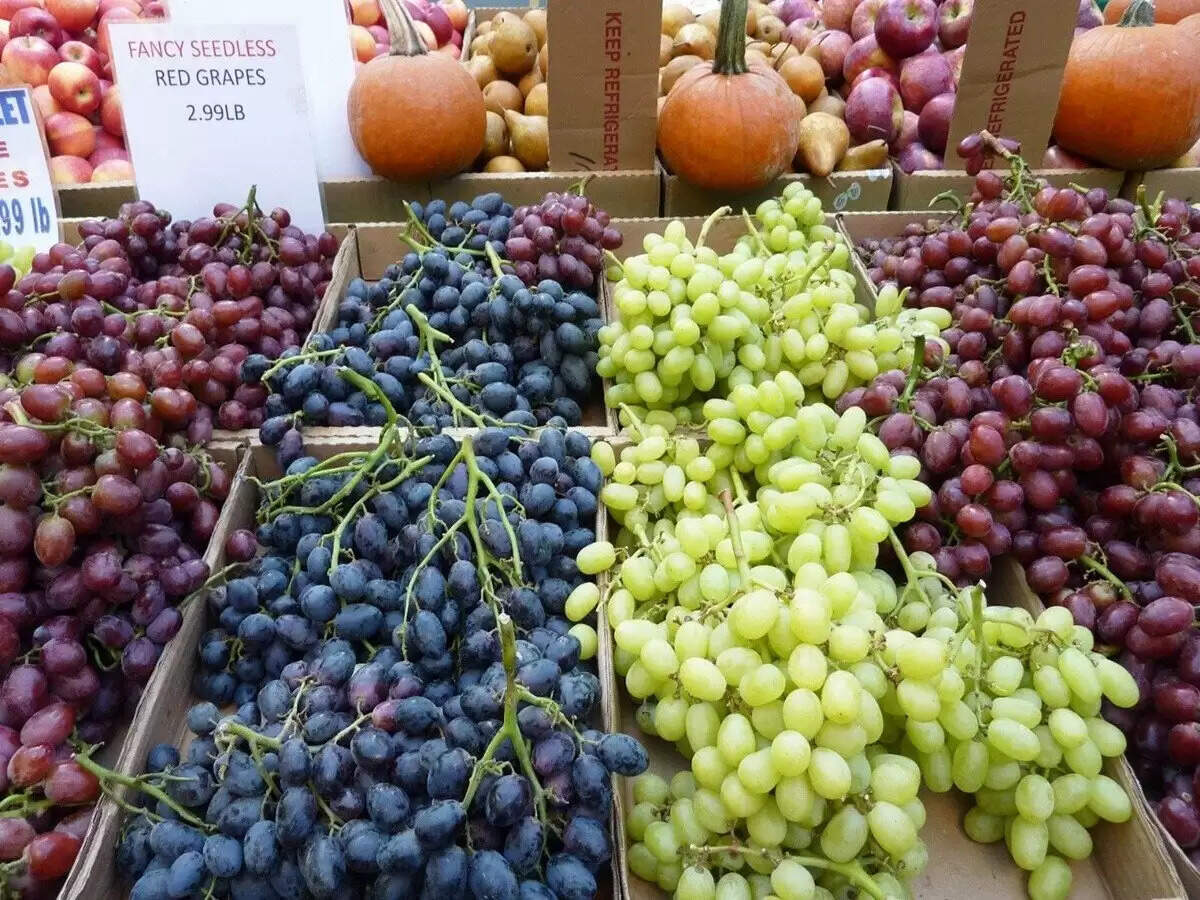
While grapes may appear sweet on the outside, they can be hazardous on the inside. The sweetness is often a result of chemical treatments. Shiny black and green grapes can be tempting, but this sweetness is not natural; it is chemically induced. Farmers use pesticides, fungicides, and growth hormones to enhance the size, appearance, and pest resistance of their crops. According to a report from the National Institute of Nutrition (NIN), harmful chemicals like chlorpyrifos, carbendazim, and profenofos can be found in grapes at levels up to 50 times higher than safe limits. Additionally, lead and arsenic levels can exceed WHO limits by 200%.
These chemicals are absorbed by the thin skin of the grapes. A glossy wax coating is often applied, making them visually appealing while concealing toxic substances. If not washed properly, consuming these grapes can be extremely harmful. Simply rinsing them with plain water is insufficient, as the chemicals penetrate deeply. Testing by the FSSAI revealed that 80% of commercially sold grapes exceed pesticide limits. Eating just 10-15 unwashed grapes can introduce 0.5 mg of chlorpyrifos into the body, which can be lethal for children. Symptoms can manifest within five minutes, including mouth irritation and tongue swelling, along with nausea, dizziness, and abdominal pain. Breathing difficulties may also arise, and long-term consumption can lead to liver and kidney failure.
Particular Risks for Children
Children and the elderly are particularly vulnerable to these toxins. A child's immune system is still developing, making even a small number of grapes potentially toxic. For the elderly, whose kidneys may already be compromised, the introduction of such poisons can be perilous. The FSSAI has issued warnings, yet these grapes continue to be sold widely. They recommend washing winter grapes thoroughly—up to seven times—before consumption.