
The Heroic Tale of Major Mohit Sharma: A True Indian Warrior
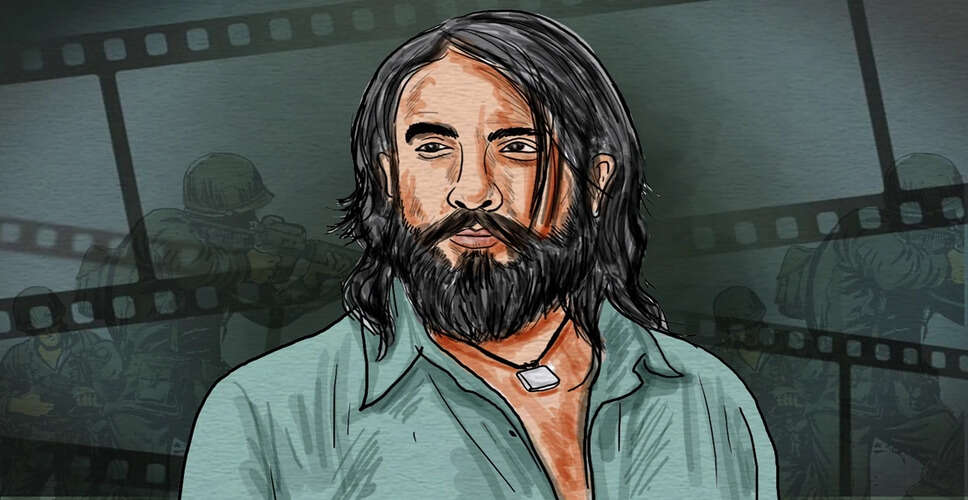
A Glimpse into the Life of Major Mohit Sharma
In March 2004, amidst the snowy mountains of Srinagar, a wooden house buzzed with activity as terrorists plotted their next move. Among them was a militant named Iftikhar from Hizbul Mujahideen, who was preparing tea in the kitchen while two others, Abu Turara and Abu Sabzar, whispered in another room. As Iftikhar entered with a tray of tea, Sabzar, instead of greeting him, pointed his AK-47 at him, demanding to know his identity. Iftikhar, sensing the tension, calmly placed the tray down and raised his hands, explaining that he had shared his story with them before. He even suggested they shoot him if they didn't believe him. This unexpected response caused Turara and Sabzar to exchange glances, and after a nod from Turara, Sabzar lowered his weapon. They then moved towards the table to drink their tea, turning their backs to Iftikhar. Seizing the moment, Iftikhar swiftly drew his pistol and fired two shots, eliminating both terrorists. However, Iftikhar was not a terrorist; he was Major Mohit Sharma, a brave commando from India's Para Special Forces, who had been on a mission to take down these militants for two months.
The Inspiration Behind the Film
Since the release of the film 'Dhurandhar' on December 5, it has sparked discussions across the nation. The film features Ranveer Singh, whose character is inspired by Major Mohit Sharma. While Singh portrays a fictional character, the real-life story of Major Sharma is far more intense and harrowing. This article aims to delve into the true narrative of Major Mohit Sharma, a soldier who faced death head-on and demonstrated the indomitable spirit of the Indian Army.
A Soldier's Journey
On a chilly morning in Rohtak, a young boy named Mohit Sharma was preparing for school. When asked about his future aspirations, he expressed a desire to serve his country. His journey led him to the National Defence Academy (NDA), where he transformed from a student into a soldier. In 1999, he received his commission and chose a path fraught with danger, where returning was never guaranteed. By 2004, Kashmir was engulfed in terror, and Major Sharma devised a plan to infiltrate enemy lines under the alias Iftikhar Bhatt, claiming he sought revenge for his brother's death at the hands of the army. The terrorists, unaware of his true identity, were caught off guard when he swiftly eliminated two of them, marking a pivotal moment in his mission.
The Final Mission
In October 2008, Major Sharma was called back to Kashmir. By March 2009, as the snow began to melt, he received orders to engage terrorists hiding in the Hafuda forest. Leading a team of 25 commandos, they embarked on a mission that would test their limits. After hours of tracking, they encountered heavy gunfire. Despite sustaining injuries, Major Sharma continued to fight valiantly, ultimately using grenades to neutralize multiple terrorists. Tragically, he succumbed to his injuries at the age of 31, but his bravery ensured that all terrorists were eliminated. Major Mohit Sharma was posthumously awarded the Ashoka Chakra, India's highest peacetime military honor.
Legacy of a True Hero
Major Mohit Sharma's legacy lives on through his wife, Lieutenant Colonel Rishima Sharma, who also serves in the Indian Army. Their family continues to honor his memory, with streets and metro stations named after him. However, the most significant tribute is the enduring respect and admiration he commands in the hearts of every Indian. Major Sharma exemplifies the spirit of sacrifice and courage, reminding us that true heroes never fade away.