
The Fascinating World of the Two-Headed Sand Boa: Demand and Conservation
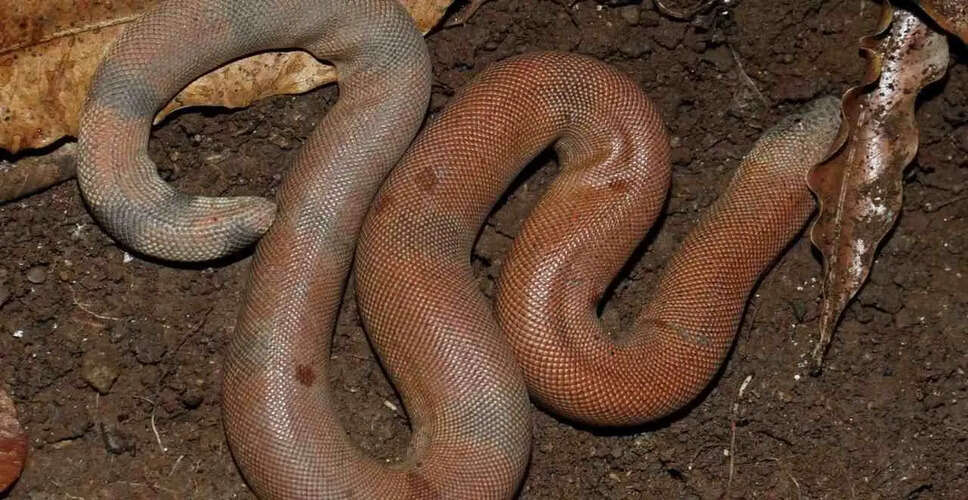

Understanding the Two-Headed Sand Boa
When people think of snakes, the first thought that often comes to mind is their venomous nature, which can pose a serious threat if bitten. However, there are numerous snake species that play significant roles in traditional medicine and rituals. Among these, the two-headed sand boa has gained immense popularity in international markets, with prices soaring into the crores. This article delves into the intriguing aspects of this unique snake.
Habitat and Legal Status
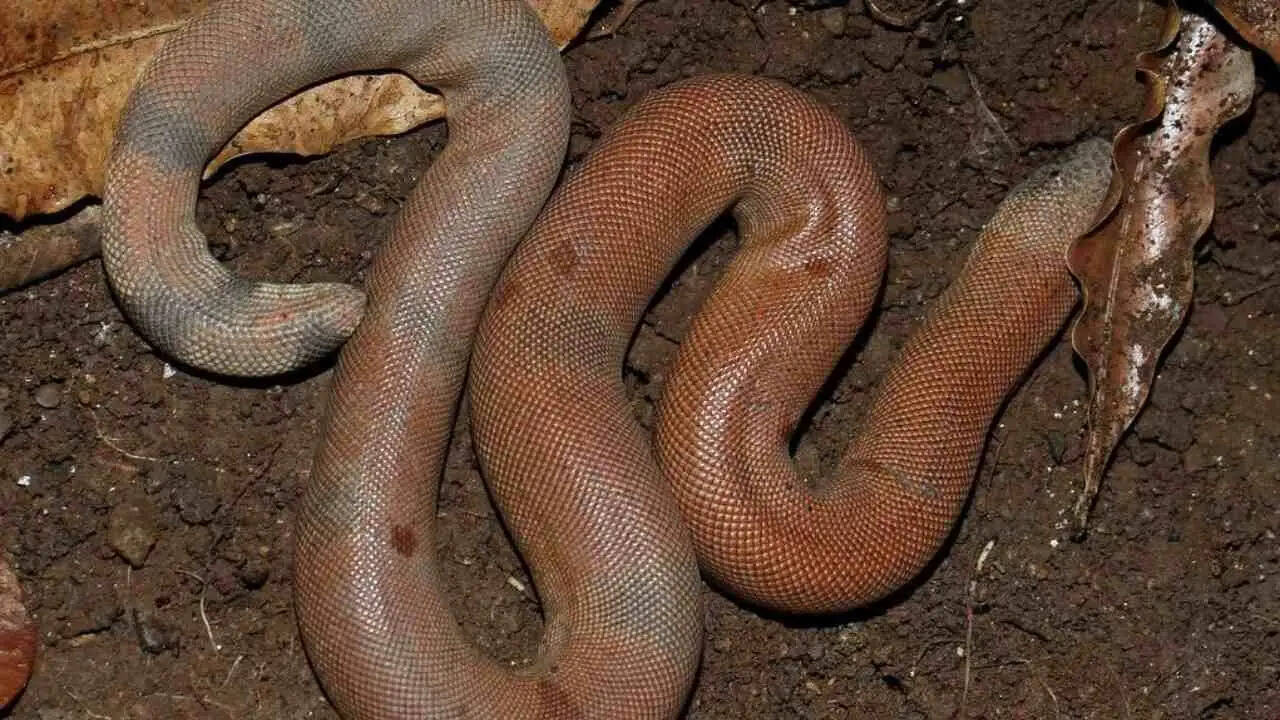
In Uttar Pradesh's Meerut district, these snakes are commonly found. The region from Hastinapur to Garhmukteshwar along the Ganges is sandy and serves as a habitat for these creatures, known as sand boas. Due to their rarity, capturing or selling them is illegal, as they are classified as protected species, leading to clandestine smuggling activities.
Characteristics and Capture Challenges
The two-headed sand boa typically exhibits a muddy brown and light yellow coloration. Locating them is quite challenging, as they tend to burrow deep into the sandy soil along the riverbanks. Catching one requires extensive digging, and snake catchers often spend days working in groups to find them.
Market Demand and Value
One snake catcher noted that while the muddy sand boa may not be particularly useful, its demand remains high. In contrast, the deep red variant of the boa is much more valuable and sought after. Recently, a red two-headed snake was sold for 1.25 lakh rupees after a week of effort to catch it.
Uses of the Sand Boa
The sand boa is primarily utilized by pharmaceutical companies for producing medications aimed at enhancing sexual potency, and some even use it in treatments for AIDS. In India, it is predominantly employed in various tantric practices. Additionally, the snake's thick skin is repurposed to create luxury leather goods such as shoes, wallets, belts, and jackets.
Smuggling Across States
These snakes are not only found in Uttar Pradesh but also in states like Bihar, Haryana, Madhya Pradesh, and Bengal, where smuggling operations are prevalent. While snake catchers may earn a few lakhs, agents in major cities like Delhi sell them for crores abroad. There is a significant demand for these snakes in countries like China and the USA. The forest department closely monitors these activities, and many snake catchers have been apprehended during smuggling attempts.
Clarifying the Misnomer
Despite being referred to as a two-headed snake, the sand boa actually has only one mouth. Its tail resembles a mouth, which leads to the misconception. Notably, this snake is non-venomous.