
The Fascinating World of Stag Beetles: Nature's Rare Treasures

Introduction to Stag Beetles
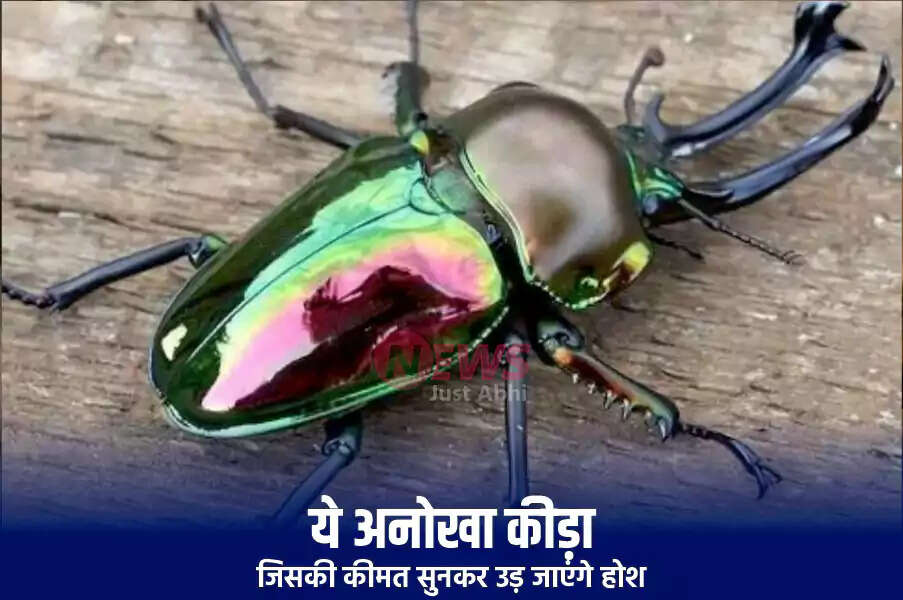
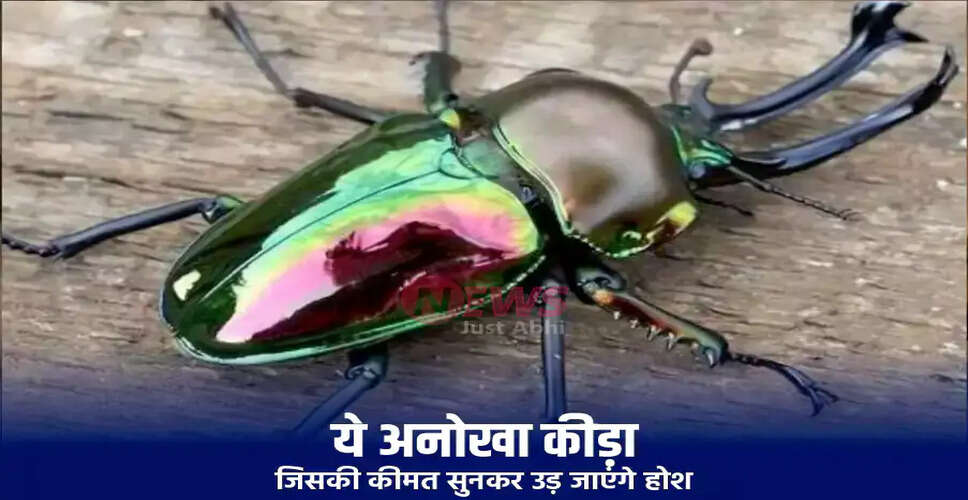
Nature is home to numerous creatures that astonish us with their unique characteristics. Among these is the Stag Beetle, regarded as one of the most expensive insects globally. While it may appear similar to an ordinary beetle, its rarity and distinctive features contribute to its high value.
Characteristics of Stag Beetles
In Hindi, the Stag Beetle is referred to as “हिरन के सींग वाला भृंग.” This name derives from its large, robust jaws that resemble deer antlers. Notably, these prominent jaws are typically found in male Stag Beetles.
Global Distribution
There are over 1,200 species of Stag Beetles worldwide, primarily found in the forests of Europe, Asia, and America. In India, certain species can be spotted in the forests of Assam, Arunachal Pradesh, Sikkim, and the Western Ghats.
Life Cycle of Stag Beetles
The life cycle of this insect is quite intriguing. Its larval stage can last several years, developing within decaying wood. In contrast, the adult stage is relatively short-lived, lasting only a few months.
Reasons for Rarity
The primary reason for the Stag Beetle's high price is its rarity. Deforestation and environmental changes have led to a rapid decline in many of its species. Consequently, several countries have classified it as an endangered species.
Cultural Significance in Japan
In Japan, there is a unique fascination with Stag Beetles. Both children and adults keep them as pets, and competitions like “Beetle Fighting” are held in some areas. This cultural interest has driven the prices of rare species into the millions.
Record Prices
According to reports, a rare species of Stag Beetle, Dorcas Hopei, was sold in Tokyo for approximately $90,000 (around ₹75 lakh). This highlights its status as one of the most expensive insects in the world.
Symbolism and Medicinal Uses
In some Asian cultures, Stag Beetles are seen as symbols of good fortune. Additionally, certain traditional medicine practices utilize parts of the beetle for medicinal purposes, although scientific evidence supporting these claims is limited.
Environmental Role
From an ecological perspective, Stag Beetles play a vital role. They help maintain forest cleanliness by consuming decaying wood, earning them the nickname “nature's janitor.”
Conservation Efforts
In India, Stag Beetles are primarily found in the northeastern states and the Western Ghats. While there is no tradition of keeping them as pets, illegal trafficking occurs due to international demand. The trafficking of such rare species is considered a crime under the Wildlife Protection Act of 1972. Therefore, experts and the government emphasize the need for conservation efforts.
Conclusion
The Stag Beetle serves as a reminder of the importance of every creature in nature. Even a small insect can play a significant role in environmental balance. It is crucial to protect such rare species and safeguard their natural habitats.