
The Fascinating Science Behind a Rooster's Crowing
Understanding the Rooster's Morning Call
Most people have heard the crowing of a rooster early in the morning, and many wake up to this sound. This was particularly common in earlier times. Have you ever wondered how roosters know when dawn is approaching? Today, we will explore this intriguing question.
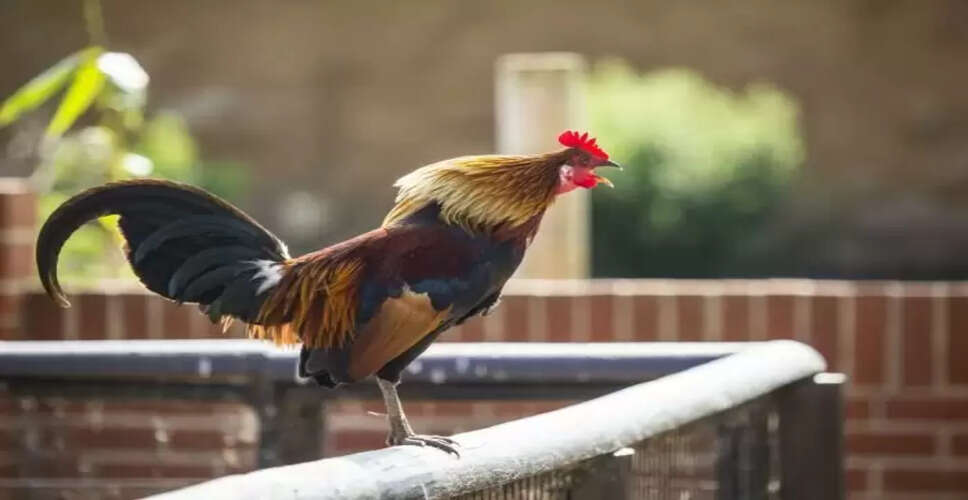
The crow of a rooster is quite powerful. When it crows, it seems as if nature itself is stirring to welcome the rising sun. The way a rooster crows is also interesting; it first steps outside, surveys its surroundings, and then begins to crow. Notably, only roosters crow; hens do not.
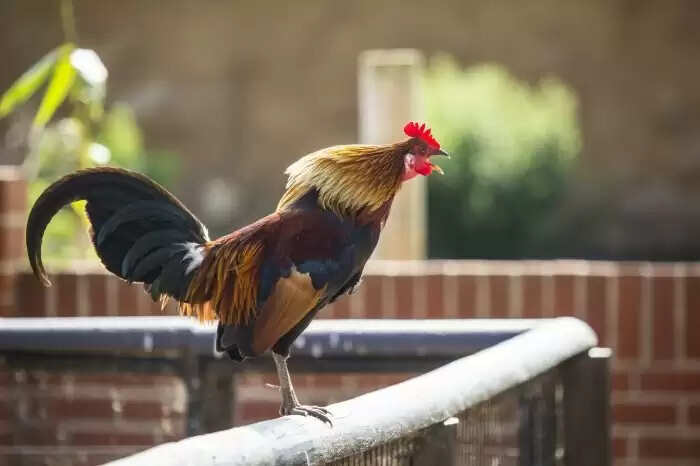
Whenever a rooster crows, other roosters also come out to join in. They begin to crow as well, demonstrating a remarkable coordination and discipline among them. For instance, one rooster will stop crowing before another starts, ensuring they do not create unnecessary noise together.
Roosters are particularly noted for their crowing because it occurs during the quiet moments before dawn. Additionally, the intensity of a rooster's crow is quite high. Interestingly, a rooster's crow can reach up to 143 decibels, while humans can become deaf if exposed to sounds over 130 decibels. However, roosters do not deafen humans because they maintain a distance when they crow. Some people mistakenly believe that roosters crow to wake humans, but in reality, they are calling to their fellow roosters and hens.
How Roosters Know Dawn is Approaching
Now, let’s address the key question: how does a rooster know that dawn is near? Roosters possess a circadian rhythm, a type of internal sensor that alerts them to the impending sunrise.
Interestingly, as roosters age, this sensor becomes more effective. This is why the oldest rooster is usually the first to crow, as it senses the dawn before the others. This also indicates that the first rooster to emerge is often the leader of the flock.
If you found this information interesting, feel free to share it with others.