
The Evolving Landscape of SUVs: Mahindra's Diverse Offerings
A New Era for the Indian SUV Market
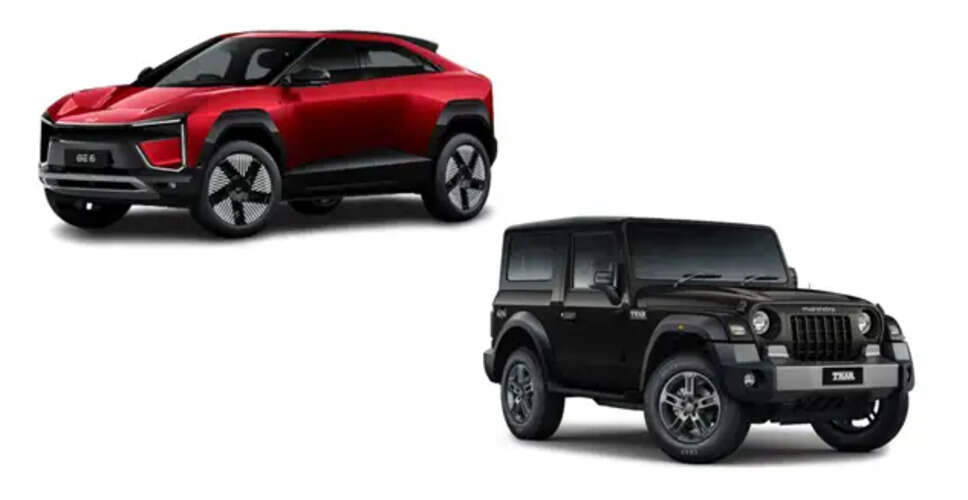
The Indian SUV sector has transformed significantly, moving away from a one-size-fits-all approach. In the last ten years, it has branched into various sub-segments that cater to diverse consumer needs. The Mahindra BE 6 and Mahindra Thar exemplify this evolution, showcasing two distinct interpretations of the SUV concept.
From a Single Identity to Diverse Segments
Traditionally, SUVs were characterized by their body-on-frame design, elevated ground clearance, and diesel power. The Mahindra Thar embodies this legacy, built on a robust third-generation body-on-frame platform that emphasizes durability and off-road capability.
Conversely, the Mahindra BE 6 takes a different approach. Constructed on the INGLO electric architecture, it prioritizes electric performance and digital connectivity over traditional mechanical strength.
This contrast highlights the expanding definition of the SUV category.
The Rise of Electrification in SUVs
The Mahindra BE 6 features electric powertrain options with 59 kWh and 79 kWh battery packs, offering a certified range of up to 683 km. This shift underscores the growing importance of sustainability in SUV design.
Electric SUVs are no longer just experimental; they are becoming a significant segment for consumers looking for lower emissions, software updates, and immediate torque.
In contrast, the Thar, equipped with internal combustion engines like the mHawk diesel and mStallion petrol, caters to those who value reliability and convenience in refueling.
Technological vs. Terrain-Focused Capabilities
The diversification in the SUV market is also evident in how capabilities are perceived.
The Thar features a manual part-time 4WD system with high and low reduction gears, focusing on off-road performance and durability.
On the other hand, the BE 6 incorporates Level 2+ Advanced Driver Assistance Systems (ADAS) supported by multiple radars and ultrasonic sensors, along with a Snapdragon-powered MAIA architecture. Here, capability is defined by safety and digital intelligence rather than just mechanical prowess.
Lifestyle and Cabin Experience
The diversification of the market reflects changing lifestyle preferences.
The Thar is designed for adventure, featuring washable floors and a roof-mounted speaker system, appealing to outdoor enthusiasts.
In contrast, the BE 6 offers dual 12.3-inch screens, ambient lighting, and a high-end audio system, focusing on a luxurious cabin experience.
Catering to Different Buyer Segments
The availability of both models in Mahindra's lineup illustrates how brands are targeting specific consumer groups.
The Thar attracts those seeking ruggedness and simplicity, while the BE 6 appeals to tech-savvy buyers interested in sustainability and connectivity.
This strategy reflects a broader industry trend of offering varied SUV identities instead of a single product line.
The Importance of Informed Decision-Making
As the SUV market diversifies, consumer research becomes increasingly vital. Buyers now evaluate drivetrain options, safety features, and digital capabilities before making a purchase.
Platforms like ACKO Drive allow consumers to compare and buy vehicles online, providing detailed feature breakdowns that help them make informed choices based on their lifestyle needs.
Future Implications for the SUV Market
The coexistence of the Mahindra BE 6 and Thar indicates that SUV diversification will continue to grow. Rather than replacing traditional models, electric and digitally advanced SUVs are emerging alongside them.
This suggests a future where SUVs will encompass various pathways, including:
● Electrified, software-driven mobility
● Rugged, terrain-focused engineering
● Comfort-driven lifestyle integration
Such diversification ensures that SUVs remain relevant to a wide range of consumer expectations.
Conclusion
The Mahindra BE 6 and Thar illustrate the SUV market's shift beyond its mechanical origins. One embraces electrification and digital technology, while the other maintains a rugged, traditional approach.
Together, they highlight a thriving market characterized by variety rather than uniformity. As consumer priorities evolve, diversification will likely shape the future of SUV development.