
The Evolution of Modern Terrorism: India's Pivotal Role
The Roots of Modern Terrorism
Modern terrorism did not emerge suddenly in the Western world on September 11, 2001. Instead, it had been gradually and systematically spreading across various parts of the globe long before reaching cities like New York, London, or Paris. India holds a unique position in this early narrative. Since gaining independence, the country has served as a testing ground for tactics that would later define global terrorism. While much of the Western world viewed the violence in South Asia as mere local unrest, ethnic conflicts, or post-colonial chaos, India was grappling with a new and perilous form of warfare that disregarded borders and rules—a conflict that targeted civilians and thrived under the guise of deniability. The 1970s saw hijackings, the 1980s were marked by ideologically driven insurgencies, the 1990s experienced mass killings, and the 2000s witnessed terrorist attacks broadcast live through media. These were not isolated incidents but rather stages of an evolving terrorist framework. Each era refined techniques that would later spread across borders and continents. Throughout this process, India bore the brunt of these shocks almost alone, paying a heavy human and institutional toll, while the international community largely ignored or downplayed its warnings. The reality is that India became, not by choice but by circumstance, the first laboratory for modern terrorism—a historical fact that is significant because warnings often go unheeded until the threat is at one's doorstep.
The Era of Hijackings and Hostage Tactics
Long before the events of 9/11 made aviation security a global priority, India had already faced multiple hijacking incidents. These were not random acts of desperation; they were orchestrated attacks aimed at securing concessions, drawing media attention, and challenging the government. The hijacking of Indian Airlines Flight IC-814 in 1999 marked a crucial turning point, combining international routes, real-time media pressure, and diplomatic maneuvering. The 1990s had shifted from rural insurgency to urban terrorist warfare, as evidenced by the 1993 Mumbai bombings, which demonstrated the lethal potential of terrorism.
Mumbai's Historic Terror Attack 30 Years Ago
On that fateful Friday, March 12, 1993, Mumbai experienced its first major organized and planned terrorist attack. At that time, the city was still referred to as Bombay, and tensions were already high following riots just three months prior. At approximately 1:30 PM, a series of bomb blasts erupted at 12 different locations across the city. The attacks began with an explosion at the Stock Exchange, bringing the bustling city to a halt. A car laden with RDX detonated in the parking lot of the 28-story building, claiming the lives of around 84 innocent people and injuring over 200. Following this, the blasts continued, with a second explosion occurring at Narathi Nath Street at 2:15 PM, resulting in five fatalities. The third blast took place near the Shiv Sena Bhavan at a petrol station, killing four and seriously injuring 50 others. It became evident that Mumbai was now under the threat of a significant terrorist assault. The Air India building near Nariman Point was also targeted, resulting in 20 deaths and many more injuries.
Dawood Ibrahim's Involvement
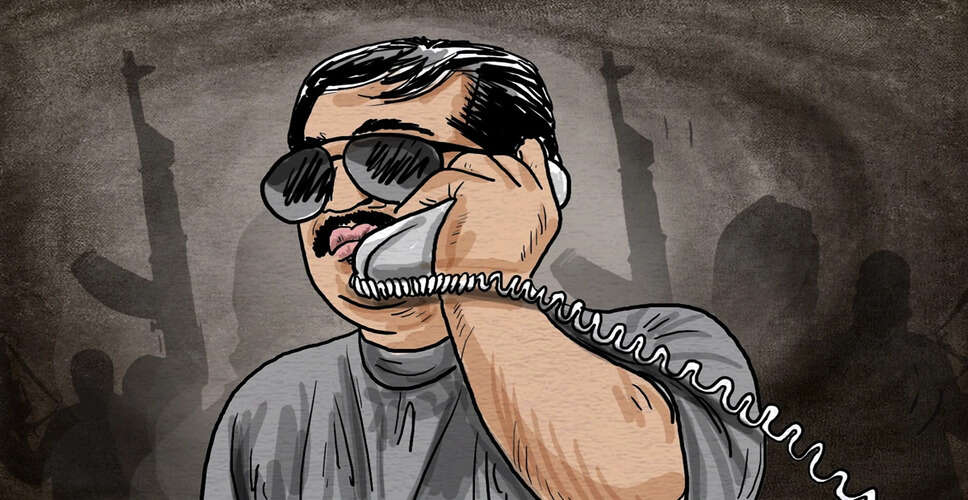
According to Rakesh Maria's book "Let Me Say Now," following the demolition of the Babri Masjid in 1992, some Muslims in Mumbai sought revenge and turned to underworld don Dawood Ibrahim for assistance from his base in Dubai. Initially, Dawood refused, but it is said that some Muslim women sent him bangles as a curse, which struck a chord with him. Consequently, he collaborated with Tiger Memon and Mohammad Dosa to orchestrate the plan to unleash terror in Mumbai.