
The Enigmatic Stone of Jaisalmer: Transforming Milk into Curd
A Mysterious Discovery in Jaisalmer
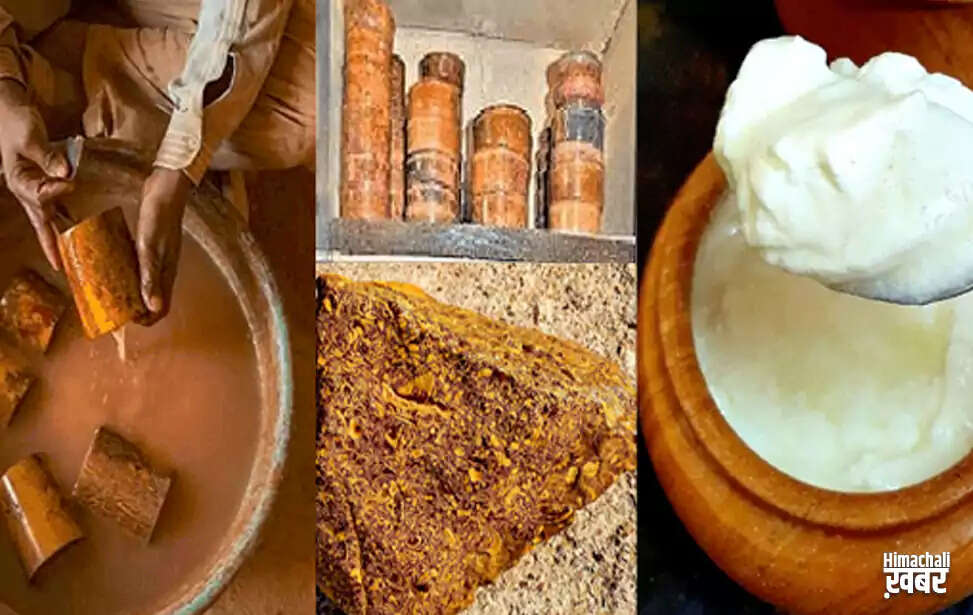
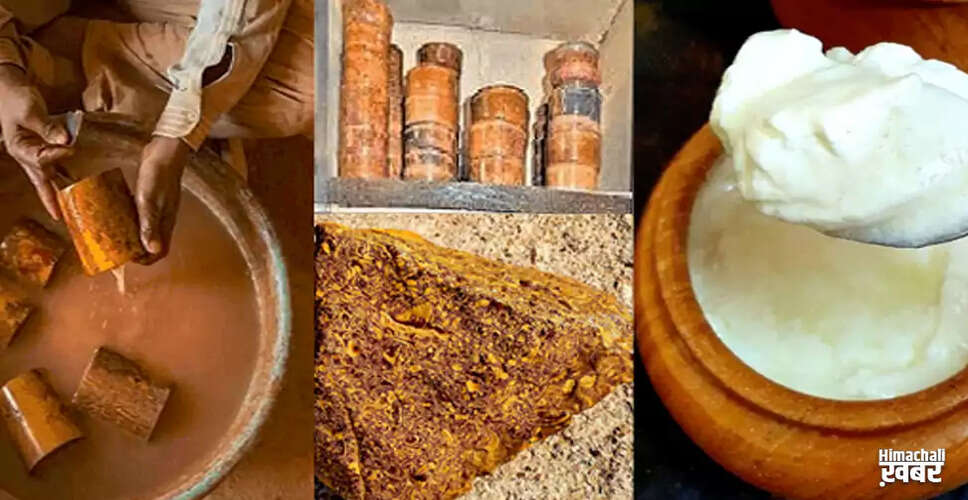
In the Jaisalmer district of Rajasthan, a remarkable stone has been discovered that has the ability to turn milk into curd. Extensive research has been conducted to understand how this stone interacts with milk to create curd. This unique stone is found in the vicinity of Habur village, extracted from the earth's crust. It contains various minerals and fossils, which contribute to its magical reputation.
Habur Village: A Hub of Magic
Located approximately 40 kilometers from Jaisalmer, Habur village is home to the local community known as Swarnagiri. The magical stone found here is referred to as Haburiya Bhata in the local dialect. Visually, the stone has a light golden sheen. It contains chemicals such as amino acids, phenylalanine, and tryptophan, which are believed to be responsible for its curd-forming properties. Locals assert that the stone possesses a special magical power that facilitates this transformation, resulting in curd that is not only sweet but also aromatic.
Continued Use and Craftsmanship
Today, Habur village is known as Poonamnagar, and its residents still utilize this stone for making curd. People travel from far and wide to purchase these stones. Additionally, locals craft various items such as utensils, idols, and toys from this stone, selling them for profit. Products made from this stone, including glasses, plates, bowls, trays, vases, cups, and toys, are in high demand both domestically and internationally.
The Geological History of the Stone
According to local lore, the region around Jaisalmer was once home to a sea called Teti. The drying up of the Teti Sea led to the fossilization of numerous marine creatures and the formation of mountains. These stones were formed approximately 180 million years ago from the shells of sea creatures. The mountains in this area are rich in various minerals.
Health Benefits of Habur Stone
Ayurvedic texts mention the Habur stone, suggesting that drinking water from a glass made of this stone can rejuvenate the body. Regular consumption of food from Habur stone utensils is believed to reduce the risk of diabetes, blood circulation issues, joint pain, and piles, while also helping those already affected by these conditions. For those interested in acquiring these utensils, they are readily available online, with prices ranging from approximately 500 to 5000.