
The Dangers of Plastic: A Call for Change


The Impact of Plastic on Health
Baba Ramdev highlights that 119 years ago, when plastic was invented, no one anticipated it would become an essential part of daily life. Today, however, plastic has turned into a significant threat to our health.
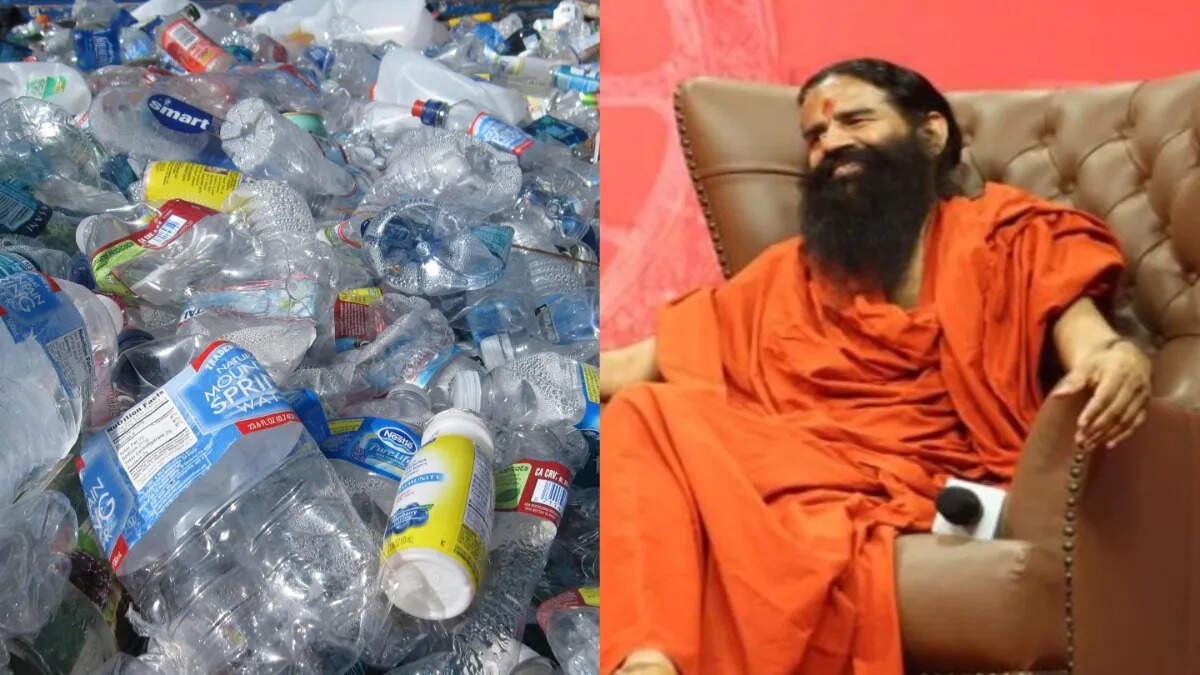
Do you often sip tea or coffee from disposable cups? Do you bring groceries home in plastic bags? Is your lunch packed in plastic tiffins, and do you use plastic straws for drinks? If so, it's time to be cautious about your health. The increasing use of plastic is starting to take a toll on human life.
In reality, bottled water does not completely disappear; it breaks down into tiny fragments known as microplastics, which are invisible to the naked eye. These microplastics mix with water, soil, and air, eventually entering our bodies. On average, a person ingests about 5 grams of microplastics weekly, which can damage the liver, kidneys, and heart. This is a significant reason why one person dies every 30 seconds due to plastic-related issues. Baba Ramdev asserts that it is unlikely anyone is free from microplastics in their body, raising the question of how we can protect our hearts, minds, livers, and kidneys from this threat.
What Problems Can Arise from Plastic Use?
- Plastic as a Brain Enemy: Microplastics can reach the brain and bind with proteins, increasing the risk of neurological diseases like Parkinson's, which affects around 8.5 million people globally. When heated, the chemical bisphenol-A from plastic can leach into food and drinks, impairing memory and slowing cognitive functions.
- Risk of Heart Diseases: Particles floating in the air can enter the body through breathing and reach the bloodstream, potentially causing inflammation, oxidative stress, and heart-related diseases.
- Kidney Threat: Even paper cups can be harmful as they often contain plastic to make them waterproof. Hot tea can leach around 25,000 microplastic particles from the plastic lining into the body, harming the kidneys.
Alternatives to Plastic
- Make Changes in the Kitchen: To minimize health risks from plastic, start by removing all plastic items from your kitchen. Replace them with stainless steel and iron utensils, copper bottles, and glass containers for microwave use to avoid the dangers of plastic.
- Use These Alternatives Instead of Plastic: Opt for wooden ear buds, bamboo sticks, cloth or paper flags, stainless steel cups, spoons made of steel or bamboo, paper straws, wooden knives, and trays made of wood, steel, or clay as safer options.