
The Dangers of Holding Back a Sneeze: A Life-Threatening Incident

A Shocking Incident
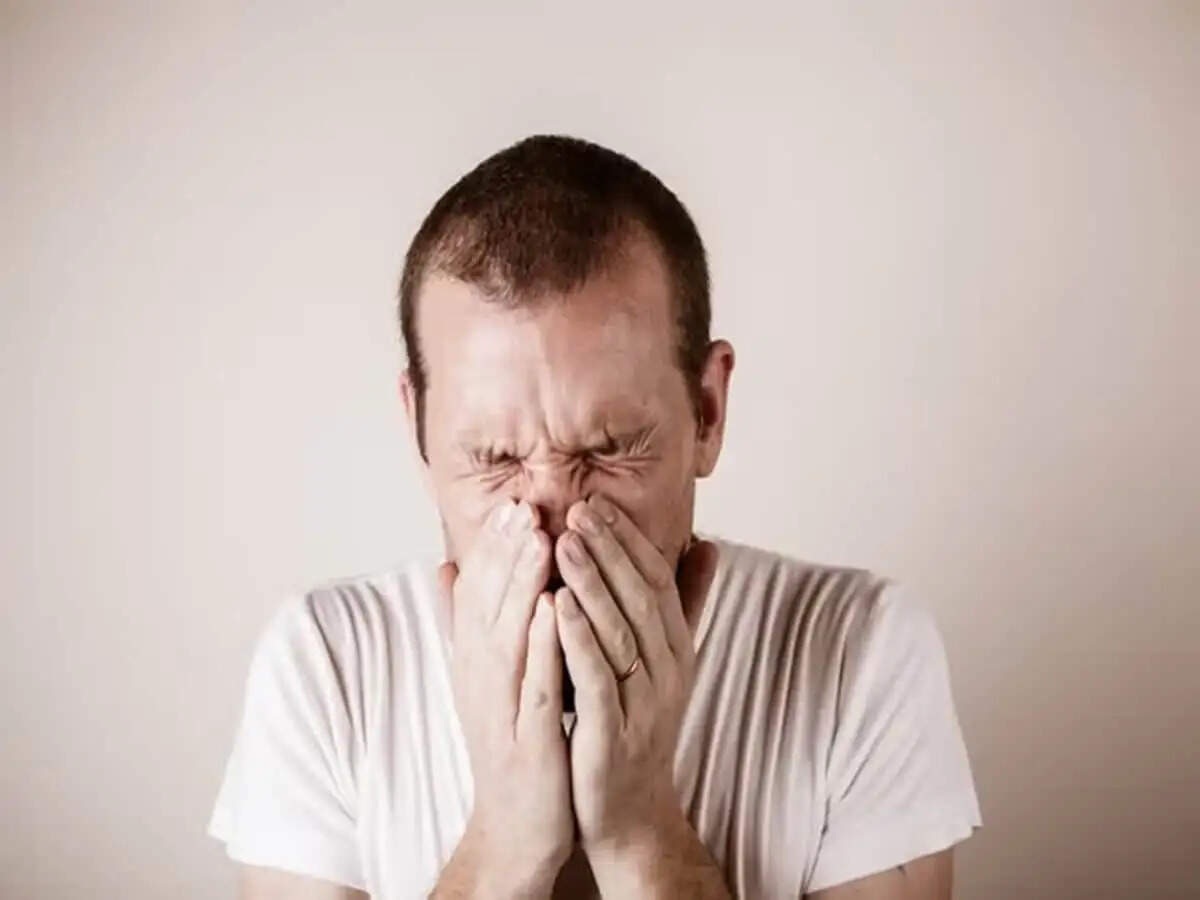
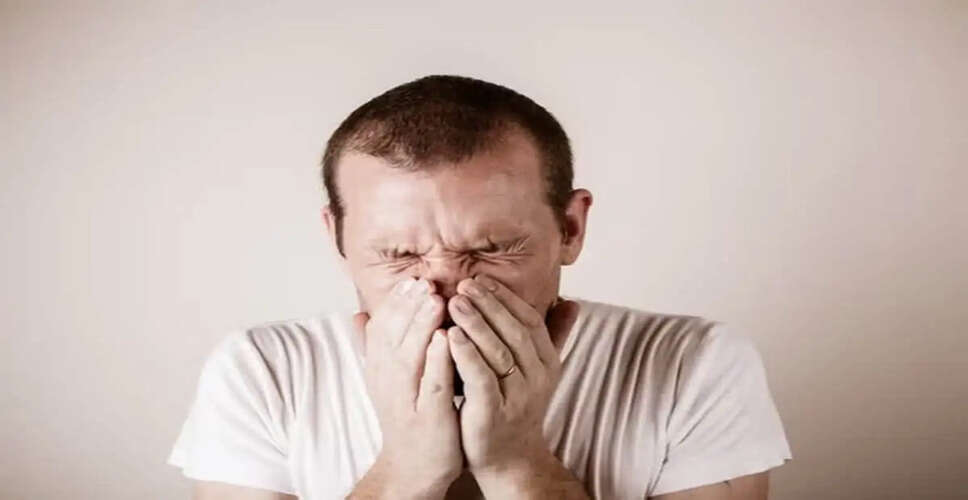
In our daily lives, we often overlook minor issues. For instance, when we feel a sneeze coming on in a public setting, we might pinch our nose or close our mouth to suppress it, thinking it won’t lead to any problems. However, a recent incident involving a British man has highlighted that holding back a sneeze can indeed be life-threatening.
While driving, he attempted to stifle a sneeze, which resulted in a tear in his throat, allowing air to enter his lungs and putting his life at risk. This case marks the first of its kind documented in the BMJ Case Reports journal. Let’s delve into the details of this alarming incident and the warnings provided by medical professionals.
A Brush with Death
This incident occurred in 2023 involving a healthy 30-year-old man from the UK. While driving, he felt a sneeze coming on due to allergies. Out of embarrassment or fear, he pinched his nose and closed his mouth. Although this stopped the sneeze, he soon experienced severe pain in his throat, feeling as if something had ruptured inside. Breathing became difficult, and his neck began to swell. Upon arriving at the hospital, a CT scan revealed a 2×2 millimeter tear in his trachea (windpipe), causing air to accumulate between his chest and lungs (pneumomediastinum), which could have been fatal.
The First Documented Case
Dr. Rasads Misirovs, the lead author, expressed surprise at the findings, stating, "We have never encountered such a case before." Medical professionals explained that suppressing a sneeze can increase pressure in the upper respiratory tract by 5 to 24 times the normal level. According to the BMJ report, this pressure can tear the trachea. In this case, the pressure surged to 20 times higher than normal, resulting in a small tear. A larger tear could have led to infection, bleeding, or even death due to respiratory failure. The patient was given pain relief and monitored for 48 hours. Fortunately, the tear healed on its own within five weeks. However, doctors have since warned against pinching the nose and closing the mouth to suppress a sneeze, as it can lead to tracheal perforation.