
The Dangers of Drinking Ancient Glacier Water: A Cautionary Tale

The Viral Video Incident
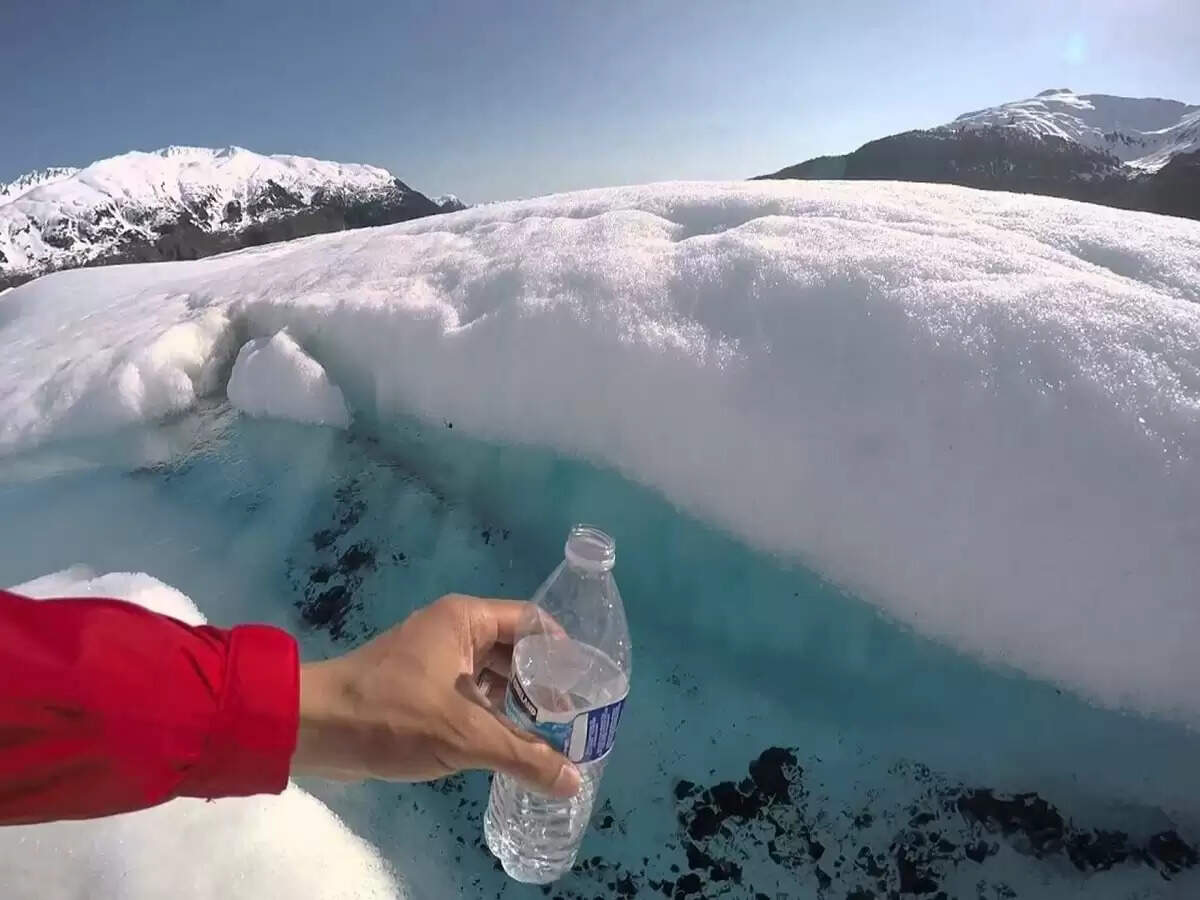
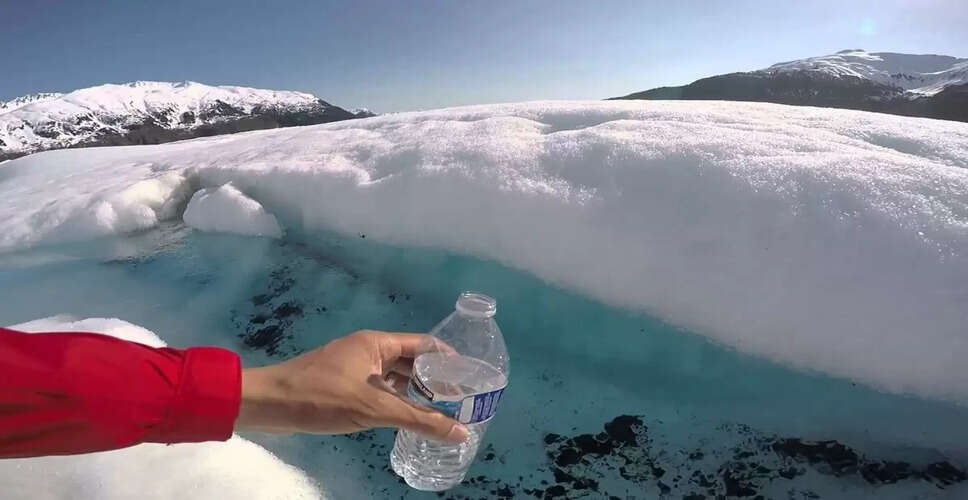
In the realm of social media, viral videos often capture attention, but some can pose serious health risks. Recently, a video surfaced showing an individual drinking water from a glacier that is millions of years old. While the water appeared crystal clear, it contained ancient bacteria that wreaked havoc on the drinker's stomach.
What Happened in the Video
The clip featured a man filling a glass with glacier water and then consuming it. Although it seemed like an artificial intelligence-generated video, health experts quickly issued warnings. According to specialists, drinking this water can lead to immediate stomach discomfort, potentially signaling the onset of severe gastrointestinal issues. Experts strongly advise against such actions.
This video was shared on Instagram by health influencer doctormyro, who cautioned viewers, "Please don’t drink the ancient microbes!" The footage was filmed at a glacier in Alaska, a popular tourist destination. The individual likely thought the water looked so pure that it was worth trying. However, experts explain that glacier water can be millions of years old, harboring bacteria, viruses, and parasites that are vastly different from those found today. Research has revealed that 15,000-year-old microbes have been discovered in Tibet's Guliya Glacier, still alive today. Similarly, bacteria dating back 2 million years have been found in Antarctica's Taylor Glacier, surviving without oxygen.
Health Risks and Warnings
doctormyro, a well-known health influencer, emphasized on Instagram that while glacier water may appear pure, it is essentially a 'time capsule' containing microbes that our immune systems cannot combat. The video depicted the man drinking the water, but hours later, he could experience diarrhea, stomach pain, and dehydration. Doctors attribute these symptoms to parasites like Giardia or Cryptosporidium, which can originate from animals near glaciers or from ancient pollution.