
The Benefits of Using Jamun Wood for Water Tank Purification
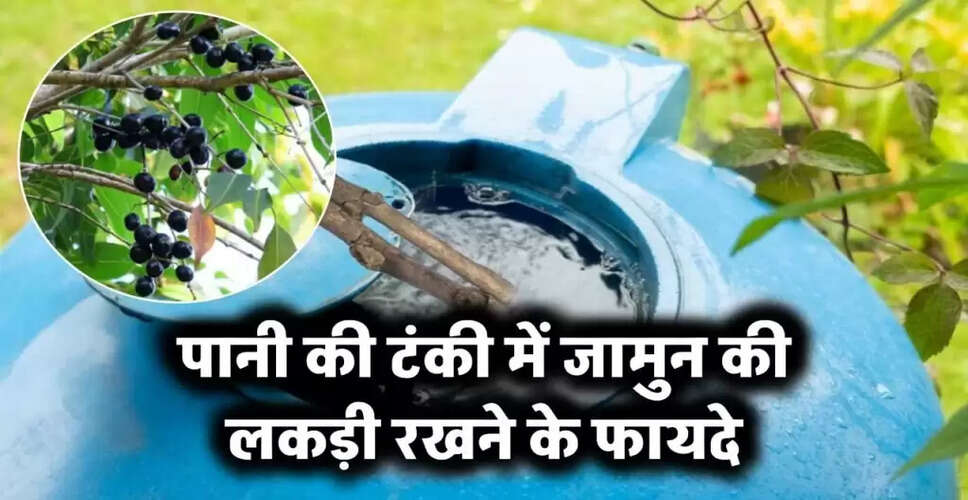
Introduction to Jamun Wood in Water Tanks
Incorporating jamun wood into water tanks is a time-honored practice that continues to prove its worth today. This method has been widely used in rural India for many years, and urban dwellers are now beginning to recognize its benefits. This natural and safe approach not only aids in keeping water clean but also alleviates the challenges associated with tank maintenance. The use of jamun wood serves as a solution that helps maintain water quality without the need for chemicals. Let's delve deeper into how this method functions and the science behind it.
Natural Benefits of Jamun Wood
Jamun wood possesses antibacterial, antifungal, and natural purification properties, making it extremely beneficial for water. When placed in a water tank, it prevents the growth of algae, slime, and other harmful microorganisms. As a result, the quality of the water improves, eliminating any unpleasant odors or discoloration. Additionally, using jamun wood reduces the frequency of tank cleaning, saving both time and effort.
A Safe Solution for Health and Environment
In an era where discussions around renewable energy, organic farming, and natural lifestyles are prevalent, it becomes essential to adopt methods that are free from chemicals. Jamun wood is one such option. It has no adverse effects and does not harm water sources. This wood naturally reduces bacteria and harmful substances in water, making it safe for drinking. This method can be particularly effective in areas where water resources are limited.
How to Use Jamun Wood and Precautions
Implementing this method is straightforward. Simply take a few clean pieces of jamun wood, wash them thoroughly, and place them in the water tank. It is important to ensure that the wood is completely dry and not decayed. The wood should be replaced every 15-20 days to maintain its effectiveness. Although this is a natural method, if any unusual changes in water quality are observed, consulting an expert is advisable.