
The Aftermath of Turkey's 2016 Coup Attempt: A Deep Dive into Arrests and Allegations
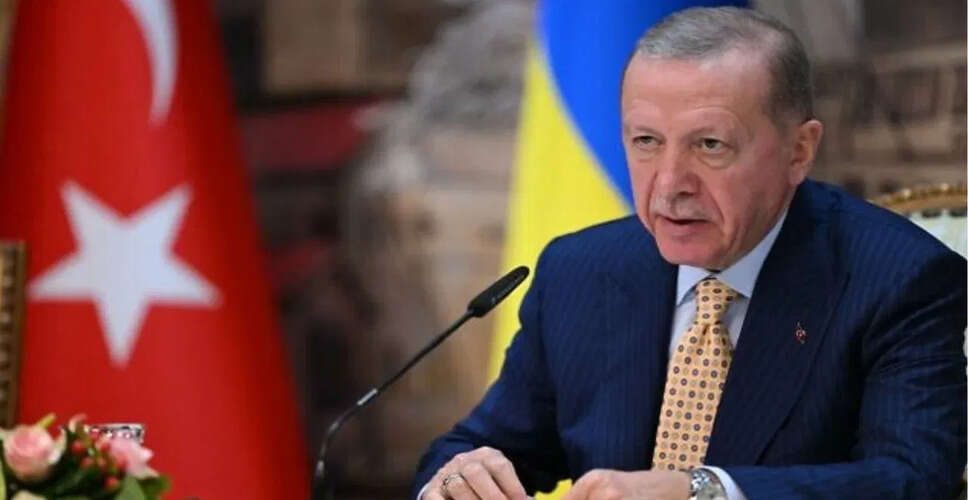
The Night of July 15, 2016: A Turning Point in Turkey
The evening of July 15, 2016, marked a significant moment in Turkish history when a faction within the military attempted to overthrow the government. This failed coup resulted in the tragic loss of approximately 250 lives, widespread violence on the streets, and a state of panic in the capital, Ankara. Although President Erdoğan's position remained intact, this event initiated a series of repercussions that continue to unfold nearly nine years later.
Government's Response: Terrorism Allegations and Mass Arrests
The Turkish government labeled the coup attempt as a terrorist conspiracy, leading to a dramatic crackdown. Recent statistics reveal that around 390,000 individuals have been detained in connection with terrorism or coup-related offenses since that fateful night. Of these, over 113,000 have been formally arrested. This raises a critical question: if only a handful were involved in the 2016 plot, how did Turkey end up with nearly 390,000 alleged 'terrorists' by 2025?
The Gülen Movement: A Controversial Accusation
From the outset, Erdoğan's administration has accused Fethullah Gülen, an exiled cleric residing in the United States, of orchestrating the coup. Gülen has consistently denied these allegations and has called for an international investigation, which has yet to occur. Since then, approximately 126,000 individuals have been convicted for alleged ties to the Gülen network, with over 11,000 still imprisoned and hundreds awaiting trial. Nearly 24,000 cases remain pending in the courts.
What Constitutes a Crime?
Many of those arrested had merely opened bank accounts associated with Gülen supporters, used a messaging app called ByLock, or subscribed to related newspapers. The European Court of Human Rights has deemed these accusations insufficiently substantiated. Nevertheless, the Turkish government continues to frame these actions as matters of national security.
Are There Really 390,000 Terrorists?
Among those detained, numerous individuals were apprehended simply for opposing government policies, posting on social media, or being in the wrong place at the wrong time. Turkey's pursuit of coup suspects extended beyond its borders, with 2,364 extradition requests sent to 118 countries and 3,579 red notices issued. However, only 131 individuals were returned, with 128 of them forcibly taken without legal proceedings. The United Nations has condemned these actions as blatant human rights violations, stating that Turkey's transnational operations are entirely against established norms.