
Thailand and Cambodia Engage in Diplomatic Talks in China Amid Border Tensions
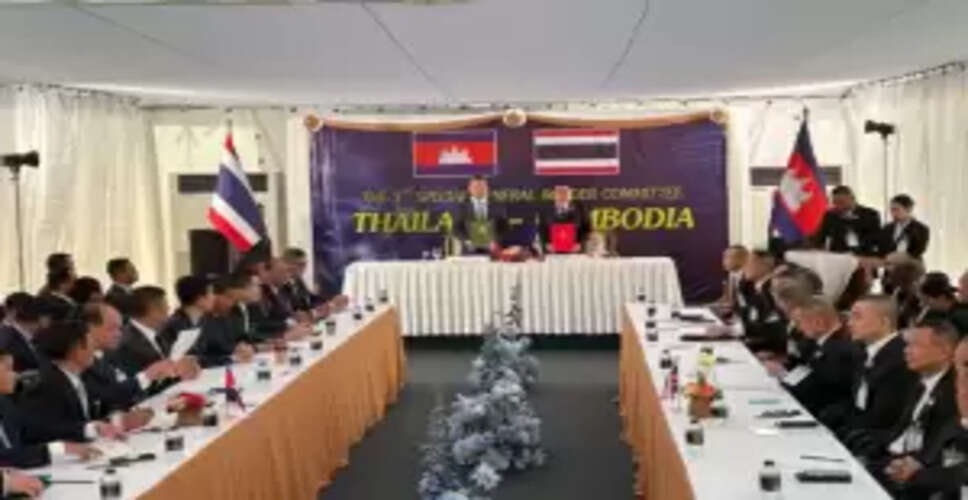
Diplomatic Efforts to Resolve Border Dispute
Beijing: High-ranking diplomats from Thailand and Cambodia commenced two days of discussions in China on Sunday, as Beijing aims to enhance its role in mediating the ongoing border conflict between the two nations, following a newly signed ceasefire agreement.
The ceasefire, established on Saturday, seeks to halt weeks of hostilities along the disputed border, which have resulted in over 100 fatalities and displaced more than half a million individuals from both countries.
Thai Foreign Minister Sihasak Phuangketkeow and Cambodian Foreign Minister Prak Sokhonn are meeting in Yunnan province, with mediation from Chinese Foreign Minister Wang Yi.
The objective of these discussions is to ensure a lasting ceasefire and foster enduring peace, as stated by Sihasak's office.
Wang is expected to participate in both bilateral meetings with the diplomats and a trilateral discussion on Monday.
China has expressed its support for the ceasefire, which stabilizes the front lines and facilitates the return of displaced civilians to their homes near the border.
A statement from the Chinese Foreign Ministry indicated, “China is prepared to continue providing a platform and creating conditions for comprehensive communication between Cambodia and Thailand.”
The ceasefire agreement includes a 72-hour observation period, after which Thailand has committed to repatriating 18 Cambodian soldiers captured during earlier clashes in July, a key demand from Cambodia.
China is positioning itself as a mediator in this crisis, alongside the United States and Malaysia.
A previous ceasefire in July was facilitated by Malaysia, influenced by pressure from US President Donald Trump, who threatened to revoke trade privileges unless an agreement was reached.
Despite these agreements, Thailand and Cambodia have engaged in a fierce propaganda battle, with sporadic cross-border skirmishes escalating into significant fighting in early December.
Following his meeting with Wang, Prak Sokhonn expressed gratitude for China's crucial role in supporting the ceasefire.
Additionally, China announced an emergency humanitarian aid package of 20 million yuan (approximately USD 2.8 million) for Cambodia to assist those displaced by the conflict.
The initial shipment of Chinese aid, which includes food, tents, and blankets, arrived in Cambodia on Sunday, as reported by Wang Wenbin, the Chinese ambassador to Cambodia, on social media.
Sihasak expressed hope that the discussions would convey to China the importance of supporting a sustainable ceasefire and discouraging Cambodia from reigniting the conflict or instigating new tensions.
He stated, “Thailand views China not just as a mediator in our dispute with Cambodia but also as a constructive partner in ensuring a lasting ceasefire by sending appropriate signals to Cambodia.”