
Tensions Rise in the Middle East: Ceasefire Under Scrutiny as Iran and Kuwait Clash

Ceasefire Doubts Amid Ongoing Tensions
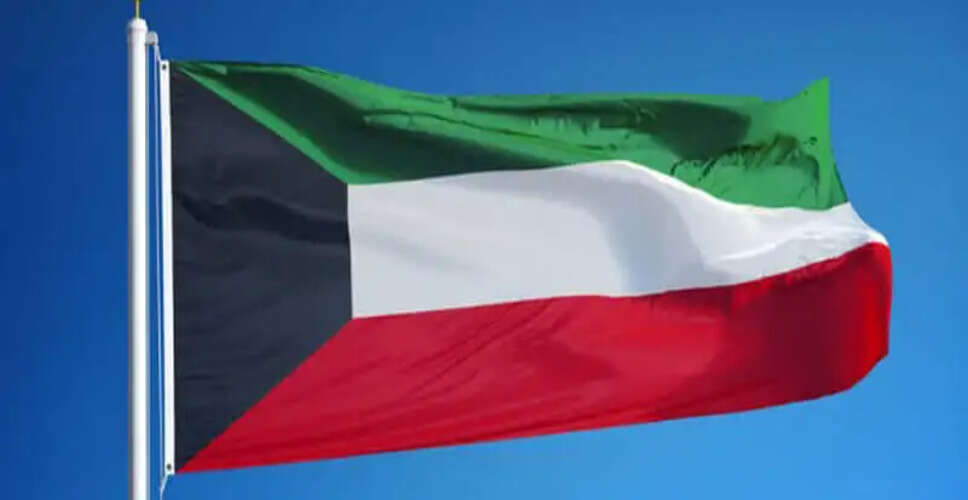
In Dubai, President Donald Trump expressed skepticism regarding the effectiveness of the two-week ceasefire, particularly in light of Iran's ongoing influence over the Strait of Hormuz. Kuwait has accused Iran and its affiliates of conducting drone strikes against its territory on Thursday, despite the ceasefire in place.
The Revolutionary Guard of Iran has refuted these claims, denying any involvement in attacks on neighboring Persian Gulf nations following Kuwait's allegations.
Israeli Prime Minister Benjamin Netanyahu has indicated a willingness to engage in direct discussions with Lebanon, potentially aiding ceasefire efforts. However, as of Friday morning, there has been no response from the Lebanese government.
This development follows a devastating Israeli strike on Beirut that resulted in over 300 fatalities. Negotiations are anticipated to take place next week in Washington, according to sources familiar with the situation.
Uncertainties linger regarding Iran's enriched uranium stockpile, the resumption of normal shipping through the Strait of Hormuz, and Iran's capacity to conduct missile strikes and support regional armed groups.
Discussions between the United States and Iran aimed at resolving the conflict are set to commence on Saturday in Islamabad, with Vice President JD Vance leading the American delegation.
Reports of Explosions in Iran
Throughout the night into Friday morning, residents in Tehran and other regions of Iran reported hearing what appeared to be air defense fire and explosions. However, the Iranian government has not confirmed any attacks during this timeframe.
Similar incidents have occurred in the past following exchanges of fire with Israel, as military tensions remain high.
Japan's Oil Reserve Release
In response to the ongoing conflict in the Middle East, Japan announced it will release an additional 20 days' worth of oil reserves in May, marking a second phase to alleviate supply concerns.
Prime Minister Sanae Takaichi stated that this release will commence in early May, following a previous release last month.
Japan had already begun releasing approximately 50 days' worth of oil reserves in March, sourced from government stockpiles, private sectors, and oil-producing Gulf nations.
As of April 6, Japan's oil reserves totaled 230 days, with 143 days held in government stockpiles, according to the Natural Resources and Energy Agency.
Takaichi emphasized that the government is actively seeking alternative oil import routes that bypass the Strait of Hormuz while diversifying its suppliers.
Pakistan's Visa Policy Ahead of Talks
On Friday, Pakistan announced it would grant visas on arrival for individuals traveling to Islamabad for the Iran-US discussions, highlighting the global media's interest in this significant event.