
Tensions Rise Between Netanyahu and Trump Amid Lebanon Crisis
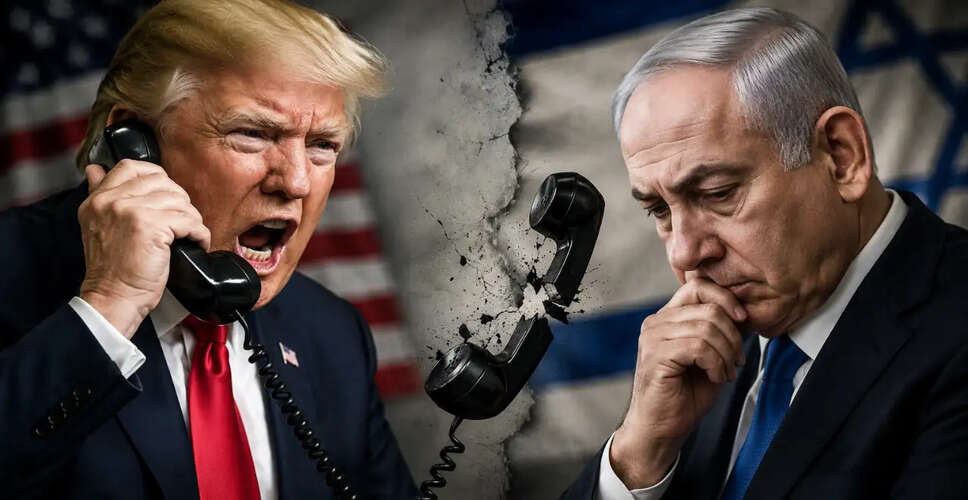

Netanyahu's Strained Relationship with Trump
For nearly twenty years, Benjamin Netanyahu has portrayed himself as the leader capable of effectively managing relations with the United States, particularly with President Donald Trump. However, a recent phone conversation revealed a different reality. According to reports, Trump did not offer support but instead criticized Netanyahu harshly.
The immediate cause of the tension was Israel's threats to target Hezbollah in Beirut, following ongoing ceasefire violations. As Israel escalated its military operations in southern Lebanon, Iran hinted at withdrawing from negotiations with the U.S. regarding Israel's actions.
At the core of their disagreement lies a fundamental difference in objectives. Trump seeks to exit the conflict with Iran, aiming to present a successful diplomatic resolution, while Netanyahu, facing an election deadline, benefits from a state of war to maintain his political relevance.
Trump's frustrations were evident during the call, where he reportedly labeled Netanyahu as 'crazy' and expressed disbelief at his actions. He cautioned that further military actions in Beirut would lead to increased global isolation for Israel and criticized the high civilian casualties resulting from Israeli tactics.
Trump's remarks suggested a shift in power dynamics, with him reminding Netanyahu of the support he provided, implying that without it, Netanyahu could face legal troubles. This conversation marked a significant moment in their relationship, highlighting the transactional nature of their alliance.
Ultimately, Trump intervened to halt the planned strikes on Beirut, indicating a shift in strategy. Despite this, Netanyahu publicly maintained that Israel would respond to Hezbollah's aggression, showcasing the disparity between his public stance and the private concessions made during the call.
Three key factors contribute to this strained relationship: Netanyahu's ongoing legal challenges, Trump's desire for a diplomatic resolution with Iran, and the growing international resentment towards Israel. This situation underscores the complexities of their alliance, with Netanyahu now appearing to rely on U.S. support more than ever.