
Tensions Rise as Strait of Hormuz Remains Closed Amid Ongoing Conflict
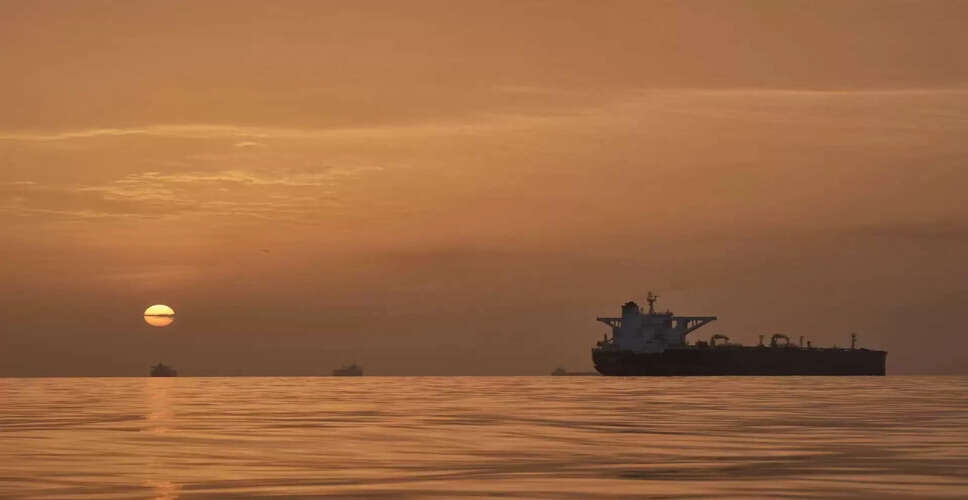

Strait of Hormuz: A Crucial Waterway in Crisis
The closure of the Strait of Hormuz has led to growing concerns regarding the fate of numerous commercial ships trapped in the Persian Gulf. This vital passage connects the Persian Gulf to the Gulf of Oman and is responsible for transporting approximately 20-25% of the world's oil supply. Since the onset of the US-Israel-Iran conflict on February 28, hundreds of vessels have found themselves stranded in this critical region.
Following joint military actions by the US and Israel against Iran, the country effectively blocked the strait, allowing only ships from nations deemed 'friendly' to pass. Despite a temporary announcement from Iran on Friday to reopen the waterway for all commercial traffic, it was swiftly closed again on Saturday in response to the US naval blockade. The Iranian Revolutionary Guard Navy declared that no vessels should attempt to move from their positions in the Persian Gulf or the Sea of Oman, warning that any approach to the strait would be viewed as collaboration with adversaries and could lead to targeted actions.
Reports from MarineTraffic indicate that vessels attempting to navigate the strait have turned back. A maritime data company, Kpler, noted that 19 ships successfully passed through the strait on Friday after the initial reopening announcement. However, the US Central Command reported that 23 ships have been redirected back to Iran since the blockade's initiation, with at least three vessels attacked by Iranian forces on Saturday while trying to cross, causing further disruptions in global shipping and energy markets.
Two merchant ships flying the Indian flag were among those struck by Iranian fire, prompting the Indian government to summon the Iranian ambassador. The British military's United Kingdom Maritime Trade Operations center reported that Revolutionary Guard gunboats fired upon a tanker, and an unidentified projectile damaged a container vessel.
For Iran, the closure of the strait serves as a significant leverage point in its ongoing conflict with the US and Israel, posing a threat to the global economy and exerting political pressure on President Trump. Conversely, the US blockade aims to maintain pressure on Iran, potentially exacerbating its already fragile economy.
The current ceasefire between Iran and the US is set to expire by Wednesday, with no long-term agreement reached. Representatives from both nations are scheduled to convene in Pakistan on Monday, but uncertainty looms over the possibility of a breakthrough, particularly regarding the contentious status of the Strait of Hormuz.