
Tensions Escalate Between US and Iran Amid Ceasefire Violations
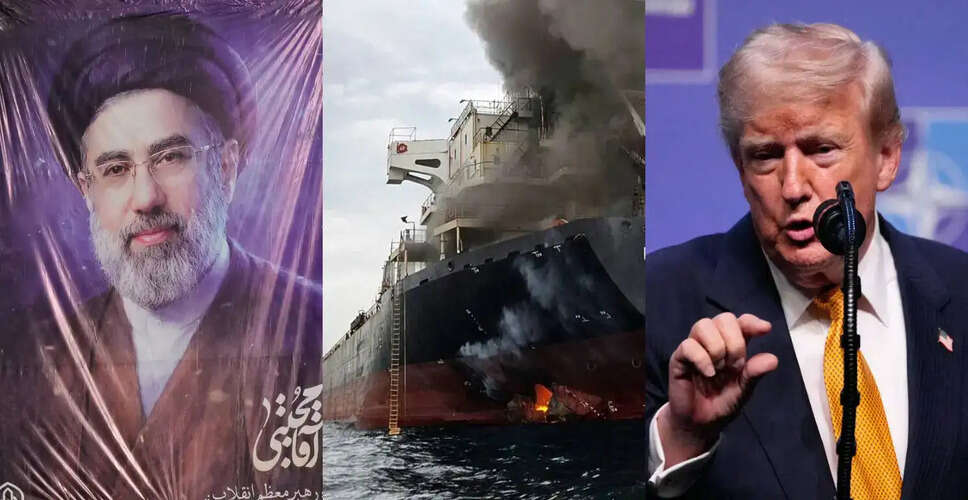

Recent Developments in US-Iran Relations
In a recent turn of events, following Donald Trump's announcement regarding the termination of the Memorandum of Understanding (MoU) aimed at ceasing hostilities between the US and Iran, reports have surfaced indicating that Iranian officials conveyed to US negotiators that Tehran regretted its recent attacks on vessels in the Strait of Hormuz. CBS News has reported that these officials privately informed US advisors that the assaults on ships were orchestrated by hardliners within Iran who sought to derail ongoing negotiations, while the Iranian leadership remains interested in pursuing dialogue.
In light of this situation, the White House is urging Iran to publicly acknowledge its error in breaching the ceasefire. Nevertheless, Trump has instructed his team, which includes Vice President JD Vance, Jared Kushner, Special Envoy Steve Witkoff, and Secretary of State Marco Rubio, to persist with negotiations scheduled to occur today in Oman.
Escalating Military Actions in the Middle East
US-Iran Exchange Fresh Fire in MidEast
Earlier this week, the United States conducted new airstrikes against Iranian targets, prompting Tehran to retaliate by targeting US-aligned nations in the region. This exchange of fire has jeopardized a tentative agreement aimed at concluding the ongoing conflict in the Middle East. The recent attacks have raised alarms, particularly with sirens sounding multiple times in Bahrain, which hosts the US Navy's 5th Fleet, and missiles being directed at Kuwait and Qatar. Sirens were also activated in Jordan, where US troops and aircraft are stationed.
Amid these tensions, an Iranian official accused the US of launching an airstrike near Iran's only nuclear power facility, with additional explosions reported across the country. The situation intensified following Trump's remarks that the Iranian assaults on vessels in the Strait of Hormuz marked the collapse of a fragile ceasefire, raising fears of a broader conflict that could disrupt vital energy shipments through the strait, crucial for the global economy.
Trump's Threats and Iran's Response
Trump Makes Online Threat Toward Iran
In a bold statement on his website, Trump warned that a thousand missiles are prepared and aimed at Iran, with more ready to follow if the Iranian government acts on its threats. This warning came in response to calls for his assassination during Khamenei's funeral, where mourners displayed banners demanding the deaths of both Khamenei and Israeli Prime Minister Benjamin Netanyahu.
Supreme Leader Ayatollah Ali Khamenei was recently laid to rest after being killed in the initial stages of the Iran war. Trump emphasized that the US military would decisively target Iran, invoking religious sentiments in his statements. His rhetoric has drawn criticism from various advocacy groups for its perceived mockery of Islam.
Diplomatic Efforts Amidst Rising Tensions
US Officials Call On Iran to Issue Strait Statement
US officials, speaking anonymously, indicated that the recent resurgence of strikes was attributed to a rogue faction of Iranian hardliners attempting to sabotage the ceasefire. Despite this, Iran maintains that its leadership is unified under the new Supreme Leader, Ayatollah Mojtaba Khamenei. Trump has reportedly given US negotiators a limited timeframe to secure a deal with Iran, while also highlighting the various options available should negotiations falter.
In a related development, Tehran's diplomat at the United Nations stated that any actions in the Strait of Hormuz, including its opening or demining, are solely under Iran's jurisdiction. Meanwhile, Qatari mediators have traveled to Iran for discussions with officials, as confirmed by Iranian Foreign Ministry spokesperson Esmail Baghaei.