
Temporary Ceasefire in the Middle East Sparks Travel Chaos
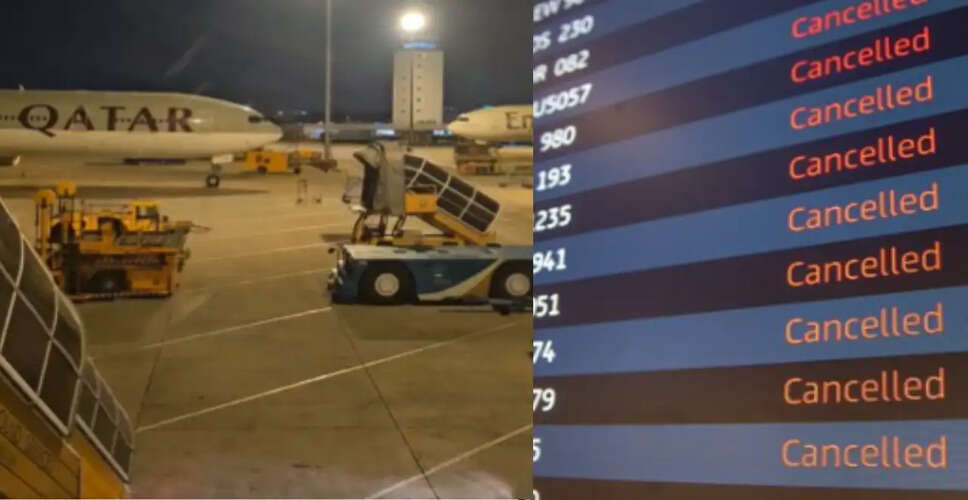
Ceasefire Leads to Airspace Reopening
A five-day ceasefire initiated by the United States has resulted in a partial reopening of airspace in the Middle East, providing a brief respite after weeks of conflict-induced closures. However, this reopening has led to significant travel disruptions at major hubs such as the UAE, Qatar, and Egypt, with many individuals rushing to exit the area.
The aviation crisis escalated following US-Israel military actions against Iran on February 28, which prompted retaliatory missile and drone strikes throughout the region. This series of events forced several nations, including the UAE and Qatar, to close their airspace, leaving countless passengers stranded globally. With the ceasefire now in effect, airspace is gradually reopening, allowing for limited flight operations to resume.
The announcement of this ceasefire has been met with mixed feelings, ranging from relief to skepticism. The Trump administration has confirmed a temporary halt on planned strikes aimed at Iranian energy facilities to facilitate 'productive discussions,' yet officials have emphasized that this should not be interpreted as a genuine de-escalation of tensions.
The US State Department has clarified that this reopening should be viewed as a controlled opportunity rather than a cessation of hostilities. As a result, there has been a frantic rush of passengers attempting to leave conflict-affected areas:
- Airports in Dubai, Abu Dhabi, and Doha are experiencing long lines and overcrowding.
- Thousands of travelers, including tourists and expatriates, are competing for the limited available seats.
- Governments are working swiftly to evacuate their citizens amidst the prevailing uncertainty.
In the meantime, President Trump has suggested that a potential agreement with Iran might be on the horizon, despite the ongoing uncertainty regarding Tehran's leadership and the status of negotiations. Following his announcement of a temporary military pause, Trump remarked that there are 'significant points of agreement' between Washington and Tehran, indicating that both parties are eager to reach a deal. He mentioned that further discussions could occur soon, possibly even by phone, and expressed optimism about an in-person meeting in the near future.
In a vague comment hinting at the implications of the negotiations, Trump stated, 'When this is all over, I will tell you who is getting all the money,' without providing further details.