
Tea Garden Workers in Assam Voice Concerns Ahead of State Elections
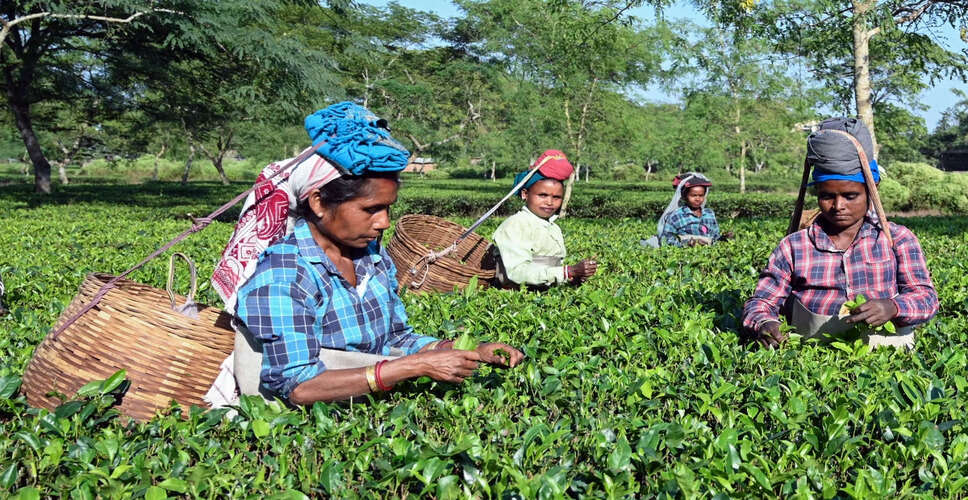
Impact of Tea Garden Workers on Upcoming Elections
In Assam, tea garden laborers, one of the largest and most influential voter groups, are poised to significantly influence the outcomes of the upcoming state assembly elections. This is largely due to the pressing livelihood issues that have emerged in the tea-producing regions of Upper Assam. According to a report, workers in the tea estates around Dibrugarh have expressed that their primary concerns revolve around wages, rising costs of living, and inadequate basic amenities. Many workers have stated that managing household expenses on a daily wage of approximately 250 rupees has become increasingly challenging amid soaring inflation.
Challenges Faced by Tea Garden Workers
Dipanjali Manki, a tea garden worker, shared her struggles, stating that they work under harsh conditions, facing both sun and rain. The presence of potholes and slippery ground in the gardens complicates their work. She emphasized that the daily wage of 250 rupees is insufficient for sustaining a family, especially with rising prices. Aarti, another worker with over a decade of experience in plucking tea leaves, echoed these sentiments, noting that wages have not kept pace with inflation. She mentioned that despite working in the tea gardens for 13 years, her pay remains stagnant at 250 rupees, which is inadequate for family support. Additionally, she highlighted the daily challenge of walking nearly two kilometers on poor roads to reach work.
Women's Concerns in the Tea Industry
Women working in the tea gardens, who form a crucial part of the workforce, have also raised concerns regarding their workload and access to basic facilities. They pointed out that long working hours, limited healthcare, and increasing household expenses continue to pose significant challenges. Danish Khadia, a supervisor at a tea estate, noted that workers are struggling with rising costs. He mentioned that the expenses related to children's education are increasing every year. Many workers have yet to receive land leases, and the availability of essential services like rations varies across different tea estates. He further added that the prolonged working conditions often lead to health issues among women.
Community Leaders Address Wage Issues
Acharya Sahu, president of the Assam Chah Janjati Students' Union, stated that wage-related concerns remain a top priority for the community. He highlighted that workers earn only 250 rupees daily, and while there have been discussions about minor wage increases, inflation continues to rise. He stressed the need for a substantial increase in wages and also pointed out issues such as the lack of toilets in tea gardens, poor road connectivity, and the absence of basic safety equipment like raincoats and boots.