
Tea Garden Workers Criticize Wage Increase in Assam
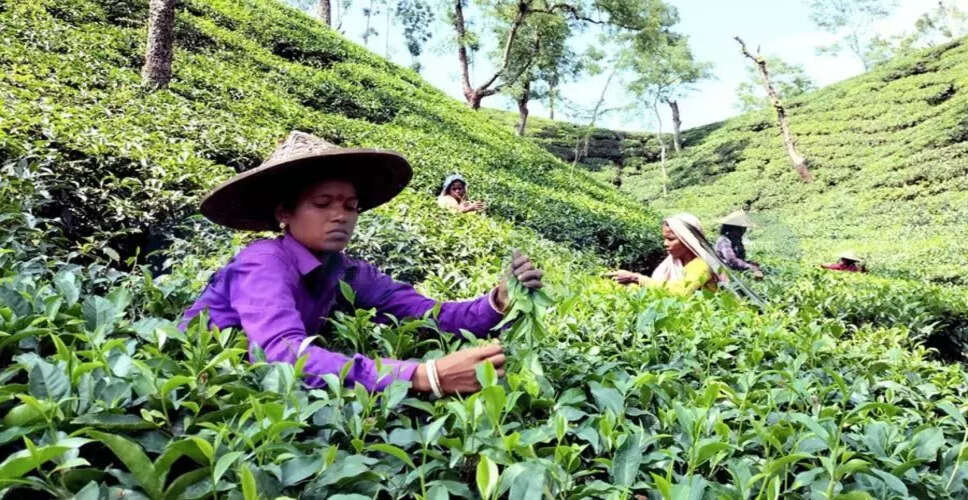
Wage Hike Announcement Sparks Outrage
DIBRUGARH, Mar 1: The recent decision by the State government to raise the daily wages of tea garden workers by Rs 30 has faced significant backlash from various tea garden organizations, including the All Adivasi Students' Association of Assam (AASAA) and the Adivasi Youth-Students' Association of Assam (AYSAA).
On Thursday, Chief Minister Himanta Biswa Sarma announced that the new wages would be Rs 280 in the Brahmaputra valley and Rs 258 in the Barak valley, as a temporary measure following a State Cabinet meeting. He mentioned that a tripartite discussion involving the State government, tea garden labor unions, and owners had taken place earlier that day regarding the wage increase.
Despite this announcement, the new wage still falls short of the Rs 351 figure that was a key promise made by the BJP during the 2016 Assembly elections.
In response, the organizations expressed that the increase does not meet the necessary minimum wage standards. AASAA president Rejan Horo emphasized the need for a daily wage of Rs 551, considering the current living costs.
"The government's claim that the final wage structure will comply with new labor codes once implemented is misleading and empty. Workers cannot rely on future promises while struggling to meet their daily needs," Horo stated.
He argued that any wage below Rs 551 in today's inflationary climate is "unjust, exploitative, and inhumane." Horo also pointed out that the previous promise of Rs 351 does not sufficiently address the economic challenges faced by tea garden workers. He believes that low wages are a significant factor contributing to the ongoing social, educational, economic, and political disadvantages of tea garden communities.
"The exploitation of tea plantation workers cannot persist under the pretense of temporary measures and false promises. Fair wages, dignity, and constitutional rights are fundamental entitlements, not acts of charity," he added, announcing that AASAA would escalate its protests until their demands are fulfilled.
Similarly, AYSAA condemned the State government's decision, labeling it anti-worker and unjust. The organization argued that the slight increase does not reflect the realities on the ground, especially in light of rising inflation and economic struggles.
AYSAA president Nipen Munda stated that tea garden workers in Assam deserve a minimum daily wage of at least Rs 500. "This wage revision contradicts the spirit and intent of the law," he remarked.
Munda characterized the wage increase as an affront and an insult to the tea worker community, which is considered the backbone of Assam's economy. He urged the State government to promptly reassess and adjust the wage structure to ensure a minimum daily wage of no less than Rs 500. He warned that if this demand is not met, the organization would initiate a democratic movement throughout the State.